Returning to physical activity after first metatarsophalangeal arthrodesis
It may take less time than you think
5:00 AM
Author |
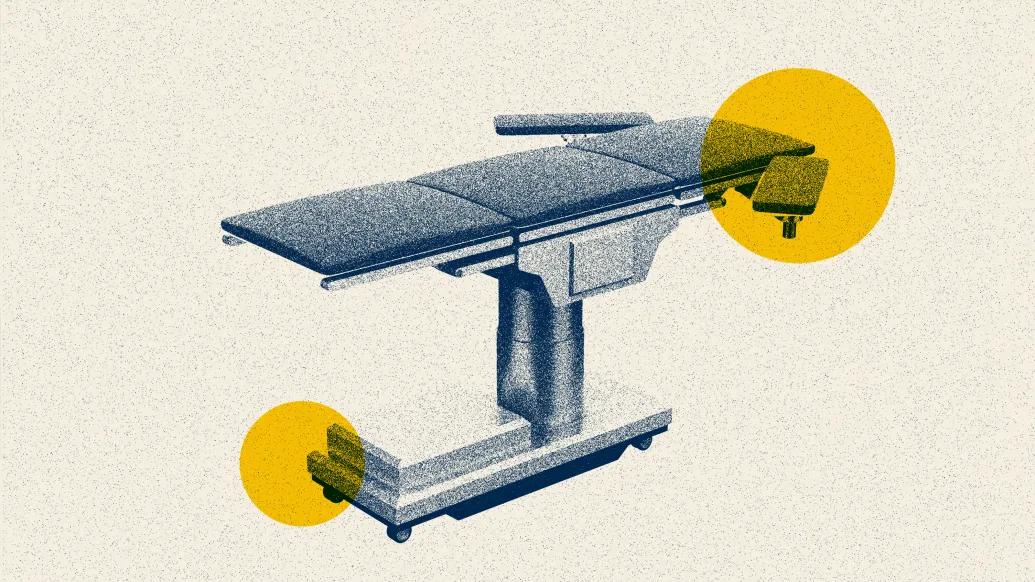
First metatarsophalangeal arthrodesis procedures are a common surgical intervention used to treat pain associated at the first metatarsophalangeal joint associated with degenerative changes.
The treatment involves fusing the joint of the big toe to correct the effects of arthritis and prevent any further deformation of the joint.
KC Walley, M.D., an orthopaedic surgeon at University of Michigan Health, found that many patients who are about to undergo this procedure are concerned about how this treatment will impact their ability to continue their desired physical activities due to the fusion of the big toe joints.
After hearing the concerns of patients, Walley and his team began a review of standing research on how long it took for patients to return to their desired physical activities after first metatarsophalangeal arthrodesis to find an average time frame that could be given to patients.
The review looked at 249 studies on the topic that looked at patients above the age of 58 who received metatarsophalangeal arthrodesis procedures as well as how long it took for these patients to return to their desired physical activity.
“With the average age of the study being around 60 years old, most patients were able to return to their desired physical activity within 12 weeks of their procedure,” said Walley.
Some of the physical activities that were followed in the studies included yoga, golf, hiking, tennis, biking and pickleball.
The available literature on the topic did not encompass all sports or activities, such as surfing, skateboarding, or fencing but patients and providers are encouraged to use this review paper as a guide to help with a frame of reference for return to sport for their respective sports.
“While this study didn’t include all possible physical activities, it included a wide enough range that physicians can now give a good estimate for patients on how long it may take them to return to their desired activity,” Walley said.
“Overall, the majority of patients that undergo this procedure have success with realigning the big toe and are able to return to their normal lives fairly quickly.”
Additional authors include Anthony N. Baumann, DPT, James R. Holmes, M.D., David M. Walton, M.D., and Paul G. Talusan, M.D. from the University of Michigan Department of Orthopaedic Surgery; Northeast Ohio Medical University, Rootstown, OH. Nazanin Kermanshahi, B.S., from the College of Osteopathic Medicine, Midwestern University, Glendale, AZ. Albert T. Anastasio, M.D, from the Department of Orthopaedics, Duke University, Durham, NC.
Paper cited: “Return to Sport After First Metatarsophalangeal Arthrodesis: A Systematic Review,” Foot & Ankle International. DOI: 10.1177/10711007231198817
Sign up for Health Lab newsletters today. Get medical tips from top experts and learn about new scientific discoveries every week by subscribing to Health Lab’s two newsletters, Health & Wellness and Research & Innovation.
Sign up for the Health Lab Podcast: Add us on Spotify, Apple Podcasts or wherever you get you listen to your favorite shows.

Health Lab
Explore a variety of health care news & stories by visiting the Health Lab home page for more articles.
Media Contact

Public Relations
Department of Communication at Michigan Medicine
Stay Informed
Want top health & research news weekly? Sign up for Health Lab’s newsletters today!
Featured News & Stories
Study explains how colorectal cancer cells maintain high iron levels

Vascular STING activation facilitates natural killer cell anti-tumor immunity in small cell lung cancer

The Y chromosome is home to surprising jumping genes
Nanoparticles genetically modify several human cell types
Study sheds light on how early pancreas lesions become cancerous