Recovering from Open-Heart Surgery: 6 Things to Expect
A Michigan Medicine expert shares knowledge and tips for patients to take greater control of the healing process.
7:00 AM
Author |
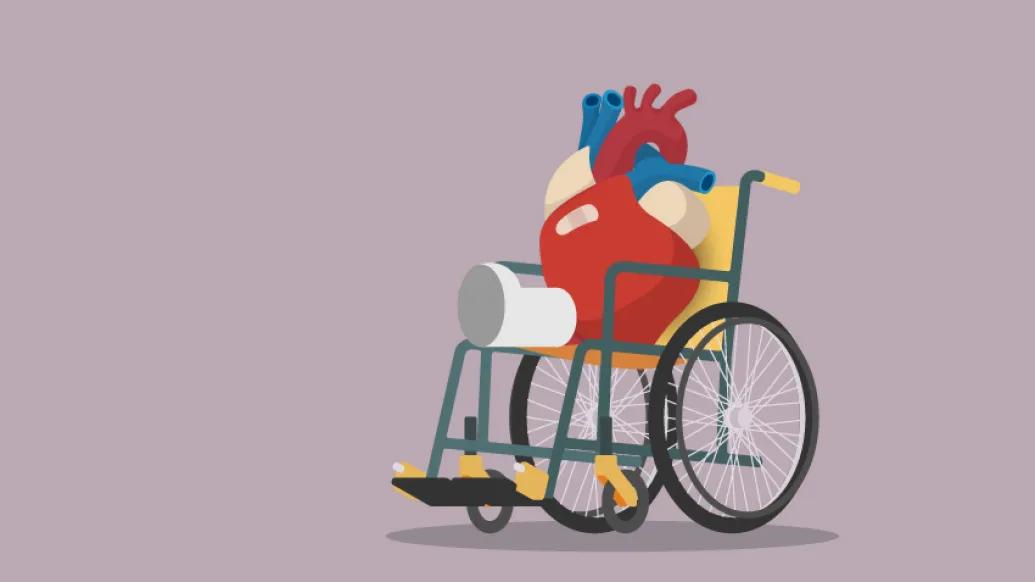
Open-heart surgery requires not only pre-surgical preparation, but also important post-surgical care.
LISTEN UP: Add the new Michigan Medicine News Break to your Alexa-enabled device, or subscribe to our daily audio updates on iTunes, Google Play and Stitcher.
That's why a critical part of my role as clinical care coordinator in Adult Cardiac Surgery at Michigan Medicine is to educate patients and families about what to expect in the days and months ahead.
No two patient experiences will be the same, but there is general information you should be aware of when recovering from this surgery.
Here are six important things to know:
Your eating habits may change
You may notice that you've lost your appetite or you just feel too tired to eat. This is common, so be patient. Your appetite will soon be back to normal.
We suggest you try eating frequent, small meals throughout the day. You need proper nutrition to enable your body to heal and get stronger.
We recommend a diet low in fat, cholesterol and sodium and high in protein. Good sources of protein include fish, eggs, dairy, beans and nuts. Limit the amount of salt in your diet to 2,000 milligrams a day. Foods known to be high in salt include restaurant food, soups, pizza, bacon and other processed meats.
You may experience sleep issues
Many people complain of having trouble sleeping for some time after heart surgery. You may experience insomnia (an inability to sleep) because of:
-
Effects of anesthesia
-
Discomfort related to healing
-
Changes in your daily routine
-
Stress from personal concerns
Normal sleeping patterns typically return in two to three weeks. Until then, try these tips:
-
Take enough rest breaks in between your normal daily activities — but avoid a daytime nap longer than 20 minutes.
-
If you have pain, take your pain medication about 30 minutes before bedtime.
-
Arrange the pillows so you can maintain a comfortable position and decrease muscle strain.
-
If you feel anxious or nervous, talk to your spouse, partner or a trusted friend. Get your troubles off your mind.
-
Avoid caffeine (such as chocolate, coffee, tea and colas) in the evenings.
-
Listen to relaxing music or a guided imagery audio program.
-
Ask your partner to give you a back rub.
-
Take a relaxing shower.
-
Follow a bedtime routine to let your body know it's time to relax and get to sleep.
-
It's OK to sleep on your back, side or stomach. You will not hurt your incisions.
You'll play a key role in managing your pain
Post-surgical pain is unavoidable but can be managed in a variety of ways. Because of recent national legislation changes, physicians can prescribe no more than a seven-day supply of opioids to patients at the time of their hospital discharge.
SEE ALSO: Want a Better Surgical Outcome? 'Train' Like an Athlete
Weaning yourself off opioids as soon as possible is important. You may need less than a seven-day supply, depending on your condition. Some patients do not require any opioids for pain management.
Other options for pain management include:
-
Oral and topical analgesics such as acetaminophen (Tylenol) and Salonpas patches (ointments or creams should not be applied on or around incisions)
-
Applying a warm cloth to the area, using caution near the incision because nerve sensitivity may be decreased, causing the skin to burn
-
Relaxation techniques such as meditation and guided imagery
If you are on long-term opioids, you should meet with your prescribing physician to begin to wean down to the lowest dose possible before surgery.
You may feel like you're on an emotional roller coaster
Recovering from open-heart surgery involves physical and emotional healing. The recovery process uses emotional and physical energy.
If you feel upset or emotional in the weeks after your operation, don't worry — this is a normal reaction. Many patients report these feelings up to three months after the operation:
-
Mood swings that may include depression, fear, anxiety, loneliness, helplessness and anger
-
Crying easily for no apparent reason
-
Lack of energy or motivation
-
Getting easily frustrated
-
Inability to concentrate
-
Having good days and bad days
-
Feeling more emotional or sentimental than normal
Even though you may feel drained physically and emotionally, it's important to follow guidelines for good self-care:
-
Get dressed every day
-
Walk daily within your limits
-
Get plenty of rest
-
Resume hobbies and social activities you enjoy
-
Visit with others
-
Join a support group
It's also important to have a support system in place that can help with your daily physical and emotional needs. Discussing your fears, frustrations, pain, concerns and successes with someone is a critical part of the healing process.
Most surgery-related sensations are normal
It's not uncommon during the first few months after surgery to experience numbness, tingling or even hypersensitivity around the chest incision.
Some patients may experience this only when wearing tight or constrictive clothing.
SEE ALSO: Pneumonia After Open-Heart Surgery: How to Reduce the Risk
These sensations are related to the normal healing process of the small nerves that were severed during the surgery. As these nerves regenerate, they become hypersensitive and cause these symptoms.
The same theory can be applied to your lower legs if veins were harvested for a bypass procedure. Because there is a loss of a large vein in the lower leg, you may also notice swelling in this area.
This may take quite a bit of time to resolve; it's often treated conservatively by intermittently raising the affected leg a few times a day or wearing a type of compression stocking called thrombo-embolic deterrent (TED) hose.
Still, it is critical to note that not all post-surgery chest sensations are normal. If you experience any exertion-related chest pain or pressure, consult your physician immediately.
Driving after surgery varies by individual
Patients can often resume driving about four weeks after surgery. Many variables are involved in this equation, and each case is an individual decision between you and your surgeon.
We commonly tell patients that if they can sit in their car and easily turn the wheel to the left and right and use the gas and brake pedals without hesitation after four weeks of recovery time, they are probably ready to drive.

Health Lab
Explore thousands of health news & research stories by visiting the Health Lab homepage for more.
Media Contact

Public Relations
Department of Communication at Michigan Medicine
Stay Informed
Want top health & research news weekly? Sign up for Health Lab’s newsletters today!
Featured News & Stories
Many hospitals still don’t do enough to prevent UTIs from catheters
Reducing infections after heart surgery could save Medicare $441 million per year
Young father survives aortic dissection after delayed diagnosis
Weighing TAVR vs. SAVR for aortic stenosis treatment
C.S. Mott Children’s Hospital first in country to implant expandable heart valve during FDA review phase