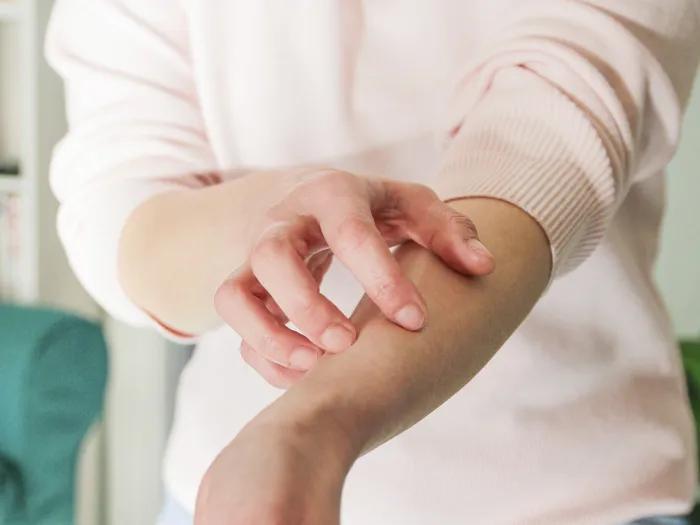
Protein found in rheumatic diseases causes inflammation in COVID-19 patients
Data suggests the inflammatory mediator sCD13 may play a significant role in severe complications of COVID-19
11:21 AM
Author |
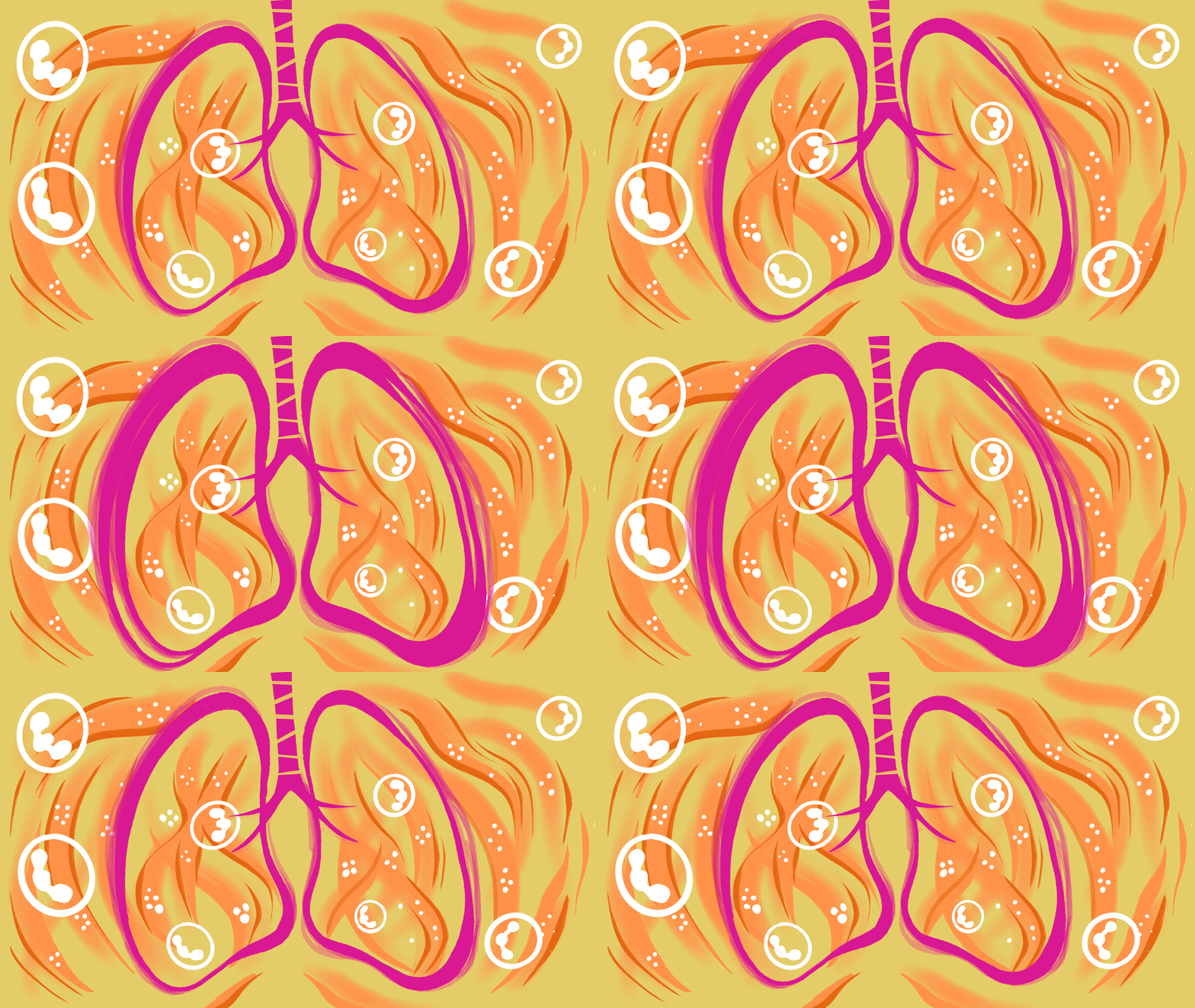
The sCD13 protein has been previously identified by a rheumatology research team at the University of Michigan as a powerful inducer of inflammation in multiple autoimmune disorders, such as rheumatoid arthritis and systemic sclerosis.
High levels of the sCD13 protein are also now being seen in blood and lung tissues of COVID-19 patients.
Researchers from University of Michigan Health in collaboration with external institutions such as the NIH and Weill Cornell Medical School have been able to identify this protein as a prominent cause of inflammation in the SARS-CoV-2 infection, more commonly known as COVID-19, using data sets from three separate cohorts of COVID-19 patients.
Formation of the sCD13 protein occurs by shedding of CD13 from the surface of certain types of cells, through a process that occurs in autoimmune disorders and as the body attempts to fight off the COVID-19 virus.
When this response is excessive it is termed hyperinflammatory and can exacerbate the severity of the disease.
The inflammatory response of increased amounts of sCD13 in COVID-19 patients is normally located in the lungs, where the virus levels are highest.
Complications include respiratory failure requiring supplemental oxygen and mechanical ventilation.
Additional complications include the formation of blood clots within small arteries of the lung.
These clots obstruct the flow of blood through the lung.
In some diseases formation of blood clots can be caused by NETs, neutrophil extracellular traps, which are sticky webs that are extruded by the neutrophil, a type of white blood cell.
In their research on sCD13 in COVID-19, the U-M Health researchers showed that sCD13 caused NET formation, following binding of sCD13 to two types of receptors on the surface of the neutrophil.
“In severe cases of COVID-19, this inflammation in the lungs can lead to acute respiratory distress syndrome, which causes difficulty breathing and can result in significant respiratory failure,” said Eliza Tsou, Ph.D., assistant professor of internal medicine at University of Michigan Health.
“When determining the severity of a COVID-19 infection, especially in patients that are experiencing extreme respiratory symptoms due to the virus, physicians can assess the level of sCD13 proteins as in indicator of the severity of the hyperinflammatory response within the patient.”
Tsou notes that evidence of the sCD13 protein impacting inflammation in COVID-19 also opens new avenues for treatment of the virus.
“The sCD13 protein and its receptors have emerged as new targets for treatment in pre-clinical trials for conditions such as rheumatoid arthritis and systemic sclerosis with success in animal models of these diseases,” said Tsou.
“As these treatment methods move into their clinical trials, it is important for researchers and providers to note that targeting the sCD13 protein also has a potential future role in the treatment of severe COVID-19 cases.”
Additional authors: Ramadan A. Ali, Gautam Sule, Yuzo Ikari, Qi Wu, Philip Campbell, Mikel Guerra-Rubio, Kohei Maeda, William D. Brodie, Megan N. Mattichak, Caroline Foster, Ajay Tambralli, Srilakshmi Yalavarthi, M. Asif Amin, Katarina Kmetova, Bruna Mazetto Fonseca, Emily Chong, Yu Zuo, Jason S. Knight, and David A. Fox from the Division of Rheumatology, Department of Internal Medicine and Clinical Auto, University of Michigan, Ann Arbor, United States of America. Chenyang Lu from the Division of Rheumatology, Department of Internal Medicine, The Third Affiliated Hospital, Sun Yat-Sen University, Guangzhou, China. Carmelo Carmona-Rivera and Mariana J. Kaplan from the Systemic Autoimmunity Branch, National Institute of Arthritis and Musculosk, NIH, Bethesda, United States of America. Serena Lucotti, Irina Matei, and David C. Lyden from the Department of Pediatrics, Weill Cornell Medical College, New York, United States of America. Sharon E. Fox from the Department of Pathology, Louisiana State University, Health Sciences Center, New Orleans, United States of America. Michael Maile from the Department of Anesthesiology, University of Michigan, Ann Arbor, United States of America. Luisa Imberti, Arnaldo Caruso, and Francesca Caccuri from the Section of Microbiology, University of Brescia, Brescia, Italy. Virginia Quaresima and Alessandra Sottini from the Clinical Chemistry Laboratory, ASST Spedali Civil of Brescia, Brescia, Italy. Douglas B. Kuhns and Daniel L. Fink from the Leidos Biomedical Research, Inc., Frederick National Laboratory for Cancer Research, Frederick, United States of America. Riccardo Castagnoli, Ottavia Delmonte, Heather Kenney, Yu Zhang, Mary Magliocco, Helen C. Su, and Luigi D. Notarangelo from the Division of Intermural Research, National Institute of Allergy and Infectio, NIH, Bethesda, United States of America. Rachel L. Zemans from the Division of Pulmonary, Department of Internal Medicine; Program in Cellular, University of Michigan, Ann Arbor, United States of America. Yang Mao-Draayer from the Multiple Sclerosis Center of Excellence, Arthritis and Clinical Immunology, Oklahoma Medical Research Foundation, Oklahoma City, United States of America. Mirella Salvatore from the Joan and Sanford I. Weill Department of Medicine and Department of Populati, Weill Cornell Medical College, New York, United States of America. Yogendra Kanthi from the Division of Intramural Research, National Heart, Lung and Blood Institute, NIH, Bethesda, United States of America.
Funding/disclosures: The National Institute of Health and the Department of Defense
Michigan Research Core(s): The Rogel Cancer Center Tissue and Molecular Pathology (TMP) Shared Resource (SR); The Flow Cytometry Core
Paper cited: “Soluble CD13 is a potential mediator of neutrophil-induced thrombogenic inflammation in SARS-CoV-2 infection”, JCI Insight. DOI: 10.1172/jci.insight.184975
Sign up for Health Lab newsletters today. Get medical tips from top experts and learn about new scientific discoveries every week.
Sign up for the Health Lab Podcast. Add us wherever you listen to your favorite shows.

Health Lab
Explore thousands of health news & research stories by visiting the Health Lab homepage for more.
Media Contact

Public Relations
Department of Communication at Michigan Medicine
In This Story

Eliza PS Tsou, PhD
Assistant Professor
Stay Informed
Want top health & research news weekly? Sign up for Health Lab’s newsletters today!
Featured News & Stories
U-M-led consortium to receive up to $52 million in NIH funding to study why viral respiratory infections affect children differently
Comprehensive DNA sequencing reveals hidden drivers of cancer
‘Molecular glue’ stabilizes protein that inhibits development of non-small cell lung cancer and uterine cancer

Many older adults make Medicare decisions quickly and most don’t change plans, poll finds
What’s the latest on 7-OH and kratom availability and addiction care?