Pistons ball boy 13 years seizure-free after brain surgery
A tuberous sclerosis diagnosis kept Glenn Ratledge from even attending school; now he works with professional athletes
10:45 AM
Author |
As a ball boy for the Detroit Pistons, Glenn Ratledge spends many late evenings setting up the court at Little Caesars Arena, warming up with the players and assisting them with any equipment needs during their games.
One thing that doesn’t keep him up at night: worrying when his next seizure will happen.
It’s a drastic change from the 22-year-old’s early childhood when at least once a month he spent time in University of Michigan Health C.S. Mott Children’s Hospital’s pediatric intensive care unit due to frequent seizures caused by tuberous sclerosis.
Being the ball boy for his favorite basketball team today is the result of a partial brain resection at age nine after near fatal experiences from nonstop seizures.
“We are all so grateful for this procedure giving us some normalcy back,” said Glenn’s mother, Lisa Ratledge.
“I am so proud of the man Glenn has become today, and it has been amazing watching him be able to grow seizure free.”
Making a difficult decision
At around 14 and a half months old, Lisa Ratledge found Glenn having a seizure in his crib.
Lisa Ratledge called 911 and Glenn was taken by U-M Health Survival Flight to Mott.
These seizures became a regular occurrence for the family with frequent Survival Flight trips to Mott and intensive care unit stays averaging a few days each time.
The seizures were so intense that there had been a couple of times where I felt like I was watching him pass before my eyes,” -Lisa Ratledge
“I had a hospital bag packed at all times so I could be ready to pick up and go at any moment,” Lisa Ratledge recalled.
“The seizures seemed to be triggered by intense emotions or stress. For a child, intense emotions happen all the time, so this meant we were always on alert and ready for a seizure to happen.”
Glenn Ratledge’s care team went through a series of anti-seizure medications over the course of the next nine years.
Some of the medications would help, but only for a short period of time. Others seemed to do nothing at all.
During childhood, cell masses called tubers became visible on his brain through MRI scans and were determined to be the root cause of his seizures.
The seizures became worse and more frequent over time.
He missed school, couldn’t participate in extracurricular activities and spent much of his time in the pediatric intensive care unit.
“The seizures were so intense that there had been a couple of times where I felt like I was watching him pass before my eyes,” said Lisa Ratledge.
“It was scary to watch, and I just kept thinking that we can’t keep living like this. He deserves to be a kid.”
When Glenn Ratledge was nine, his care team suggested performing a surgical procedure that would remove the part of his brain that was causing the seizures, but the operation would come with risk.
“The biggest risk from the procedure was damaging his sight, the surgeons believed that he would most likely lose his peripheral vision,” said Lisa Ratledge.
“I knew that it was either say yes to this procedure and trust that the best outcome would happen or keep on living this way and he would most likely pass from his seizures. Saying yes to the surgery and giving him a second chance was the clear option for me.”
Brain surgery
To ensure the success of the procedure, Glenn Ratledge’s care team ran numerous tests on his brain to locate the specific tubers that were sparking seizure activity.
He underwent a surgical procedure to place a detection grid on the surface of his brain to track seizure activity and mark where the seizures started.
Glenn also required a Wada test, in/during which a catheter was placed selectively into the arteries of his brain to put half of the brain to sleep and only examine activity and function on the other half.
These tests ran for about two weeks before the procedure.
Glenn Ratledge specifically recalls the Wada test as the most challenging.
“I was awake the whole time and it felt like it took forever. I just remember thinking that I couldn’t wait for it to be over,” he recalled.
Despite the challenges, the surgical team was able to successfully pinpoint that his seizures originated from tubers in the back of his brain.
Since Glenn Ratledge had his procedure, epilepsy care has changed significantly, according to Hugh J. L. Garton, M.D. MHSc, a Mott pediatric neurosurgeon and professor of neurosurgery who performed his surgery.
“When Glenn had the grid placed on his brain, we had to conduct an open craniotomy to place it. Even if we hadn’t found the source of his epilepsy, we would have needed to have a second procedure to take the grid out,” Garton said.
“Today, because of rapid changes in the field, we can accomplish the same monitoring much less invasively,” he said, explaining they can pass electrodes directly into the substance of the brain using a surgeon-guided robotic system.
“This allows us to work through very small openings and reduces the risk of bleeding, infection and other complications that come with surgical procedures. This is just one example of the ways that epilepsy care has improved over the past decade.”
The day of his last surgery in 2010, Lisa Ratledge put her son in the care of Garton and his team.
Garton began the procedure by removing the tracking grid that had been placed on Glenn Ratledge’s brain, marking the location of the seizure activity, and began the process of removing those sections.
During the procedure, Garton continued to monitor the electrical activity of the brain to ensure that the area with seizure activity had been fully removed.
“While he wasn’t actively seizing, we could see the electrical irritability of the brain that could lead to seizures, which prompted us to keep going,” Garton said.
She had to take a risk in making sure that Glenn received this care and make some tough decisions when it came to this procedure. This requires a great deal of love and bravery that we as surgeons are aware is a lot to ask of a parent.” - Hugh J. L. Garton, M.D., MHSc
“At the conclusion of the procedure we could see that irritability had resolved. We could see things were much better, but we wouldn’t know the extent of this success for several months or even years, hoping he would stop seizing. And we worried in the short term about surgery hurting his vision.”
Around 11 p.m. that night, Garton was able to meet Lisa Ratledge and tell her that Glenn was recovering well and that he was optimistic about seizure control.
“The resilience that Lisa Ratledge showed during this process was remarkable,”Garton said.
“She had to take a risk in making sure that Glenn received this care and make some tough decisions when it came to this procedure. This requires a great deal of love and bravery that we as surgeons are aware is a lot to ask of a parent.”
Post-surgery
Glenn Ratledge stayed at Mott recovering for the next month.
He was confined to his bed, so friends and family brought over activities to keep him occupied.
The Ratledge family also found comfort in the Mott Child and Family Life team coming to the rooms with activities.
“The child life team came by consistently and had so many activities for him to do,” Lisa Ratledge said.
“It would brighten both of our days whenever they came around.”
As he progressed in his recovery, Glenn Ratledge showed no signs of memory loss or paralysis, and his peripheral vision stayed intact.
“The area of the brain that we removed was in line with where his peripheral vision was located, this is why we thought he would probably lose some peripheral vision,” said Garton.
“However, the tubers had likely displaced the nerve fibers for his vision which kept them out of harm’s way during the procedure. The pathway was distorted enough that he was able to keep his peripheral vision intact. It was a delightful surprise to all of us.”
After leaving the hospital , Glenn Ratledge’s care team still experimented with different medications to keep his seizures from coming back.
Since the day of his surgery 13 years ago, he hasn’t had a single seizure.
Working with the Pistons
Around age 15, Glenn Ratledge made a wish through the Make-A-Wish Foundation to have a Pistons themed bedroom.
When the team got word of his wish, they invited him to be a Piston for a day in addition to the room makeover.
As a Piston, Glenn Ratledge was able to connect not only with players on the team but their staff as well.
He specifically kept in touch with the Pistons equipment manager.
At 20 years old, Glenn Ratledge received a call from that equipment manager asking if he would like to come work as their ball boy.
Both Glenn and Lisa Ratledge were ecstatic. He started right away.
It’s an opportunity he knows wouldn’t have been possible without his surgery or if he’d had another outcome.
“This isn’t a job you can have if you don’t have peripheral vision,” Glenn Ratledge said.
“I need to be able to see all around me when I am practicing with players to make sure I don’t get hit with any balls. If the procedure had taken away my peripheral vision like we thought it would, I would have had to turn this position down.”
Garton isn’t surprised that Glenn Ratledge has landed himself this position.
“Glenn has always been dedicated and outgoing; this position seems perfect for him,” Garton said.
“As the surgeon, it is heartwarming to see him accomplish his goals as a healthy young man.”
Not only has Glenn Ratledge inspired Garton and his mom, but his older sister Lyndsey Ratledge as well, who is an emergency department nurse.
Today, Glenn Ratledge is living seizure free and has what he describes as the “best job” working for the Pistons.
He’s also able to play baseball in the summer, bowl and act as the hype man at his high school’s sporting events.
“I love sports, and I’m thankful I can participate in them now and get to be involved with them as a career,” he said.
“While the surgery was difficult, it was worth being able to live my life the way I am now.”
Sign up for Health Lab newsletters today. Get medical tips from top experts and learn about new scientific discoveries every week by subscribing to Health Lab’s two newsletters, Health & Wellness and Research & Innovation.
Sign up for the Health Lab Podcast: Add us on Spotify, Apple Podcasts or wherever you get you listen to your favorite shows.

Health Lab
Explore a variety of health care news & stories by visiting the Health Lab home page for more articles.
Media Contact

Public Relations
Department of Communication at Michigan Medicine
In This Story
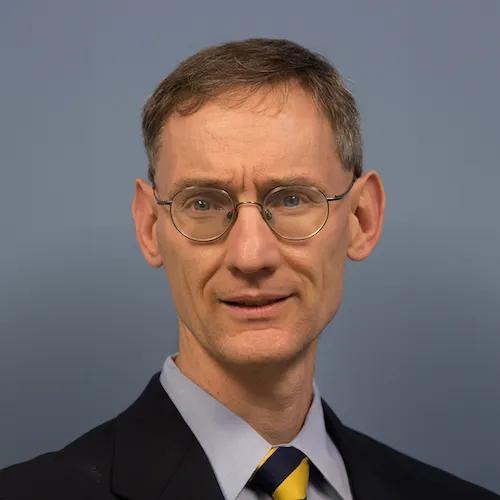
Hugh JL Garton, MD, MHSc
Professor
Stay Informed
Want top health & research news weekly? Sign up for Health Lab’s newsletters today!
Featured News & Stories
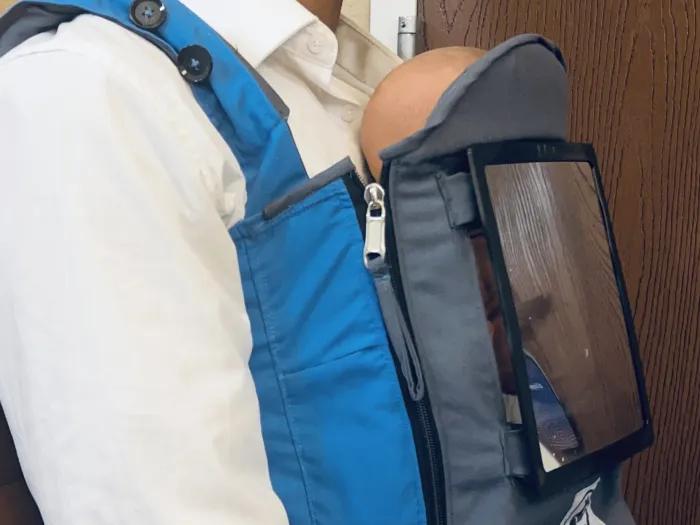
Medical student’s invention aims to help infants with jaundice
Research may help better predict outcomes in kids with congenital cytomegalovirus
12-year-old shares journey with sickle cell anemia on Capitol Hill

Michigan’s aging brains need more protection, poll shows
University of Michigan implants first-in-human Paradromics wireless brain-computer interface, designed to restore communication