People want to know if AI is used in their health care
Findings suggest health care systems should default to disclosure
5:00 AM
Author |
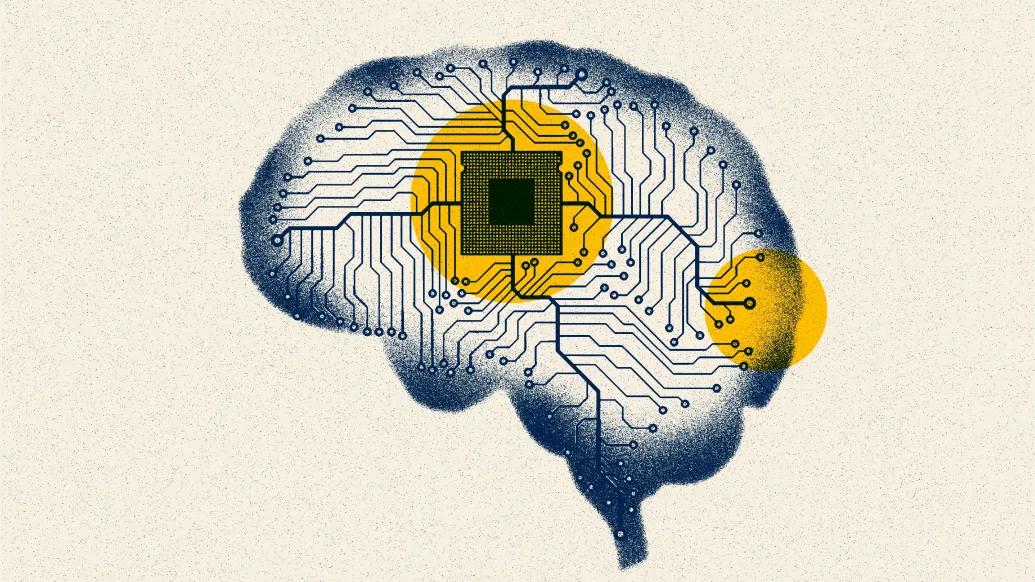
An AI boom driven by a surge in new generative artificial intelligence tools like ChatGPT is changing everything from work to entertainment.
However, AI’s use in healthcare is proving more controversial.
A study published in JAMA Network Open reveals that most people want to be notified if AI is used in their care.
The team, led by Jodyn Platt, M.D., Ph.D., of the Department of Learning Health Sciences at U-M Medical School, surveyed a panel more than 2000 United States adults from across various demographics, assessing their response to the statement “it is important that I am notified about the use of AI in my health care.”
Prior to answering, the respondents viewed a video that outlined potential scenarios of how artificial intelligence could be used, including in reading X-rays or other images or suggesting potential treatments.
Almost 63% answered very true, with just 4.8% indicating that notification was not important.
“The train has left the station on AI being used in healthcare,” said Platt. “While people may have different preferences for engagement around the use of data and AI, these findings indicate that health systems should err on the side of transparency to ensure trustworthiness.”
Additional authors include Paige Nong, Ph.D.; Gloria Carmona, Ph.D.; and Sharon Kardia, Ph.D.
Paper cited: “Public Attitudes Towards Notification of Use of Artificial Intelligence in Health Care,” JAMA Network Open. DOI: 0.1001/jamanetworkopen.2024.50102

Health Lab
Explore thousands of health news & research stories by visiting the Health Lab homepage for more.
Media Contact

Public Relations
Department of Communication at Michigan Medicine
In This Story

Jodyn Platt
Associate Professor
Stay Informed
Want top health & research news weekly? Sign up for Health Lab’s newsletters today!
Featured News & Stories
Studying neurons using neurons
How AI is helping emergency physicians learn from their patients

The algorithm will see you now? Patients say not without a doctor nearby
AI tool can predict heart failure from genetic and health record data
AI reveals hidden features of a developing embryo model