
Pain, psychological factors and physical function closely linked in people with systemic sclerosis
Physical and mental health are intricately linked with chronic pain
5:00 AM
Author |
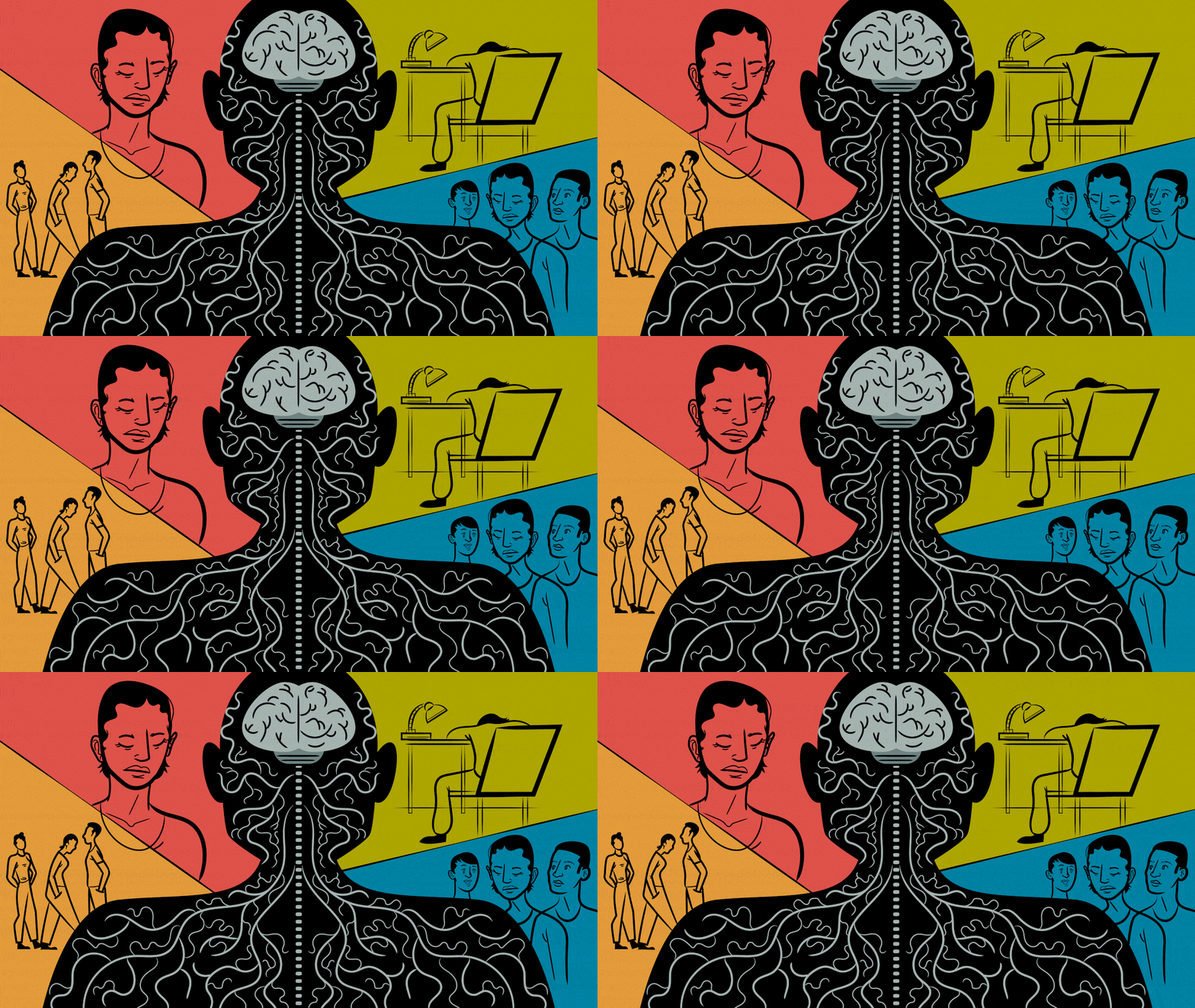
For many people living with chronic conditions like systemic sclerosis, pain can be persistent, unpredictable and difficult to manage.
This can affect mood, worry, sleep, motivation and confidence in completing daily activities.
Daniel Whibley, Ph.D., an Assistant Professor of Physical Medicine and Rehabilitation at University of Michigan Health, recently examined how pain intensity, physical function and psychosocial factors are related in adults living with systemic sclerosis.
Using data collected as part of a larger treatment study led by Susan Murphy, S.C.D., O.T.R., a Professor in Physical Medicine and Rehabilitation and Rheumatology at U-M Health and her team at the Telehealth and Rehabilitation Advancing Chronic Condition Research Center at U-M, Whibley and colleagues examined relationships between pain intensity, physical function, and psychosocial factors including anxiety, negative affect, resilience, depression and self-efficacy at a single point in time.
In the research published in Sage Journals, the team found that higher pain intensity was associated with poorer physical function.
Importantly, anxiety and negative affect appeared to strengthen that relationship.
Among people with higher levels of anxiety or negative affect, pain had a stronger association with limitations in physical function.
“Pain, psychological factors, and physical function were closely linked in our study,” said Whibley.
“Specifically, higher pain intensity was associated with poorer physical function, and that association was stronger among people reporting higher levels of anxiety or negative affect.”
Because the study was cross-sectional, the researchers cannot determine the direction of these relationships.
From a clinical perspective, however, Whibley says the findings highlight the importance of considering the broader context within which people experience pain.
SEE ALSO: For scleroderma research, patients seen as essential co-creators
“If we restrict our focus to physical sources of pain, we may miss other important factors that affect a person’s daily life, not allowing us to see the full picture for treatment,” he said.
“The findings highlight the importance of considering the emotional and psychological context when supporting people with systemic sclerosis-related pain.”
This doesn't mean that pain in systemic sclerosis is psychological.
People with systemic sclerosis can experience complex disease-related sources of pain involving the skin, joints, muscles, blood vessels, gastrointestinal system and other parts of the body.
Rather, Whibley says comprehensive pain care should recognize that physical symptoms, psychological and emotional factors, behavior and daily functioning can be interconnected.
Whibley says patients should feel comfortable discussing psychological or emotional symptoms with their provider and do not need to wait until symptoms become severe.
SEE ALSO: A scleroderma clinical trial brings a better quality of life for one participant
Depending on an individual’s needs, care may include treatment of underlying systemic sclerosis symptoms, pain management, physical or occupational therapy, support for sleep and activity, psychological therapies or other approaches as part of multidisciplinary care.
While the study identified relationships between pain, psychosocial factors and physical function, Whibley and his colleagues say further research is needed to understand how these relationships develop over time.
“Because this study looked at people at a single point in time, we cannot determine the direction of these relationships,” said Whibley.
“Future studies that follow people over time can help us understand how pain, psychological factors and physical function influence one another, and whether addressing these factors can ultimately improve function and quality of life.”
Additional authors: Deeba Minhas, and Dinesh Khanna, Division of Rheumatology, Department of Internal Medicine, University of Michigan, Ann Arbor, MI, USA. John A. Sturgeon, Department of Anesthesiology, Medical School, University of Michigan, Ann Arbor, MI, USA. Yen T. Chen, Department of Physical Medicine and Rehabilitation and Division of Rheumatology, Department of Internal Medicine, University of Michigan, Ann Arbor, MI, USA. Anna Kratz, Department of Physical Medicine and Rehabilitation, University of Michigan, Ann Arbor, MI, USA.
Paper cited: “Psychosocial moderators of the association between pain intensity and physical function in people with systemic sclerosis,” Sage Journals. DOI: 10.1177/23971983241312542
Sign up for Health Lab newsletters today. Get medical tips from top experts and learn about new scientific discoveries every week.
Sign up for the Health Lab Podcast. Add us wherever you listen to your favorite shows.

Health Lab
Explore thousands of health news & research stories by visiting the Health Lab homepage for more.
Media Contact

Public Relations
Department of Communication at Michigan Medicine
In This Story

Daniel Whibley, PhD
Assistant Professor

Susan Murphy, ScD, OTR
Professor
Stay Informed
Want top health & research news weekly? Sign up for Health Lab’s newsletters today!
Featured News & Stories

More babies with hypoplastic left heart syndrome surviving critical period between surgeries

How U-M helped bring depression out of the darkness

Giving Voice to Lived Experience in Dementia Research

Exploring the mind’s mysteries: 130 years of mental health care & innovation at U-M

Small daily activities may help ease dementia caregivers’ stress

