The New Medicare Card: Truth vs. Scam
You can never be too careful about health-related fraud. What consumers should know about Medicare cards — and more.
7:00 AM
Author |
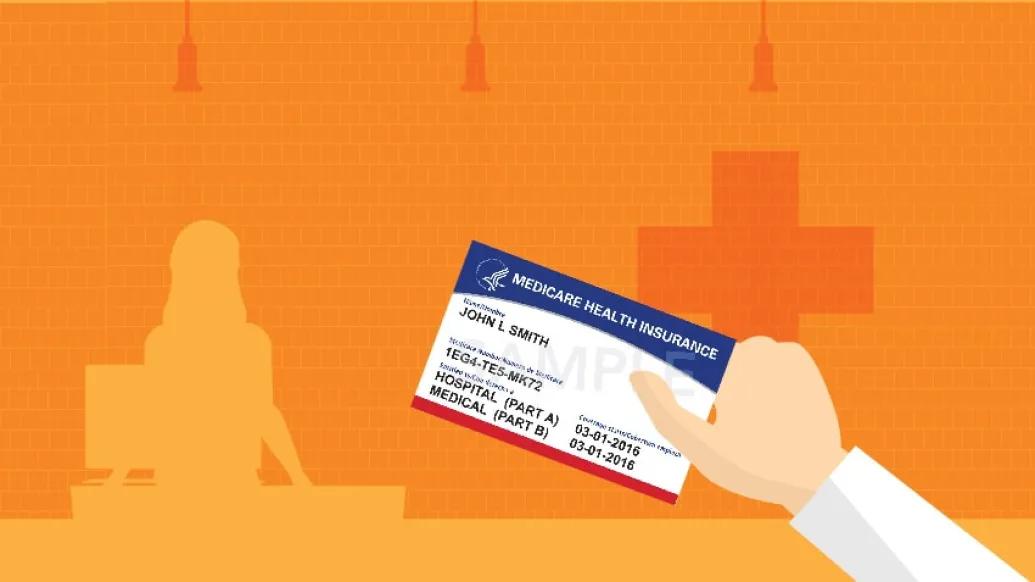
New Medicare cards are being issued to protect seniors from identity theft, but scammers are already finding a new way to take advantage of the change.
The scam involves one of America's most trusted government programs: the Medicare health insurance that covers more than 58 million people, including everyone over age 65 and people with serious disabilities.
Learn how can you protect yourself or your loved ones from this fraud.
More about Myths & Truth
Truth: New Medicare cards are coming
In an effort to protect Medicare participants from identity theft, the federal Centers for Medicare & Medicaid Services started sending new identification cards out this month.
The new cards come with a new Medicare number unique to each person. This number, called the Medicare Beneficiary Identifier (MBI), replaces the Social Security numbers used on the current Medicare cards.
MBIs are meant to stop identity theft if they fall into the wrong hands. But thieves have started contacting seniors to offer "assistance" with getting their new card, even offering to help people file for their card — for a fee. And a new poll from AARP finds that more than three-quarters of Americans over age 65 know little or nothing about this initiative, and that many believe they will have to pay for the new card — leaving them open to scams.
Truth: No "help" is needed to get a new Medicare card. You will get it automatically
Medicare won't call people to ask for information or money to get the card — nor will the agency make threats about someone's Medicare coverage if they refuse to hand over information or money.
The Medicare agency wants people to report calls, emails and other encounters with those who make such claims about the new Medicare card. Anyone who has information about possible scams should call 1-800-MEDICARE (1-800-633-4227).
Truth: The cards will roll out gradually throughout 2018
The first cards are going to new Medicare enrollees, beginning in April 2018. Then starting in May, everyone already in the Medicare program will get a new card automatically.
Because Medicare covers so many people, the cards won't go out all at once. Instead, they'll go out to people in different groups of states and territories according to a schedule on the Medicare website.
So, seniors in Pennsylvania, which is in the first group, will get their card weeks before someone in Michigan, which is in the seventh group.
You can also sign up to get an email when your card is in the mail or check to see when your state's cards have gone out at Medicare.gov.
Until the new card arrives, Medicare participants should keep using their current card – and they should keep protecting it because it contains personal information. Healthcare facilities, like Michigan Medicine, will still be able to take the old cards until the end of 2019.
Truth: You should make sure your address is current
The Centers for Medicare & Medicaid Services will mail the cards to the address on file with the Social Security Administration. If you have moved recently, plan to move in 2018, or spend part of the year at a different address, you should update that address by visiting the SSA online or calling 1-800-772-1213.
After the new card arrives, it's important to protect it because the new Medicare number is still a piece of private personal information.
For more information, visit Medicare's list of Medicare Card FAQs.
Spotting health-related identity theft
Beyond the new card scam, the federal government says seniors should keep an eye out for health-related thefts of individual information.
If you get a bill from a hospital, clinic or other medical provider for a service that you didn't use, that could be a sign that someone is using your identity to get care. So could a rejection from your health plan when you file a legitimate medical claim — if someone else is billing your plan under your name, you might hit limits or restrictions.
In these cases, and other situations where you suspect or know that someone has stolen your identity, you should report it at the federal identity theft website, IdentityTheft.gov.
If you see or hear a claim related to your health care on social media, in an email, or even in conversation, there are a number of trustworthy fact-checking sites you can turn to. And if a friend or relative passes along a claim that they appear to think is true, you can do them (and your social network connections) a favor by checking it out and sharing what you find.
Here are some good resources:
- Snopes Medical Fact-Checks, which is part of a larger website that independently checks claims of all kinds.
- Factcheck.org Health Care, a site that mainly focuses on checking claims related to public policy and government.
- Better Business Bureau Scam Tracker, which allows you to find and report business-related scams and fraud.
- AARP Scams & Fraud Online Community.

Health Lab
Explore a variety of health care news & stories by visiting the Health Lab home page for more articles.
Media Contact

Public Relations
Department of Communication at Michigan Medicine
Stay Informed
Want top health & research news weekly? Sign up for Health Lab’s newsletters today!
Featured News & Stories
How to discuss health care and end-of-life wishes during the holidays

Older Adults Use Online Physician Ratings, but View Them Cautiously, Poll Shows

Want to Save on Prescription or Over-the-Counter Drugs? Speak Up
Michigan’s Medicaid expansion improved both health and finances

5 hot weather tips that could save an older adult’s life