NASH May Overtake Hepatitis C as Top Liver Transplant Cause
A Michigan Medicine researcher outlines the relationship between obesity, nonalcoholic steatohepatitis cirrhosis and a rising liver transplant burden.
7:00 AM
Author |
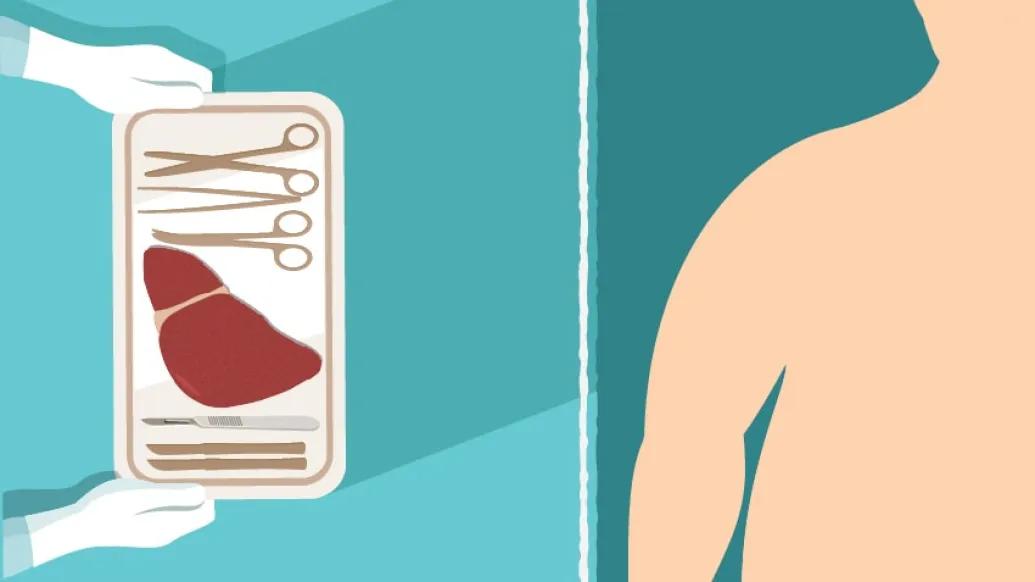
After major gains in fighting hepatitis C, doctors are faced with another liver disease threat, this one linked to obesity. Obesity is driving the rise of nonalcoholic steatohepatitis cirrhosis (NASH), the end of the fatty liver disease spectrum that begins with accumulation of fat in the liver, followed by ballooning, scarring, cirrhosis and eventually liver failure and cancer.
There are no drugs to treat fatty liver disease, which is quickly becoming a leading cause of liver transplants.
Neehar Parikh, M.D., M.S., a liver specialist and clinical lecturer at Michigan Medicine, is examining the pace at which America's obesity rate is putting pressure on the transplant community.
From 2000 to 2014, the proportion of obese individuals went up by 44.9 percent. By 2030, this number is projected to drive, among other things, a 55 percent annual increase in the number of people with NASH waiting for a liver transplant, says Parikh, who led a study about the troubling trend published in Hepatology.
"The impact of rising obesity will create a dramatic increase in NASH-related liver transplant waitlist additions in the U.S. over the next 15 years, likely making NASH the dominant indication for liver transplant in the U.S.," says Parikh.
The number of people added to the liver transplant waitlist because of NASH is expected to increase from 1,354 in 2016 to about 2,104 people in 2030, the study team reports.
It's a red flag for the country's transplant centers, which do about 6,000 to 7,000 liver transplants a year.
"Given the limited donor supply in the U.S., reductions in obesity on a population level are particularly important to reduce this burden," Parikh adds.
Slowing the growth of obesity would significantly slow the growth of NASH-related liver transplant, so public health efforts should continue to focus on this population.
Behind the data
NASH-related liver transplant waitlist additions were best predicted by the prevalence of obesity nine years prior. For example, NASH-related transplant waitlist additions in 2009 were associated with the proportion of obese individuals in 2000.
Researchers based their predictions on a model that combined census data, information from the National Health and Nutrition Examination Study and data from the Organ Procurement and Transplantation Network, the nation's transplant system.
Two decades ago, national health care data sets did not recognize NASH as a cause of liver disease, but coding has evolved to reflect what is a growing strain on liver clinics.
It's a big problem that hospitals and transplant centers appear to manage differently.
Obesity can complicate the chances of patients getting a new liver. Many transplant centers do not consider extremely obese individuals for liver transplants.
Only a few of those with NASH will be eligible for transplant because of age, weight and other health conditions that put their life in danger besides their liver ailment.
As researchers categorized patients by weight, most NASH patients on the transplant waitlist had a body mass index of 30 to less than 40. Patients with advanced fatty liver disease and a BMI more than 40 were less likely to be listed.
In some parts of the country, NASH-related additions to transplant waitlists are low compared with others. For example, data showed lower NASH-related transplant additions rates in the Northwest, known as region 6, and in region 9, which is New York and a small part of Vermont.
Differences could be at play in the obese population that decrease the chances of developing NASH or of NASH patients being added to the waitlist, authors say.
In sum, the relationship between obesity, NASH and a rising liver transplant burden is strong and may create a new strain on transplant resources.
While hepatitis C infection is the most common indication for liver transplants, NASH is set to surpass it as obesity reaches historic highs and new drugs essentially cure hepatitis C.
"Slowing the growth of obesity would significantly slow the growth of NASH-related liver transplant, so public health efforts should continue to focus on this population," says Parikh.
Fatty liver disease can be reversed with diet and exercise. But with lifestyle modifications hard to maintain, clinical trials are underway that could lead to development of new medications in the coming years.

Health Lab
Explore thousands of health news & research stories by visiting the Health Lab homepage for more.
Media Contact

Public Relations
Department of Communication at Michigan Medicine
Stay Informed
Want top health & research news weekly? Sign up for Health Lab’s newsletters today!
Featured News & Stories
Evolving causes, diagnosis of drug-induced liver injury
University of Michigan Health Liver Transplant Program Earns Top Five National Ranking for Transplant Access
Alcohol-Related Liver Disease clinic gives patient new hope

2-year-old thrives after liver transplant for biliary atresia
Cutting edge treatment for advanced colon cancer