Managing cirrhosis pain without drugs
The upcoming trial was awarded $13M in funding
12:04 PM
Author |
Researchers at the University of Michigan and the University of Pennsylvania are preparing a year-long study of techniques cirrhosis patients can employ at home to relieve chronic pain without medication.
The Application of Lifestyle Enhancing Validated Integrative Therapies for Everyday Pain in Cirrhosis, or ALLEVIATE-C, trial will investigate potential tools for healthcare providers currently unaware of evidence-based alternatives to potentially risk and ineffective drugs.
The proposed study was selected for $13 million in funding from the Patient-Centered Outcomes Research Institute after a competitive review process.
PCORI provides funding specifically for comparative research focused on people living with acute or chronic pain. (The funding award has been approved pending completion of PCORI’s business and programmatic review and issuance of a formal award contract.)
“Sadly, medications are often not effective for chronic pain and frequently cause harm,” said Elliot Tapper M.D., principal investigator and Andrews Family Research Professor of Hepatology at the University of Michigan Medical School.
“Our patients have asked us for safe relief from pain, and we are hopeful that we are on the right path."
Marina Serper, M.D., M.S., associate professor of medicine at the University of Pennsylvania Perelman School of Medicine, is co-principal investigator.
Cirrhosis, a chronic disease of the liver, affects 2.2 million Americans and accounts for over $10 billion in annual health care costs.
Among the most debilitating symptoms of cirrhosis is chronic pain, which affects as many as 79% of patients.
Over 12 months, ALLEVIATE-C will compare patients randomized to two arms featuring either a high-touch or low-touch self-management program.
Study participants in the low-touch group will interact with 12 self-directed modules and will receive wearable fitness trackers.
The high-touch group will work with a health coach via video or telephone and will choose between a meditation or walking focus.
Previous research by Tapper has established the effectiveness of meditation and stretching to alleviate nocturnal muscle cramps, a common symptom of cirrhosis.
Researchers believe evidence for non-pharmacological management techniques is especially needed for cirrhosis patients, who are increasingly prescribed opioids.
For such patients, these prescriptions — which can have limited efficacy — can cause falls and lead to hepatic encephalopathy, a life-threatening cognitive impairment.

Health Lab
Explore a variety of health care news & stories by visiting the Health Lab home page for more articles.
Media Contact

Public Relations
Department of Communication at Michigan Medicine
In This Story
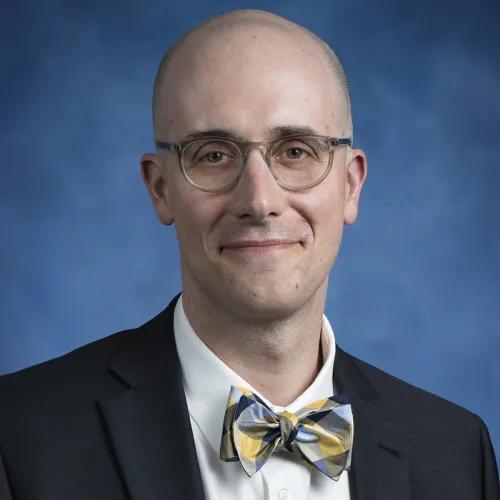
Elliot B Tapper, MD, FAASLD
Associate Professor
Stay Informed
Want top health & research news weekly? Sign up for Health Lab’s newsletters today!
Featured News & Stories

Psychoactive substances and adverse side effects for patients with multiple sclerosis
Alcohol-Related Liver Disease clinic gives patient new hope

Kidney transplant recipient celebrates 10 year anniversary at Transplant Games

What does cannabis 'rescheduling' mean for science and society?
2-year-old thrives after liver transplant for biliary atresia