Can meditation and stretching relieve cramping caused by cirrhosis?
A study reveals therapies that can help patients with chronic liver disease sleep better at night
5:00 AM
Author |
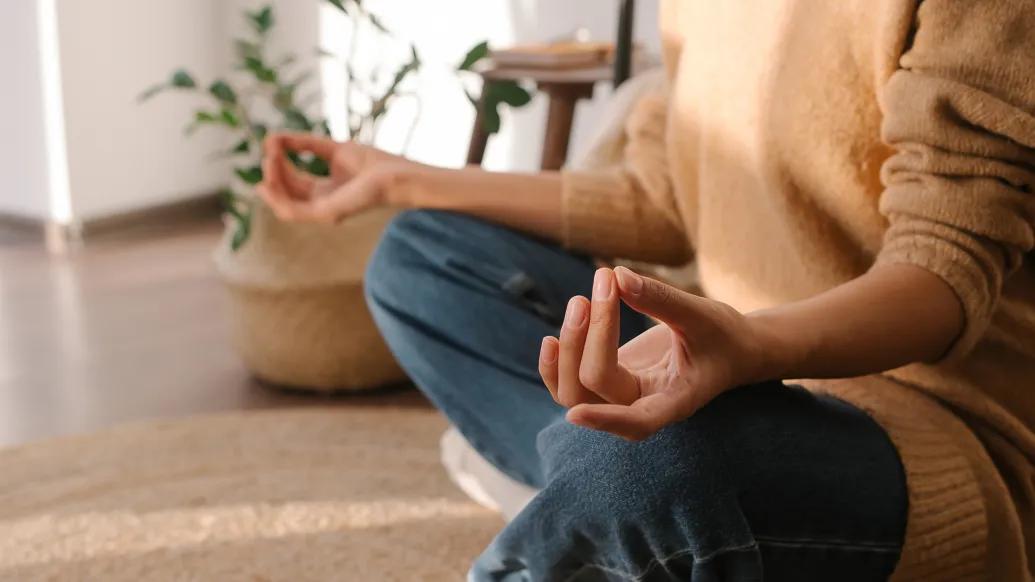
People suffering from cirrhosis may find some symptom relief from two accessible activities: stretching and meditation.
A study from the University of Michigan compared the two therapies as a means to relieve nocturnal muscle cramps and found both effective.
The resulting paper, “The RELAX randomized controlled trial: Stretching versus meditation for nocturnal muscle cramps,” appeared in Liver International.
The study
Two out of every three people with cirrhosis experience muscle cramps at night that wake them from sleep.
Since these cramps interrupt rest, they exacerbate other symptoms.
In previous research, Michigan doctors determined that muscle cramps have the highest impact on quality of life, relative to other cirrhosis-related symptoms, making their treatment a priority.
“We wanted to test two different treatments for cramps: One was coping with meditation and the other was physically stretching to prevent the occurrence of the cramp,” said Elliot Tapper M.D., director of the University of Michigan’s Cirrhosis Program, and lead author on the paper.
“What we ended up finding was that both interventions significantly reduced cramps severity and improved quality of life, which was somewhat unexpected.”
The unexpected result was the effect of meditation.
The researchers had selected meditation as an active placebo after previous research on mindfulness techniques for caregivers of people with cirrhosis.
In this study, the participants in the meditation group and the participants in the stretching group both reported reduced cramp severity and better sleep.
“The hope was that if we could see some positive effects for patients, then we could use meditation in other studies of generalized chronic pain,” Tapper said.
“I just didn't expect it to have anything to do with cramp severity. I thought it could improve quality of life, but not reduce cramps.”
There is limited research on therapies to ameliorate these cramps, despite their prevalence in patients with cirrhosis and chronic liver disease.
A previous study led by Tapper showed that drinking pickle juice could help stop cramps, though it did not improve overall quality of life.
While a higher percentage of patients who stretched (79.5%) said they would recommend their intervention than those patients who meditated (55.3%), the results suggested meditating was more likely to improve overall health-related quality of life.
Tapper highlights this potential to improve quality of life, along with its accessibility, as making meditation an exciting option meriting further study.
“These results really show that that, if practiced, these mind-body methods have the ability to train people to overcome truly distressing physical symptoms,” Tapper said.
Additional authors: Erin Ospina, Beanna Martinez, Xi Chen, Ph.D., Samantha Nikirk
Michigan Research Cores: Human Research
Paper cited: “The RELAX randomized controlled trial: Stretching versus meditation for nocturnal muscle cramps,” Liver International. DOI: 10.1111/liv.16007
Sign up for Health Lab newsletters today. Get medical tips from top experts and learn about new scientific discoveries every week by subscribing to Health Lab’s two newsletters, Health & Wellness and Research & Innovation.
Sign up for the Health Lab Podcast: Add us on Spotify, Apple Podcasts or wherever you get you listen to your favorite shows.

Health Lab
Explore thousands of health news & research stories by visiting the Health Lab homepage for more.
Media Contact

Public Relations
Department of Communication at Michigan Medicine
In This Story

Elliot B Tapper, MD, FAASLD
Professor
Stay Informed
Want top health & research news weekly? Sign up for Health Lab’s newsletters today!
Featured News & Stories
Pain, psychological factors and physical function closely linked in people with systemic sclerosis

A tragedy and a trial shine a spotlight on new moms’ mental health
Evolving causes, diagnosis of drug-induced liver injury

How to improve mental health safety on social media – not just for young people
What’s the latest on 7-OH and kratom availability and addiction care?