Lyme Disease: the Symptoms and Stages You Need to Know [Infographic]
You can have Lyme disease — and not know it. Learn how to prevent the infection and which symptoms signal short- and long-term trouble.
7:00 AM
Author |
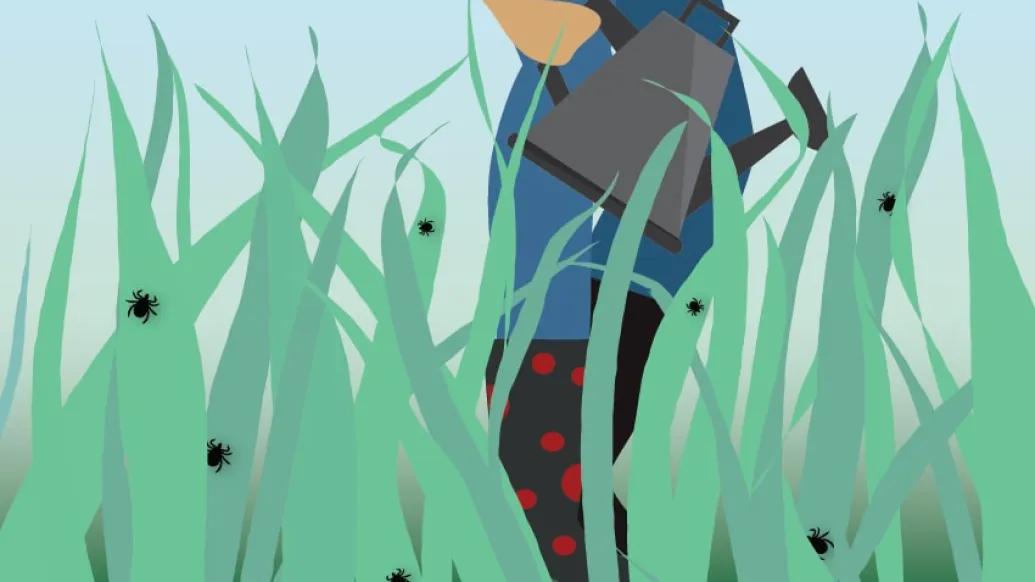
As nuisances go, ticks are tiny. Most people don't even notice when one lands on them. But their presence can cause big problems.
That's because the pesky bloodsuckers, depending on their species, can carry Lyme disease or other infectious conditions, such as Rocky Mountain spotted fever. Ticks spread disease by biting and then transmitting infectious organisms through their saliva.
Without antibiotic treatment, a tick bite can trigger uncomfortable symptoms.
Fortunately, most people who are bitten by a tick don't contract Lyme disease.
It takes about 36 hours for an infected tick attached to your skin to spread the illness. So the hazard often can be avoided with careful, all-over skin checks and fast removal. Use tweezers to remove wood ticks; scrape off smaller deer (aka blacklegged) ticks with a fingernail or credit card.
You also can help prevent the threat by wearing insect repellent and long-sleeved shirts and pants. To ensure timely detection and treatment, it's important to know the common signs of Lyme disease.
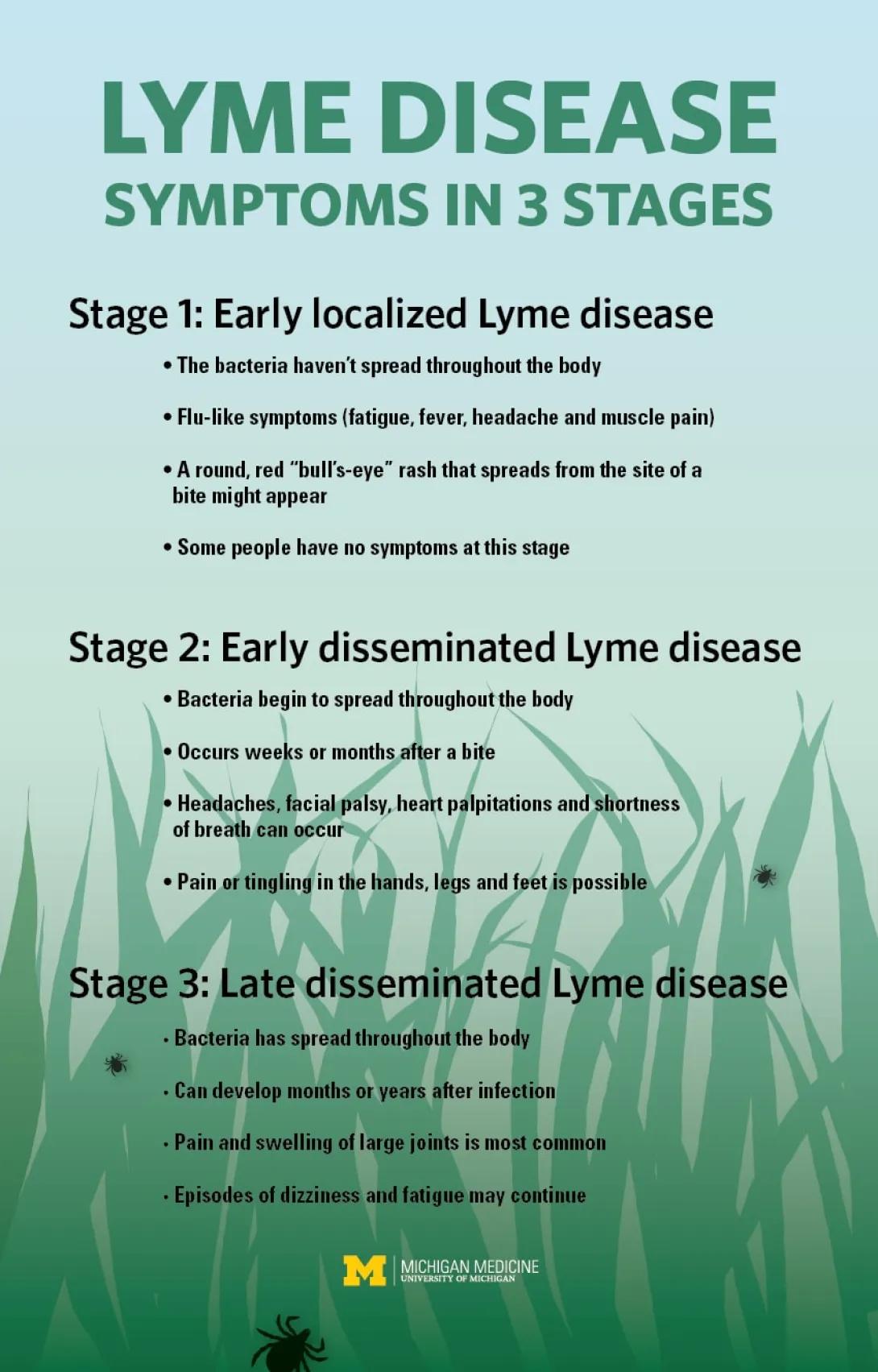
Still, symptoms of infection can surface several days to one month after first contact, making the diagnosis challenging. And in some cases, hallmark signs such as a "bull's-eye" rash (or detection of a tick on the skin) don't appear at all.
Here's what to look for if you suspect Lyme disease:
Sources: Centers for Disease Control and Prevention, Michigan Medicine, National Institutes of Health

Health Lab
Explore thousands of health news & research stories by visiting the Health Lab homepage for more.
Media Contact

Public Relations
Department of Communication at Michigan Medicine
Stay Informed
Want top health & research news weekly? Sign up for Health Lab’s newsletters today!
Featured News & Stories
Tick Talk: How to Stop (and Remove) Them

Human Rabies Exposures Growing Across the Country
4 in 5 parents say having a baby is too expensive

Many hospitals still don’t do enough to prevent UTIs from catheters

15 years of data will help uncover how flu spreads—and how to reduce its impact