Lung transplant recipient donates lungs to science
Patient becomes advocate for organ donation, transplant research
11:00 AM
Author |

Upon learning that she would need a lung transplant, Kris Geeraerts had one request.
She wanted to donate her lungs to science.
During the COVID-19 shutdown, Geeraerts was admitted to the emergency department with trouble breathing.
While her team felt confident she had COVID-19, testing was not yet widely available to confirm the diagnosis. Geeraerts was sent home on oxygen and told to rest.
“I was very sick for three months and eventually my care team was able to confirm I did have COVID-19,” said Geeraerts.
“While I recovered from the initial infection, I had to stay on oxygen for a year and a half.”
Once off oxygen, Geeraerts was still being monitored by her care team for any decline in lung function.
During a routine CT scan in September 2023, her care team found a diagnosis that would change Geeraerts’ life.
The scarring on her lungs was idiopathic pulmonary fibrosis. Her lung function was slowly declining.
Despite efforts to manage her pulmonary fibrosis with oxygen and various medications, Geeraerts’ lung function continued to decline over the next year.
Transplant needed
By September 2024, her best treatment option was a lung transplant.
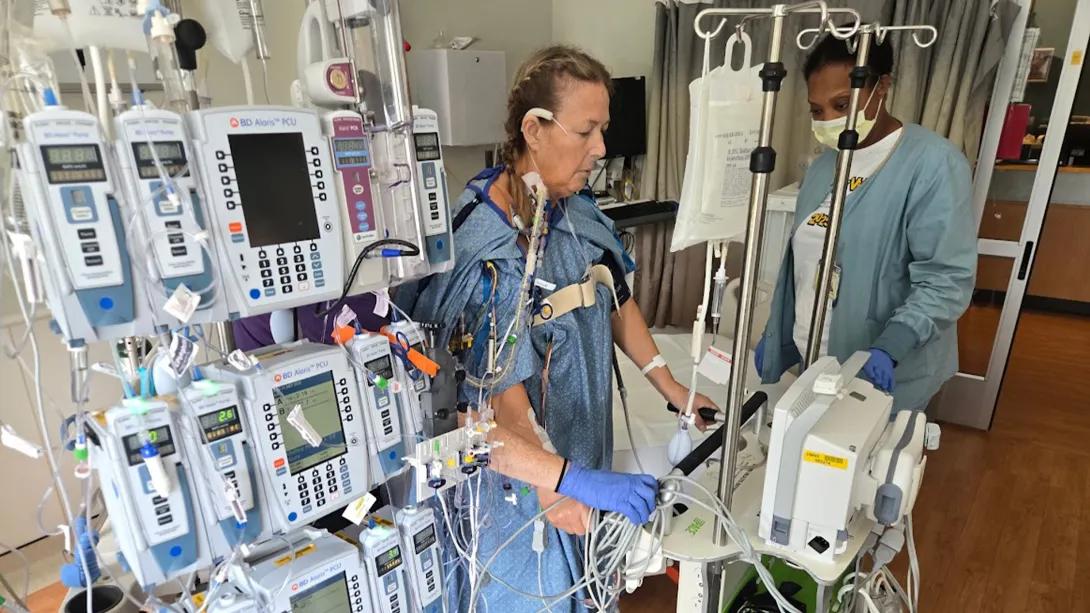
“Kris’s medications had been maximized and there was a concern that her lung function would only deteriorate further over time to a point where she could not receive enough oxygen to support lung function,” said Dennis Lyu, M.D., the Medical Director of the Lung Transplant Program at the University of Michigan Health Transplant Center.
“Her pulmonary fibrosis was a risk to her life and a lung transplant was her best option.”
Donating diseased lungs
Geeraerts’ pulmonary fibrosis is hereditary. Her father lived with idiopathic pulmonary fibrosis and passed at 48 years old from the disease.
“When my dad was living with pulmonary fibrosis, there weren’t as many treatment options,” she said. “A lung transplant was never an option for him.”
When Geeraerts first heard she needed a lung transplant, she knew she wanted to have her transplant at the U-M Health Transplant Center, because of the excellent care but also the opportunity to donate her lungs to scientific research.
“There are many people living with pulmonary fibrosis and the only way we can improve treatments is by studying the condition,” she said. “I wanted my lungs to contribute to helping find a cure for those like my dad and I.”
Her care team was able to connect her with the proper teams at U-M Health to ensure that her lungs would be donated to science after her transplant.
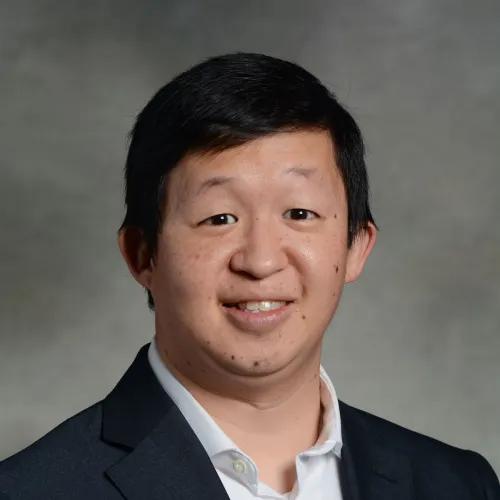
“A lot of patients with chronic lung disease suffer tremendously with inability to participate in daily activities because they cannot breathe,” said Steven Huang, M.D., Associate Professor in the Department of Internal Medicine, Division of Pulmonary and Critical Care Medicine at U-M Health.
“Not only is it wonderful to see patients like Kris Geeraerts have a new lease on life with a transplant, but the donation of diseased lungs for research is invaluable in allowing scientists to one day find cures for others who may not have the opportunity to receive a transplant.”
Geeraerts said she was reassured her lungs could contribute to scientific research.
“I had complete confidence that they were going to take good care of me and my lungs. I was thrilled that they were able to make my wish a reality,” she said.
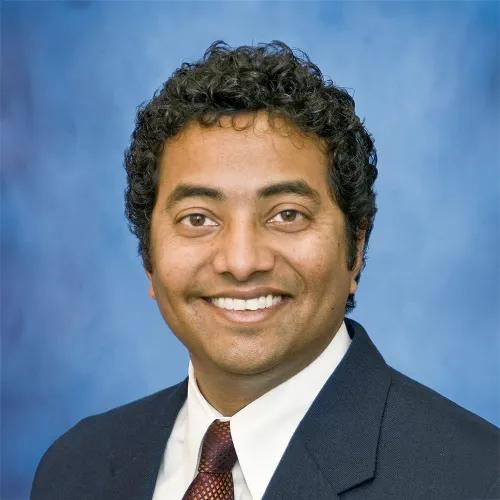
According to Rishi Reddy, M.D., Surgical Director of the U-M Health Lung Transplant Program, this kind of request is common.
“Ms. Geeraerts’ donation of her lungs is a critical part of the process to learn how to better treat people with lung disease like pulmonary fibrosis,” said Reddy.
“Those of us in the field are so appreciative of her efforts and personal donation, as well as the donation of many others who help us push the scientific field forward to improve care for everyone.”
After her evaluation, Geeraerts was listed for a lung transplant in March 2025.
She stayed as physically active as possible as she waited for the call. But as her time for transplant came closer, she needed 15 liters of oxygen to do daily activities.
Those of us in the field are so appreciative of her efforts and personal donation, as well as the donation of many others who help us push the scientific field forward to improve care for everyone.”
- Rishi Reddy, M.D.
Two donations in one
On September 17, 2025, Geeraerts received a call saying a pair of lungs was a match.
Geeraerts said she felt she was in good hands at U-M Health's Transplant Center.
“I remember the nurses putting my hair in French braids before I went into the operating room,” she recalled.
“This set the tone for the care I received throughout my stay. Everyone who cared for me was phenomenal.”
Her transplant was a success. Within eight days she was sent home with her second chance at life.
“I was nervous I wouldn’t make it to 2026, and now I’ve just turned 60,” Geeraerts said.
“I’ve felt so much support from my family, friends and care team and I wouldn’t have gotten through this without them.”
Advocating for gift of life
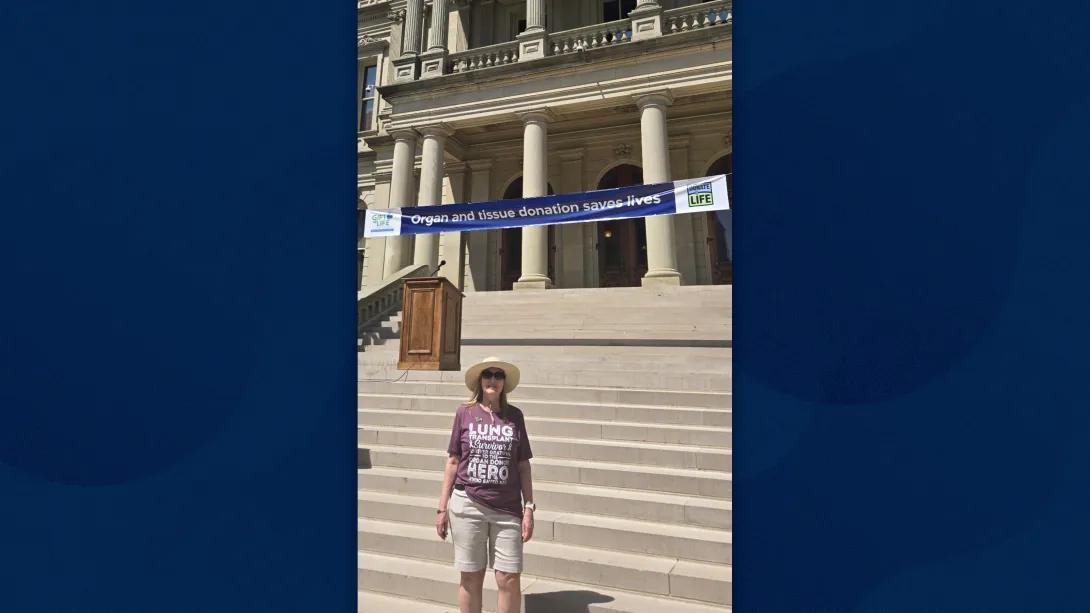
Since her transplant, Geeraerts has continued to be an advocate for scientific research and education. Most recently, she has been advocating for organ donation.
“I can no longer donate my lungs, but that doesn’t mean that I can’t donate any other organs,” she said.
“Organ donation is another chance for me to give back and save lives.”
Geeraerts has attended events at the Michigan State Capital in Lansing to advocate for state legislation improving the organ donation experience for both recipients and donors.
“While a transplant isn’t a cure, it is always a blessing,” she said.
“I feel that it’s important to spread education about organ donation to help bring this life saving care to those who need it.”
Geeraerts also has been returning to activities she loves. She has been using her e-bike in “eco” mode, traveling with her partner, Scott, participating in local live music, and more.
Geeraerts is also using her transplant experience to help others waiting for a lung transplant. She has recently become a lung transplant peer mentor with the U-M Health Transplant Center Peer Mentorship program.
“I want to honor my donor through educating others about organ donation and utilizing this gift to keep living a full life,” she said.
“I am so grateful for this gift I was given.”
Sign up for Health Lab newsletters today. Get medical tips from top experts and learn about new scientific discoveries every week.
Sign up for the Health Lab Podcast. Add us wherever you listen to your favorite shows.

Health Lab
Explore thousands of health news & research stories by visiting the Health Lab homepage for more.
Media Contact

Public Relations
Department of Communication at Michigan Medicine
In This Story
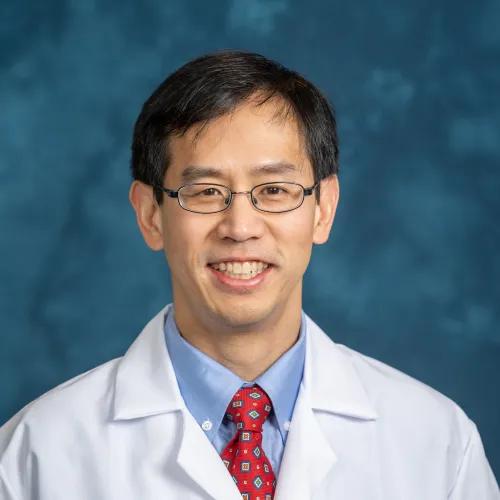
Dennis Lyu
Clinical Professor
Rishindra M Reddy, MD, MBA
Professor
Steven K Huang, MD
Professor
Related

Lung transplant recipient wins gold in World Transplant Games
Lung transplant recipient stays active climbing stadium steps and more post-transplant
Stay Informed
Want top health & research news weekly? Sign up for Health Lab’s newsletters today!
Featured News & Stories
From transplant to skydiving, a young liver recipient finds new strength
Advancements and trends in lung transplantation
University of Michigan Health Liver Transplant Program Earns Top Five National Ranking for Transplant Access
Lung transplant recipient stays active climbing stadium steps and more post-transplant
Kidney transplant recipient celebrates 55-year milestone