Lung health expert weighs in on Zyn and other nicotine pouches
A doctor explains whether they're safe, can actually lead to a cigarette addiction and more
5:00 AM
Author |

In late June, the United States Food and Drug Administration granted orders that a popular brand of nicotine pouch, Zyn, may now be marketed with the following risk modification claim: “Using ZYN instead of cigarettes puts you at a lower risk of mouth cancer, heart disease, lung cancer, stroke, emphysema and chronic bronchitis.”
Michigan Medicine’s MeiLan Han, M.D., of the Division of Pulmonary and Critical Care at University of Michigan Health, provides her thoughts on the use of nicotine pouches.
Are nicotine pouches a good way to quit cigarettes?
Han: They wouldn't be my first choice.
We have FDA-approved medications with much stronger evidence for helping people quit.
That said, if someone switches completely from cigarettes to nicotine pouches, they’re likely reducing exposure to many of the toxic chemicals created by burning tobacco that increase the risk of lung cancer, chronic bronchitis, emphysema and other smoking-related diseases.
But I wouldn't think of Zyn as a proven smoking cessation treatment.
Is nicotine bad for you?
Han: Nicotine is highly addictive.
While it doesn't directly cause lung cancer or emphysema, it can raise heart rate and blood pressure and may contribute to cardiovascular risk.
It’s also particularly harmful for adolescents, pregnant women, and developing brains.
Nicotine exposure during pregnancy can impair fetal lung development, increasing the risk of respiratory problems in children.
Adolescents become addicted more quickly than adults, and nicotine can affect attention, memory, learning, and impulse control.
It’s also been associated with higher rates of anxiety and depression, although it's difficult to separate cause from effect.
One thing that concerns me about Zyn pouches in particular is that many are available in fruit and mint flavors, which have historically increased the appeal of nicotine products among youth.
While there are age-verification requirements intended to prevent sales to minors, we don't yet know how effective these measures will be in practice.
Are nicotine pouches harmful?
Han: They are probably less harmful than cigarettes, but that doesn't mean they're harmless.
We still don't have good long term safety data.
They can cause nicotine dependence and local mouth irritation, and we don't yet know the full health consequences of years or decades of use.
Can nicotine pouches lead people to start smoking?
Han: We don't have strong evidence that nicotine pouches cause people to start smoking cigarettes.
The bigger concern is that they introduce or reinforce nicotine addiction, particularly among young people who might not otherwise have used nicotine.
Their flavors and marketing may increase the appeal of nicotine products to younger people, which is an important public health concern.
What's your advice for people who are using nicotine pouches now?
Han: If you switched from cigarettes to Zyn or other nicotine pouches and are no longer smoking, that's likely a step toward reducing harm.
But I wouldn't view nicotine pouches as the end goal.
My advice is to make a plan to eventually become nicotine-free.
And if your goal is to quit, talk with your healthcare provider about evidence-based treatments that have been proven to help people stop for good.
Sign up for Health Lab newsletters today. Get medical tips from top experts and learn about new scientific discoveries every week.
Sign up for the Health Lab Podcast. Add us wherever you listen to your favorite shows.

Health Lab
Explore thousands of health news & research stories by visiting the Health Lab homepage for more.
Media Contact

Public Relations
Department of Communication at Michigan Medicine
In This Story

MeiLan K Han MD, MS
Professor
Stay Informed
Want top health & research news weekly? Sign up for Health Lab’s newsletters today!
Featured News & Stories

Continuing the legacy of a doctor’s doctor

U-M-led consortium to receive up to $52 million in NIH funding to study why viral respiratory infections affect children differently

Many older adults make Medicare decisions quickly and most don’t change plans, poll finds
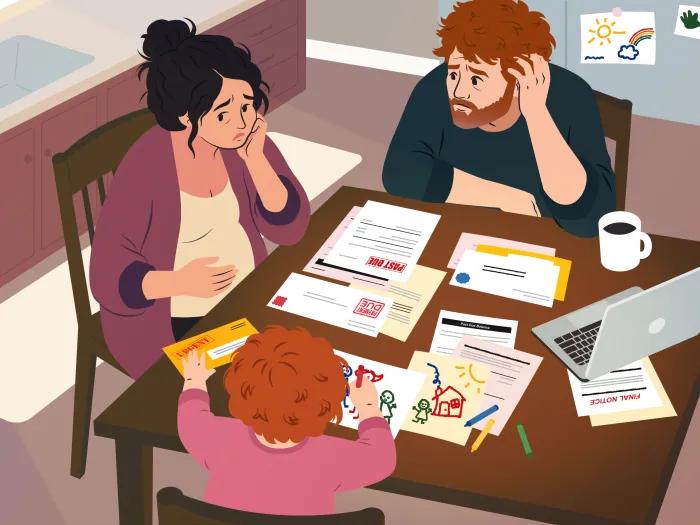
4 in 5 parents say having a baby is too expensive
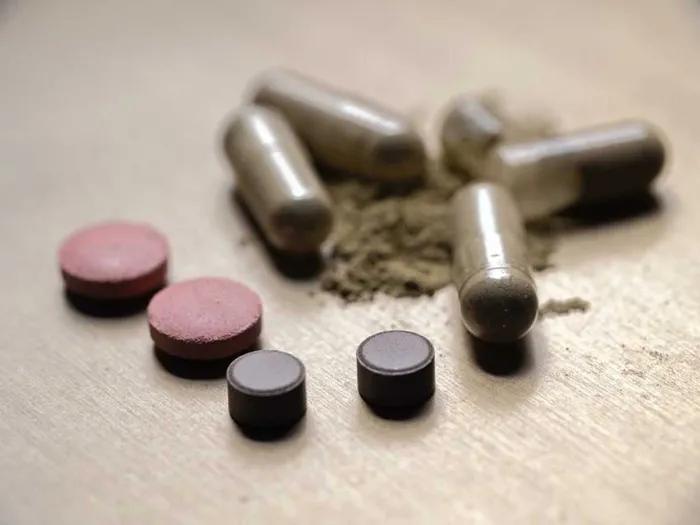
What’s the latest on 7-OH and kratom availability and addiction care?