Lower firework age restrictions leads to increase in pediatric hand injuries
Loosened firework purchasing laws could put children at risk of injury
5:00 AM
Author |
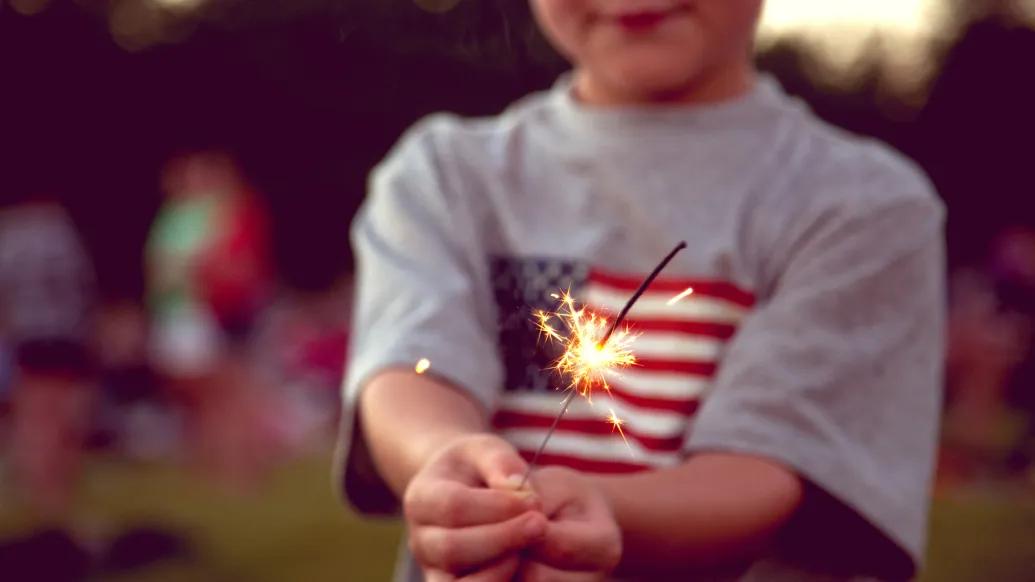
Individual states have been lifting their restrictions on fireworks available for consumer purchase over the past decade.
These restrictions most commonly pertain to the types of fireworks, projectile or explosive, that are allowed for purchase.
The states that have loosened purchasing restrictions are seeing an increase in firework-related pediatric hand injuries.
Obtaining data from the Pediatric Health Information System, Kevin Chung, M.D., a Professor of Surgery at University of Michigan Health, and a team of researchers began to observe if there was a correlation between a state’s legal age to purchase fireworks and the number of firework related pediatric hand injuries seen at the 49 pediatric hospitals in the database.
Results published in JAMA Network Open identified 37,573 patients of mixed gender, age, race and economic background with various hand injuries across the 49 hospitals, with 645 of these hand injuries identified as firework related.
“While this number appears small, it doesn’t account for the pediatric patients that may have been seen at an urgent care or non-pediatric hospital,” said Chung.
“Six hundred and forty-five firework related hand injuries being seen at pediatric hospitals alone is a cause for concern when it comes to protecting children from firework injury.”
U-M Health researchers identified those with a higher risk of firework related pediatric hand injuries to include males, African Americans, families with income below the state median, those living in states where the legal age to purchase fireworks is under 17 years old and those living in states that did not have restrictions on the types of fireworks that consumers could purchase.
SEE ALSO: 7 tips for a safer Fourth of July fireworks show
SEE ALSO: Protecting children from firework-related injuries, burns
“Individuals of all ages would benefit from having stricter laws on the legal age to purchase fireworks,” said Chung. “While entertaining, fireworks can cause serious injury not only to the hand, but the entire body if not handled properly.”
States with a legal purchasing age of 17 years or older or more restrictive purchasing laws saw a significant decrease in firework related pediatric hand injuries.
All states included in the study saw an increase in firework related pediatric hand injuries in the month of July.
To avoid firework related pediatric injuries of all kinds, Chung advises that children are supervised around fireworks.
“Even sparklers which many consider ‘safe’ can cause burn injuries,” he said.
“Keeping children away from fireworks until they are fully educated about their dangers and proper usage is an easy way for parents to help avoid firework related pediatric injuries as much as possible.”
Additional authors: Michael F. Catanzaro, M.D., and Sandra V. Kotsis, M.P.H., from the Section of Plastic Surgery, Department of Surgery, Michigan Medicine, Ann Arbor. Wenchu Pan, M.S., from the Department of Biostatistics, School of Public Health, University of Michigan, Ann Arbor.
Tech transfer(s)/Conflict(s) of interest: Dr Chung reported receiving royalties from Wolters Kluwer. No other disclosures were reported.
Paper cited: “State Firework Legislation and Pediatric Hand Trauma,” JAMA Network Open. DOI: 10.1001/jamanetworkopen.2025.54594

Health Lab
Explore thousands of health news & research stories by visiting the Health Lab homepage for more.
Media Contact

Public Relations
Department of Communication at Michigan Medicine
In This Story

Kevin C Chung, MD, MS
Professor
Stay Informed
Want top health & research news weekly? Sign up for Health Lab’s newsletters today!
Featured News & Stories

Digital alerts support timely treatment decisions of critically ill cardiac patients

What’s changing in Medicaid and what can you do?
Rabies is on the rise: Experts offer advice

E-Bikes are everywhere, but most parents say they don’t know enough about them
Young father survives aortic dissection after delayed diagnosis