Low FODMAP Diet Recipes
To help you get started with the Low FODMAP diet, Michigan Medicine provides recipes that only include approved ingredients.
7:00 AM
Author |
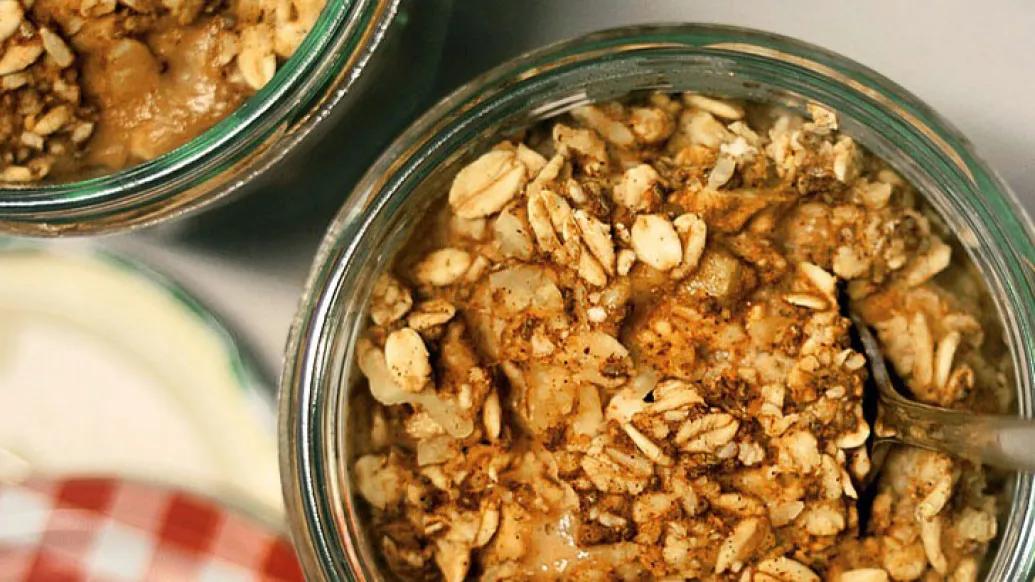
Peanut Butter and Banana Overnight Oats
Ingredients:
-
1/2 cup rolled oats (use oats labeled as gluten-free if you have celiac disease)
-
1/2 cup unsweetened almond milk
-
1 teaspoon chia seeds
-
1/2 banana
-
1 tablespoon peanut butter
-
1/4 teaspoon cinnamon
Directions:
-
Stir all ingredients in a small bowl.
-
Cover and refrigerate overnight.
-
In the morning, eat chilled or microwave for up to 1 minute, stirring halfway through.
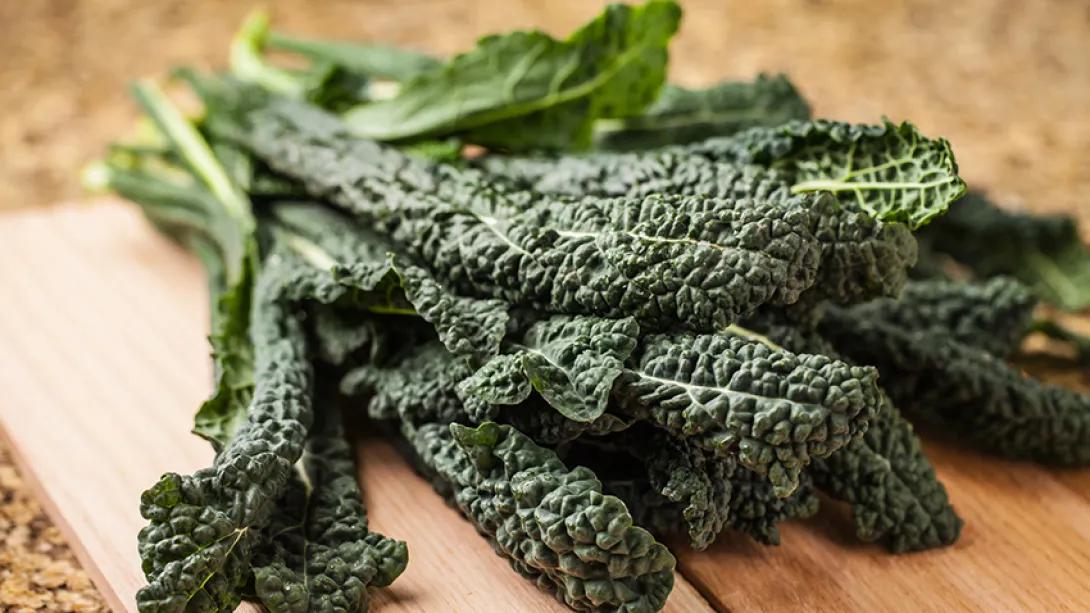
Ingredients for salad:
-
2 packed cups curly green kale, washed and with spines removed
-
1-2 tablespoons pepitas
-
dash of olive oil
-
1/4 teaspoon cumin
-
salt to taste
-
1/2 cup shredded red cabbage
-
1/2 cup shredded carrots
-
1/2 cup grape tomatoes, sliced in quarters
-
1/2 cup cooked quinoa (measures about 1/4 cup before cooking)
-
1/4 cup diced red peppers
-
2-3 tablespoons crumbled goat cheese
Ingredients for cumin-lime vinaigrette:
-
3/4 teaspoon ground cumin
-
juice from one lime (3 tablespoons)
-
1 tablespoon pure maple syrup
-
1 tablespoon olive oil
-
1/8 teaspoon salt
-
pinch of pepper
Directions:
-
Place kale on a cutting board and chop into strips about 1/2-inch thick.
-
In a small pan over medium heat, toast pepitas with a dash of olive oil and dust with ground cumin and salt. Stir frequently for 3 to 5 minutes to prevent burning.
-
Make the dressing by whisking all the vinaigrette ingredients together in a small bowl.
-
Place kale in a large bowl and arrange the other ingredients on top. Drizzle with the dressing and then toss everything together to combine.
Makes one large entrée salad or two to three side salads
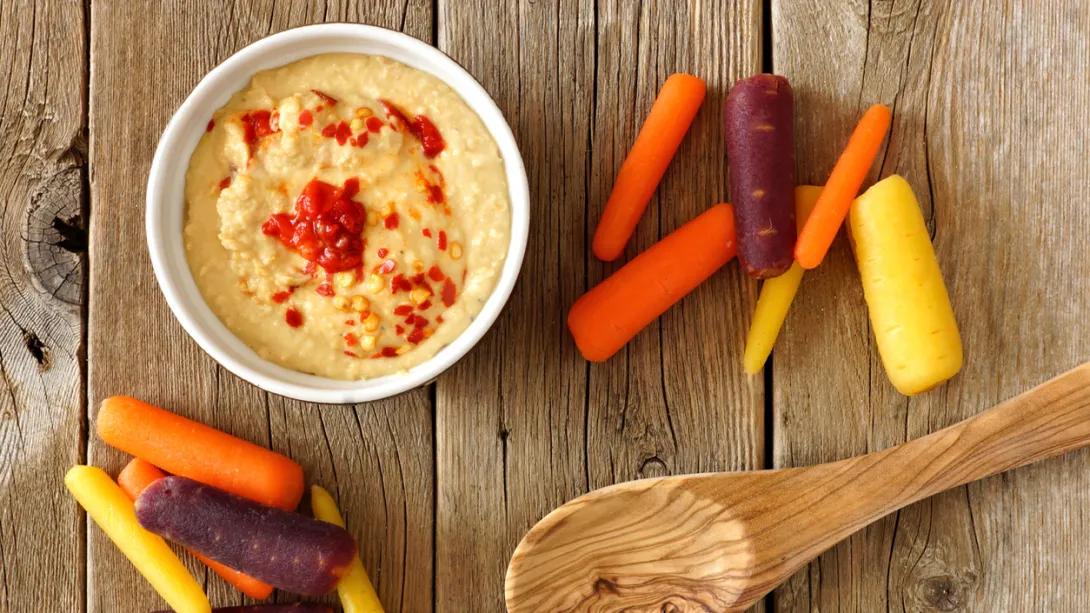
Ingredients:
-
1 can (15 ounces) chickpeas, rinsed and drained
-
2 tablespoons tahini
-
2 tablespoons lemon juice
-
1/4 cup chopped roasted red peppers (plus an extra 1 to 2 tablespoons for garnish); check label for FODMAP ingredients if using jarred peppers in water
-
1/4 teaspoon each salt and pepper
-
1 tablespoon garlic-infused olive oil
-
1 tablespoon plain olive oil
-
1 tablespoon water
-
smoked paprika for garnish
Directions:
-
Place chickpeas in a small saucepan and cook over medium heat for about 5 minutes, stirring often.
-
In a food processor, add chickpeas, tahini, lemon juice, 1/4 cup of roughly chopped peppers, salt and pepper. Blend until smooth and creamy, about 2 minutes.
-
Drizzle in both types of olive oil and water; continue to blend until combined.
-
Taste and season with additional salt and pepper if needed.
-
Transfer into a bowl. Sprinkle with smoked paprika. Put 1 to 2 tablespoons of chopped roasted red peppers on top for garnish.
-
Cover and refrigerate for 1 hour before serving.
Limit servings to 1/4 cup of hummus; enjoy with baby carrots
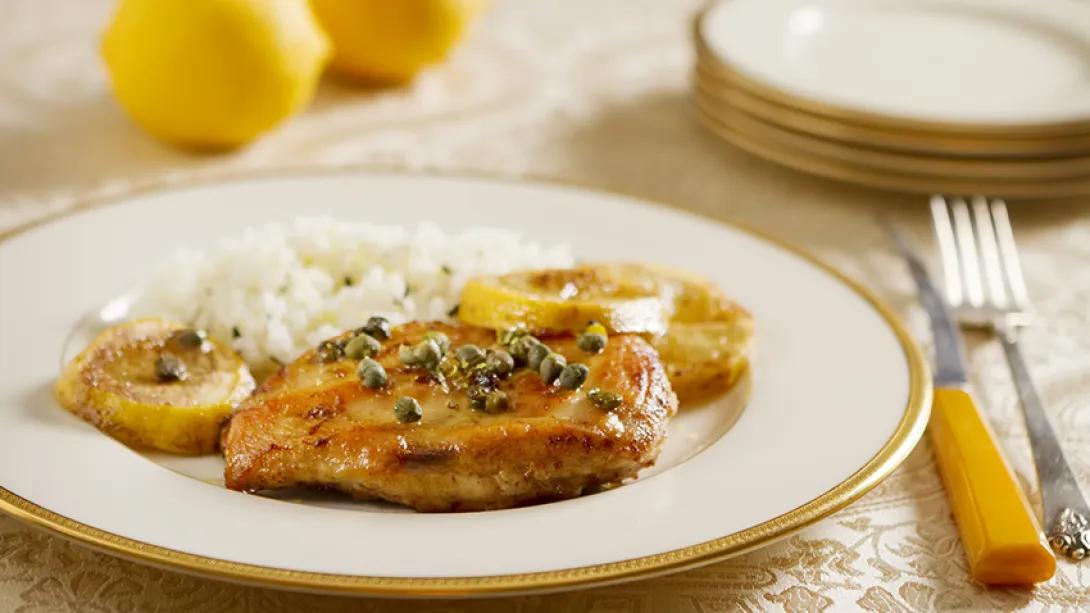
Chicken Piccata and Roasted Broccoli with Pine Nuts
Ingredients for chicken:
-
2 chicken breast halves
-
1/2 cup brown rice flour (plus 1 teaspoon extra for sauce)
-
1/4 teaspoon each salt and pepper
-
1 tablespoon plus 1 teaspoon garlic-infused olive oil (regular olive oil will also work)
-
1/3 cup dry white wine
-
1/2 cup low FODMAP chicken broth (Trader Joe's Savory Chicken Broth Concentrate, Progresso All Natural Reduced Sodium Chicken Broth or a homemade stock without garlic and onion will work)
-
1/3 cup lemon juice (about 1 lemon)
-
zest from half a lemon
-
1 1/2 teaspoons dried parsley flakes
-
2 tablespoons capers (dried in vinegar)
Directions:
-
Place a chicken breast in a half-gallon zip-close bag and put on a cutting board. Using a meat mallet, pound chicken until it is about 1/2-inch thick. Set aside and repeat with the other piece of chicken.
-
In a shallow dish, mix brown rice flour, salt and pepper. Dip chicken in the dish so that both pieces are coated on each side.
-
Heat a large skillet over medium-high heat with 1 tablespoon of olive oil. Swirl to coat the pan evenly.
-
Add chicken to the pan and cook for 3 to 4 minutes on each side, or until just cooked through and juices run clear.
-
Transfer chicken to a plate and cover with wax paper to keep warm.
-
Add white wine to the pan, turning up the heat to high for 1 to 2 minutes to deglaze the pan and reduce the wine. As the wine is reducing, use a spatula to scrape up the brown bits on the bottom of the pan (retain these in the pan).
-
Once the wine has reduced by half, decrease the heat to medium-low and add chicken broth, lemon juice, lemon zest, parsley, capers, 1 teaspoon olive oil and 1 teaspoon brown rice flour. Whisk the ingredients in the pan together until there are no clumps.
-
Add chicken back to the pan and cover well with the sauce. Put the cover back on the pan and let simmer over medium-low heat for another 2 to 3 minutes.
Serves two
Ingredients for broccoli:
-
1 head of broccoli, chopped into bite-sized florets
-
2 teaspoons olive oil
-
salt and pepper
-
1 tablespoon pine nuts
-
2-3 tablespoons of grated Parmesan cheese
Directions:
-
Preheat oven to 400 degrees.
-
Line a rimmed cookie sheet with parchment paper or aluminum foil.
-
Place broccoli on the pan; toss with olive oil and a dash of salt and pepper.
-
Roast in the oven for 20 minutes or until lightly charred.
-
Remove from the oven. Toss with pine nuts and Parmesan cheese.
Limit servings to 1/2 cup per meal
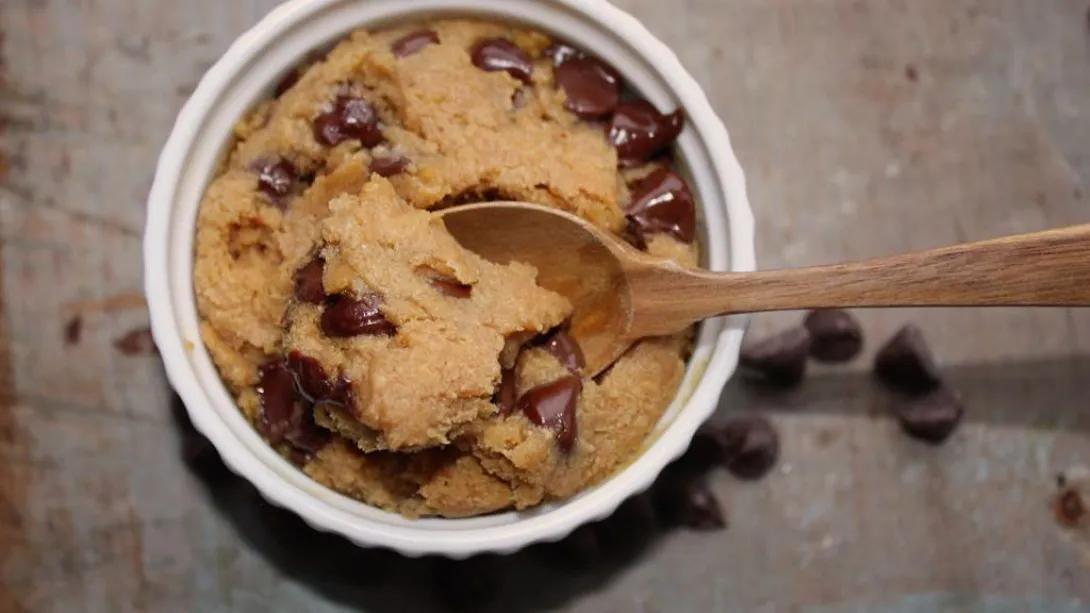
Cookie in a Mug (Recipe by Kate Scarlata)
Ingredients:
-
1 1/2 tablespoons gluten-free flour blend
-
2 tablespoons brown sugar
-
1 large egg yolk
-
3 tablespoons peanut butter
-
1 teaspoon vanilla
-
1/4 teaspoon baking powder
-
dash of salt
-
2 teaspoons softened butter (optional)
-
1 tablespoon chocolate chips
Directions:
-
In a coffee mug or small ramekin, add all ingredients except the chocolate chips and blend with a fork until creamy.
-
Fold in chocolate chips.
-
Cook in microwave for 1 minute. (Cooking times may vary by microwave.)
-
Allow the mug to cool for a few minutes.
Serves two

Health Lab
Explore thousands of health news & research stories by visiting the Health Lab homepage for more.
Media Contact

Public Relations
Department of Communication at Michigan Medicine
Stay Informed
Want top health & research news weekly? Sign up for Health Lab’s newsletters today!
Featured News & Stories
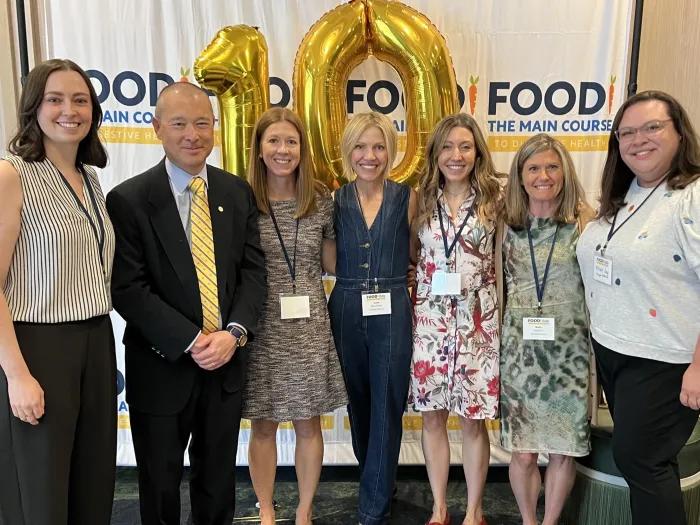
How gastroenterology nutrition therapy has evolved
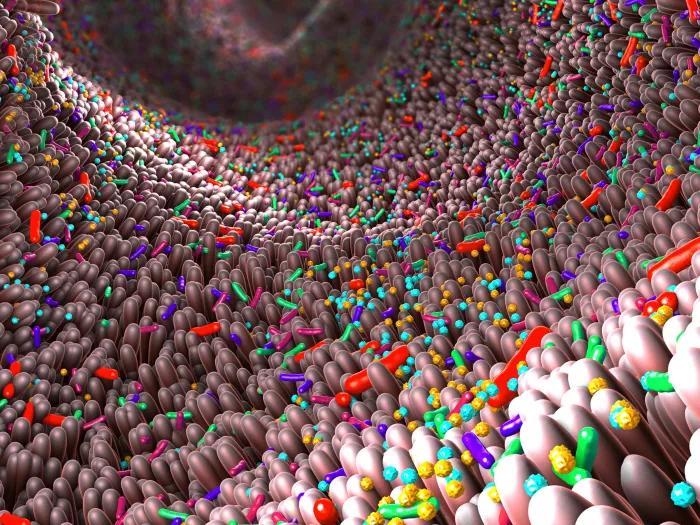
IBS treatment response predicted by gut microbiome in new study
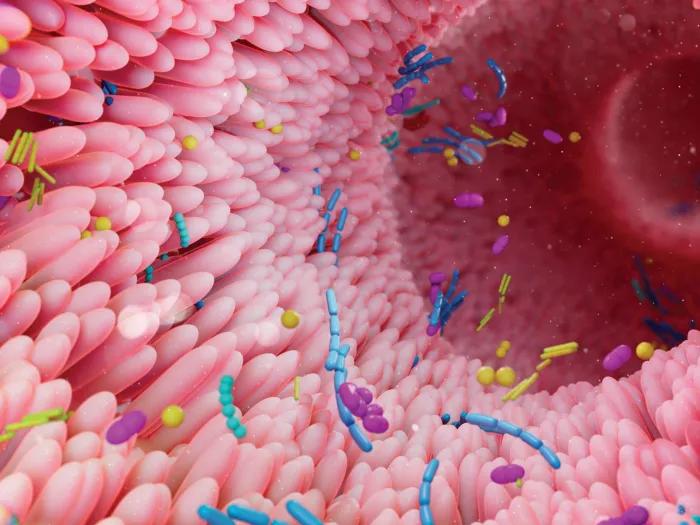
Low FODMAP diet improves leaky gut in study
Feeling anxious? Try this breathing technique
Is Stress from COVID-19 Upsetting Your Stomach? 7 Self Comfort Tips to Try