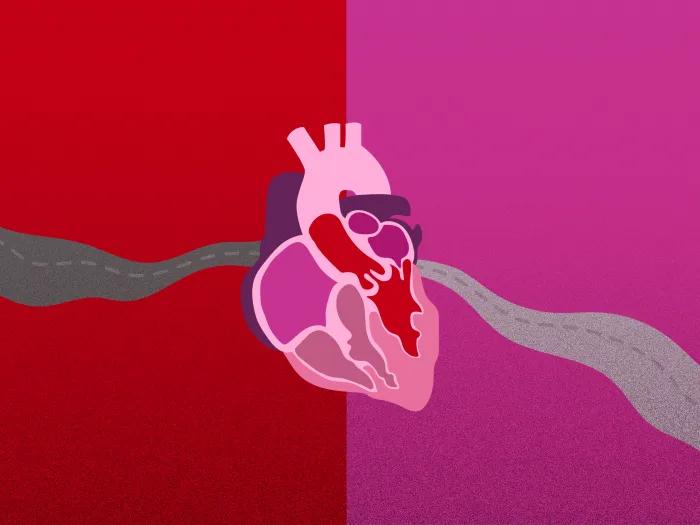
Loeys-Dietz syndrome – a rare and complex heart disease
A Michigan Medicine cardiologist shares important information about Loeys-Dietz Syndrome and the progress being made in diagnosing and treating this disease
5:00 AM
Author |
A rare disease is defined as any disease that affects a small percentage of the population. In the United States, a disease is classified as "rare" when fewer than 200,000 individuals are affected by it. According to the National Institutes of Health, there are approximately 6,500 to 7,000 known rare diseases affecting an estimated 25 million Americans.
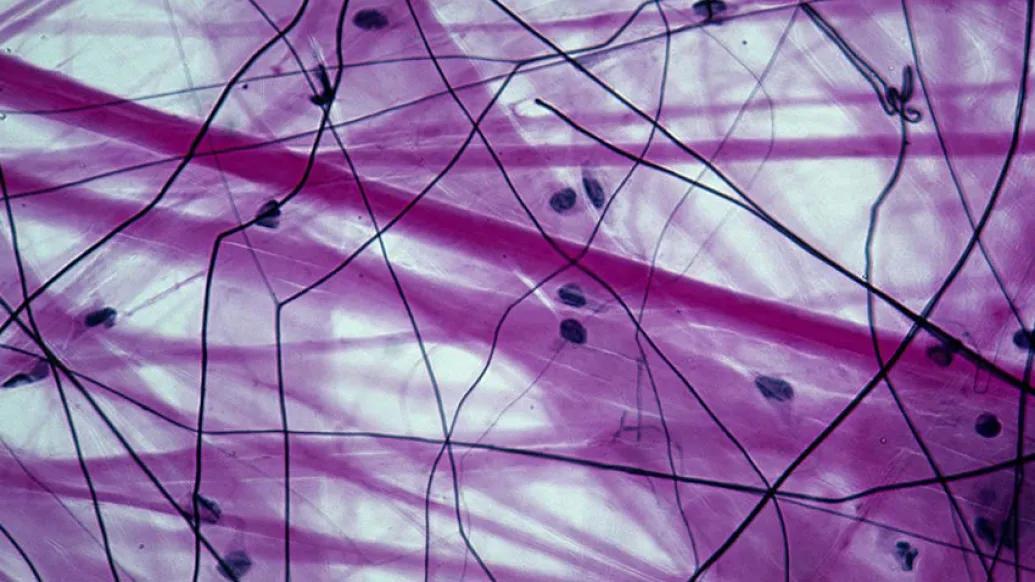
One of these is Loeys-Dietz Syndrome (LDS), a disorder of connective tissue that can affect blood vessels, including the aorta, as well as bones, joints, cognitive ability and internal organs.
Here, Michigan Medicine cardiologist Marion Hofmann, M.D., who typically treats 10 to 15 Loeys-Dietz patients each year, sheds some light on this complex rare disease.
What causes Loeys-Dietz Syndrome?
LDS is caused by a mutation in the TGFBR1, TGFBR2, SMAD3, TGFB2 or TGFB3 genes, as we know today. More could be identified in the future.
Who is affected by LDS?
Loeys-Dietz Syndrome is a genetic condition, but not always inherited. In patients with the condition, we usually recommend genetic testing of the parents and siblings to see if it is inherited or if it is a new mutation. If the parent or siblings of a patient diagnosed with LDS do not test positive for the genetic variant, we assume the variant is present for the first time in one family member. This occurs in approximately 75% of LDS cases. There is a 50% chance the gene will be passed on regardless of whether LDS was inherited or a first time mutation.
How is LDS typically diagnosed?
Because relatively common symptoms can camouflage LDS, the condition may go undiagnosed until a serious complication occurs. Patients might be diagnosed with Loeys-Dietz after an aortic aneurysm (a weakened or bulging area on the wall of the aorta) is found on a CT scan or echocardiogram, or after experiencing a life-threatening aortic dissection (a tear in the inner layer of the aorta) or a dissection in other arteries. If a patient experiences either of these vascular conditions, we would likely suggest genetic testing to determine if Loeys-Dietz Syndrome was the cause.
In approximately 20% of patients experiencing an unexplained aortic dissection, we find gene abnormalities, including LDS, that predispose to aortic disease.
MORE FROM MICHIGAN: Sign up for our weekly newsletter
Some patients, but not all, are diagnosed because of certain skeletal characteristics that point to Loeys-Dietz. These include a chest wall deformity in which the chest wall pushes outward or appears sunken, scoliosis, long and slender fingers, flexible joints, flat feet, translucent skin, abnormal scarring of the skin and a bulging or widening of the spinal sac surrounding the spinal cord. However, the spectrum of the disease is very broad and we're finding that not all LDS patients exhibit these characteristics.
Genetic testing confirms a suspected LDS diagnosis. Other similar disorders such as Marfan Syndrome and Ehlers-Danlos Syndrome can present similar characteristics, so genetic testing is important to differentiate these disorders. In recent years we've realized just how complex LDS is. As clinical genetic testing is more commonly used, diagnostic accuracy for LDS has improved and we're learning more about how LDS presents. For example, we're finding that family members carrying the same mutation are affected differently. Cardiac and genetic evaluation of all family members is important for patients with LDS to identify other relatives at risk for the condition.
How is LDS treated?
Patients with Loeys-Dietz need regular checkups and vascular imaging to identify high-risk situations that could lead to aortic dissection. We recommend medication to avoid high blood pressure, which puts stress on weakened areas of the aortic wall, lifestyle modifications and preventive surgery to treat aortic aneurysms deemed to be at high risk for dissection. Patients with LDS are typically prescribed beta blockers or angiotensin receptor blockers.
Like Podcasts? Add the Michigan Medicine News Break to your Alexa-enabled device or subscribe for daily updates on iTunes, Google Play and Stitcher.
Anyone experiencing an aortic dissection or an aneurysm requires lifelong care as they are more likely to have a future event. Patients with LDS require special counseling for family planning and during pregnancy.
Additional information comes from nationwide patient support groups and their symposiums. The U-M Frankel Cardiovascular Center, in collaboration with the Marfan Foundation, is hosting the Detroit regional symposium for Marfan Syndrome and related disorders on April 25, 2020.
Are cases of Loeys-Dietz Syndrome becoming more common?
We've been able to gain important knowledge about LDS and other aortic-related conditions through worldwide collaboration of researchers interested in LDS and aortic dissection in general. The International Registry on Aortic Dissection was launched in 1996 and the Montalcino Aortic Consortium was formed in 2013 to collect and share information about the genetic causes of aortic dissection. The next GenTAC Aortic Summit, which is committed to advancing research, education and treatment of heritable aortic diseases, will be held October 10 and 11, 2020, in Ann Arbor, Michigan, and will be hosted by Michigan Medicine cardiologist Kim Eagle, M.D. Through these resources, we're learning more about the condition and gaining insight into diagnosis and treatment advancements.
Importantly, 10-20% of patients with a history of what was thought to be sporadic or unexplained aortic dissections actually have an identifiable genetic cause, including LDS. Being able to pinpoint the genetic causes of disease is very powerful. It allows health care providers to use a gene-based medical management strategy, which is the goal of personalized medicine. Genetic counseling and potentially genetic testing is very important for family members of patients with unexplained aortic dissections as well as with Loeys-Dietz Syndrome.

Health Lab
Explore thousands of health news & research stories by visiting the Health Lab homepage for more.
Media Contact

Public Relations
Department of Communication at Michigan Medicine
Stay Informed
Want top health & research news weekly? Sign up for Health Lab’s newsletters today!
Featured News & Stories

Digital alerts support timely treatment decisions of critically ill cardiac patients

Is the United States Lagging Behind Europe in Memory Improvement?
Reducing infections after heart surgery could save Medicare $441 million per year
Young father survives aortic dissection after delayed diagnosis
C.S. Mott Children’s Hospital first in country to implant expandable heart valve during FDA review phase