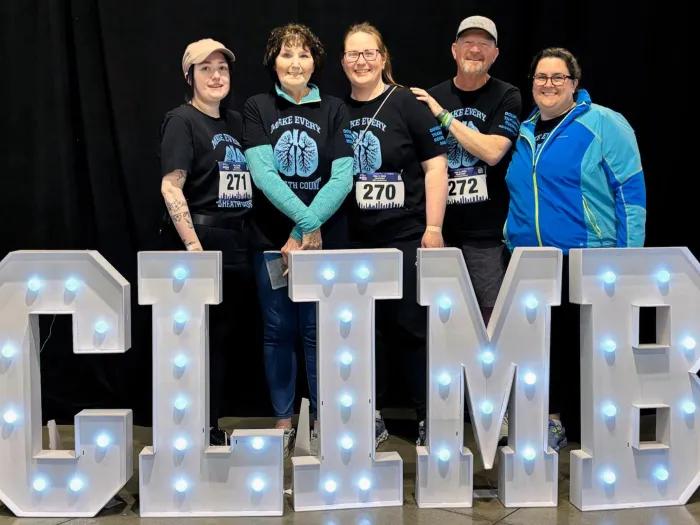
Liver transplant bonds 3 Michigan families
Two donors came forward for one liver donation. Now they’ve formed a lifelong connection
5:00 AM
Author |
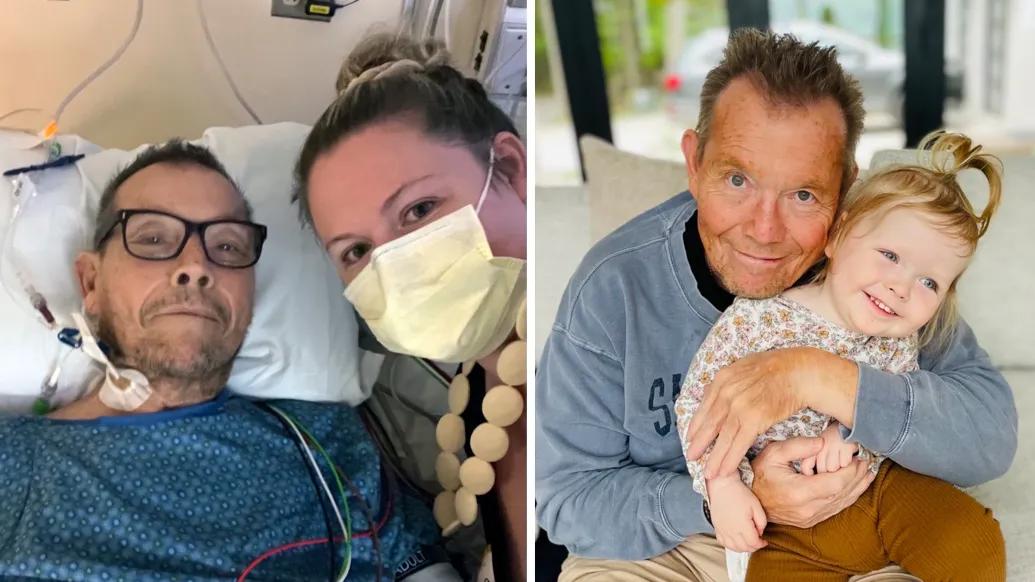
Scott Bryers knew he had felt ill for some time, but he had never been able to find a diagnosis that fit him.
That was until the summer of 2019 when he felt at his worst and was rushed to a local hospital.
Bryers’ hospital visit finally gave him an answer to his ongoing illness: he was diagnosed with decompensated liver disease, the most common form of liver disease in the United States.
Upon further inspection of the diagnosis, it was revealed that Byers needed a partial liver transplant to help treat his liver disease.
He joined the liver transplant list in 2019 and began the long process of waiting for a match.
Finding a donor
For three years, Bryers was on the transplant list waiting for a living donor to match.
During his wait, the COVID-19 pandemic hit, and Byers moved from the Chicago area to be closer to family in Saugatuck, Mich.
He decided to retire from his job to focus on his health and being with family.
Over the course of three years around 60 people applied to be a donor for Bryers, but none worked out.
His family continued to make posts through Facebook looking for potential donors in hopes that something might click.
“I had a few false alarms throughout the years where I would be ready for surgery and then learn that the liver was not viable and be sent home,” said Bryers.
“The more time passed, the harder it became to keep hoping there would be a match, but we just kept looking.”
In 2023, Kristin Potter was scrolling through Facebook when she found the post that Bryers’ daughter had made about searching for a partial liver donor for her dad.
“The post stated the list of requirements to apply to be a donor for Scott and I matched all of them,” said Potter.
“I just felt a call to look into it and learn more about what it would take to be a living donor.”
During Potter’s research, she was most surprised to learn that the liver regenerates on its own, so the portion that she would donate to Bryers would eventually regrow in her own body.
“I thought that was such a cool fact and felt solid in my choice to apply to be the donor after doing my research,” she said.
“My mom passed of cancer and all I could think was if she had needed a lifesaving organ, I would hope someone would have been kind enough to give that to her. I felt that Scott and his family deserved that same chance.”
Potter went through a series of blood work and MRIs at U-M Health before being told she was officially a match for Bryers. From there, Bryers was contacted and told the good news.
“Learning that I had someone who was willing to donate part of themselves to me was a feeling that is hard to describe,” said Bryers.
“Grateful doesn’t even begin to explain it. What Kirstin was offering to do was such a selfless act and I’m very thankful that she was willing to take the time to make sure she was a match for me.”
The day of the surgery didn’t go as planned though.
Potter was prepped and ready to go for surgery when she was told that the procedure was off.
“I didn’t know what had happened, but I just hoped he was okay,” she said.
After not hearing any further details, Potter decided to call Bryers’ daughter a couple of days later to find out what happened.
On the phone call, she learned that Bryers condition had progressed far enough where a partial liver donation wouldn’t be enough anymore; he instead needed a complete liver donation.
Just before the scheduled procedure between Bryers and Potter, he had received the news that his liver could no longer sustain a partial liver transplant.
“One of the limitations of a partial liver transplant, as is used in living donor liver transplantation, is that the smaller portion of the liver provides less support initially while it is growing,” said Seth Waits, M.D., a clinical associate professor of transplant surgery at University of Michigan Health and Bryers’ transplant surgeon.
“For patients who are more ill and/or have more severe complications of their liver disease such as portal hypertension, a larger whole graft provides a safer initial transplant course.”
However, Bryers had received a complete liver donation the same day their procedure was originally scheduled for, which is why hers had been called off.
A new donor
Close to the time of Bryers procedure, Sarah Shanks was living in Tennessee when she unexpectedly passed at 41 years old.
Her family was contacted by the hospital she passed at in Tennessee and was told that Shanks was an organ donor.
The family now had the opportunity to hand pick who her organs went to.
Otherwise, they would be handed out to those at the top of organ donor lists who would be a match.
Shanks’ sister, Mary Bouma, as well as her other siblings, placed a message on Facebook to see if anyone in western Michigan needed a liver.
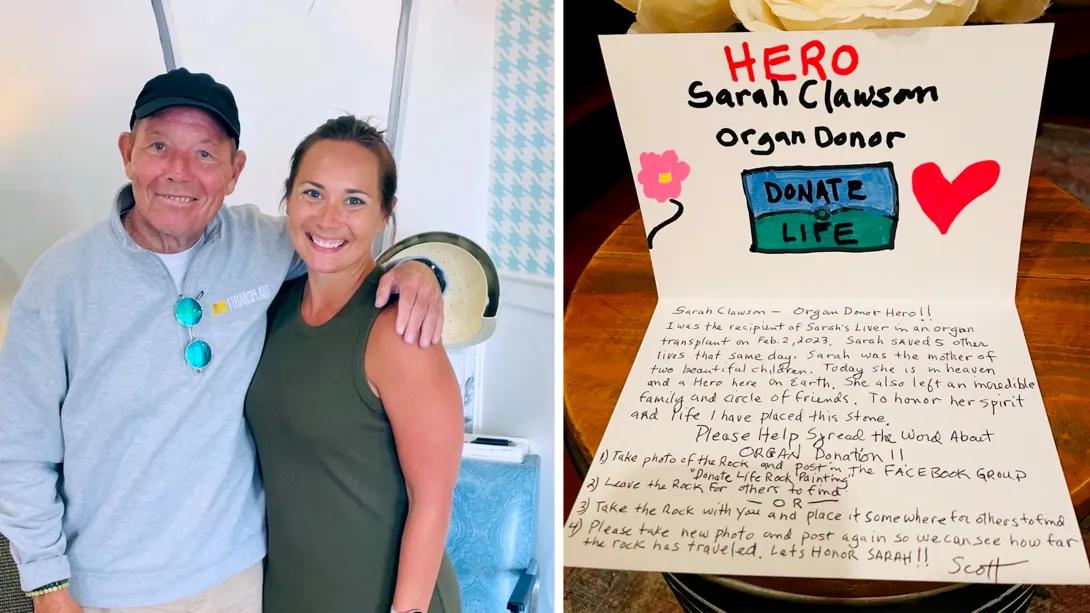
“Our family was hoping to have a part of Sarah live on by us in Michigan,” said Bouma.
“We were both born and raised here, and we felt that we could keep the memory of her alive her and help someone in need.”
The Bryers reached out to Bouma, and it was determined that Shanks was a match.
The liver was flown from Tennessee to Michigan for the procedure.
The day of the procedure was a quick turnaround for Bryers.
He learned that his original procedure with Potter was canceled due to him needing a complete liver transplant and not just a partial.
Then, just as he thought he was getting sent home, he was told there was a liver ready for him and he would be going into surgery that day.
“We were grateful that we could still make Scott’s procedure work with the new complete liver donation,” said Waits.
“In 2024 alone, University of Michigan Health has broken not only our own record for the number of adult liver transplants preformed in a single year, but the state of Michigan's as well. This is more than a number to us though, we want to make sure we use every opportunity to give people like Scott a fighting chance.”
“I’m grateful that Mary made the post that came to my daughter and I,” said Bryers.
“The donation from her sister changed my life and I’m also grateful that I could give back to them by helping keep the memory of her sister alive.”
After receiving his liver from Shanks, Bryers had little complications and was feeling better almost immediately.
Since his transplant he’s been able to get back to his favorite activities, such as helping with the nonprofit Fell In Love Farm on the west side of Michigan.
A continuous gift
Once Potter learned that the procedure still went through for Bryers, she decided to try again with her donation.
“I was happy that Scott was able to get the transplant that he needed,” she said.
“But now I had gone through this whole process, I didn’t just want to stop. I did my research to see if there was anyone else I could donate to and I was lucky enough to find someone.”
For Shanks, her organ donation went on to save a total of five lives with the donation of both her lungs, heart and kidneys in addition to the liver donation.
“Learning that Sarah was an organ donor was no shock, it matched her personality perfectly,” said Bouma.
“She was always a caring and giving person and I think it honors her legacy to know that she helped save multiple lives.”
Making lasting connections
Bryers is still close to Potter and Bouma after the liver transplant process.
“They were so willing to help me, and I want to make sure that they see the sacrifice of their gift is not lost on me,” Bryers said.
“It is important to me that we have some contact and just check in with each other from time to time at the least. To this day we all have a relationship and it’s a wonderful thing to have. It’s a unique experience to be able to bond over.”
In addition to staying in touch with Potter and Bouma, Bryers and his daughter are working on creating a system through Facebook to help mentor others on the organ transplant list who are looking for donors.
The group is called Another Tomorrow.
“When someone in your family or you need an organ transplant and no one in your family is a match, it can feel terrifying,” said Bryers.
“We have lived through that process and are thankfully past it. Now we want to share what we learned with others to help them fell less isolated in the process.”
Bryers found that the most taxing part of the organ transplant process was all the emotions involved: From being placed on the wait list, to knowing someone must choose to give you a part of their organ while still alive, to then coming to terms with someone needing to pass to give you a new chance at life – he found there was a lot to process and sometimes felt isolated doing so.
“I want to make sure others know that they are not alone with all the ups and downs and various emotions that come with this process,” he said.
“You need a support team around you when you are receiving a transplant and having been through the process I hope I can bring some comfort to those searching for it.”
So far, Bryers and his daughter have been working one on one with individuals they’ve met looking for organ donations through the three years that he was on the transplant list.
Sign up for Health Lab newsletters today. Get medical tips from top experts and learn about new scientific discoveries every week.
Sign up for the Health Lab Podcast. Add us wherever you listen to your favorite shows.

Health Lab
Explore thousands of health news & research stories by visiting the Health Lab homepage for more.
Media Contact

Public Relations
Department of Communication at Michigan Medicine
In This Story
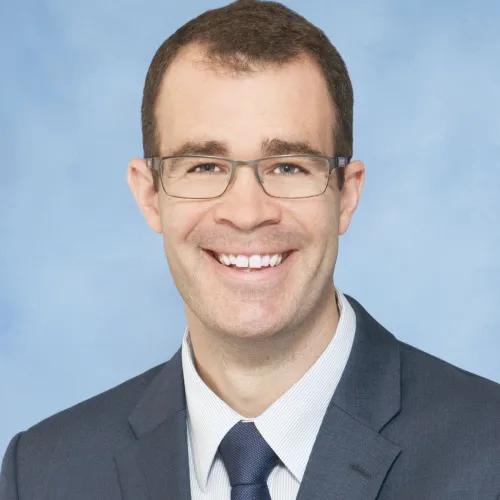
Seth A Waits
Clinical Associate Professor
Stay Informed
Want top health & research news weekly? Sign up for Health Lab’s newsletters today!
Featured News & Stories
A second chance at life
Exceptional response to immunotherapy gives patient with liver cancer more milestones to celebrate
Advancements and trends in lung transplantation
University of Michigan Health Liver Transplant Program Earns Top Five National Ranking for Transplant Access
State of Michigan allows tax credit for private employers of living organ donors