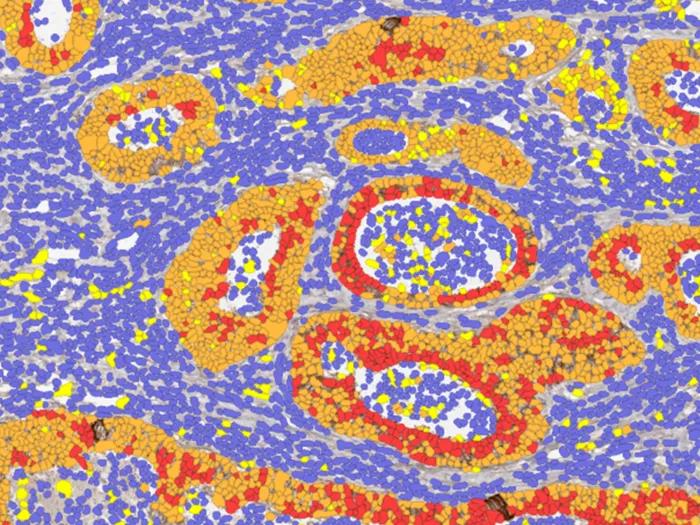
Liver cancer can be preventable. Do you know the treatable risk factors?
Several health issues tied to liver disease can be managed or treated before they lead to cirrhosis or cancer. A liver specialist explains the connection
12:53 PM
Author |

This story originally was published January 30, 2018 and updated on October 8, 2026.
Liver cancer diagnoses have more than tripled in the United States since 1980.
The culprit?
A perfect storm of treatable factors, one Michigan Medicine specialist says.
The prevalence of hepatitis C in baby boomers — as well as spiking rates of obesity, diabetes and excess alcohol consumption among all ages — is responsible, says Neehar Parikh, M.D., M.S., an Associate Professor and medical director of the University of Michigan Comprehensive Cancer Center's Liver Tumor Program.
Many boomers don't know they have hepatitis C because screenings of donated blood and organs were not available until 1992.
Hepatitis B is a major risk of liver cancer worldwide, but a large proportion people in the United States with hepatitis B do not know they have it.
The rise in obesity and diabetes in the population, Parikh notes, is linked to an uptick in metabolic dysfunction-associated steatotic liver disease, or MASLD, an accumulation of excess fat in the liver, which can lead to chronic inflammation and fibrosis.
In addition, recent trends in excess alcohol consumption have led to higher rates of alcohol related cirrhosis, which is another risk factor for liver cancer development.
"These trends have come to a head in the United States, so we're seeing more liver cancer as a result," he said.
Fortunately, MASLD, alcohol related liver disease, and viral hepatitis have promising outcomes if caught early, before they can advance to cirrhosis or liver cancer.
Silent risks of liver disease
Hepatitis C is a curable virus that spreads when people share blood — through the use of infected needles to inject illicit drugs, during sex or, although rare, during childbirth.
Hepatitis B similarly is transmitted blood to blood and sexual contact. It can also be spread at the time of birth from a mother to her baby.
Hepatitis B is prevalent in many communities from Asia and Africa, especially in those countries without universal vaccination programs and is treatable through use of antiviral medications.
But because symptoms seldom emerge in viral hepatitis and MASLD, patients may go undiagnosed for several decades.
By then, scarring of the liver or cirrhosis may have occurred, which can lead to complications including liver cancer.
Prevention of chronic liver disease: Lifesaving knowledge
The two main types of liver cancer, in which the cancer begins in the liver cells themselves rather than spreading to the liver, are hepatocellular carcinoma (also called hepatoma, or HCC) and bile duct cancer, or cholangiocarcinoma.
"These are highly morbid cancers we're talking about, with a less than 25% 5-year survival," Parikh said.
But, he adds, they don't have to be.
"Awareness about the underlying conditions is the key."
That requires patients to be proactive.
"Ask about hepatitis C or hepatitis B screening from your primary care doctor if you are a baby boomer, were a drug user or partook in other risky behaviors or have a family history of hepatitis B, or come from a country where hepatitis B is prevalent," Parikh said.
"Or ask to have a liver panel drawn if you are at risk of which MASLD or alcohol related liver disease is linked. We have non-invasive tests that can now tell us your risk of scar in the liver and subsequent liver cancer risk.
"With better recognition of chronic liver disease, we can prevent these liver cancer numbers from further increasing."
Learn more about patient experience and liver health and diseases at the Get Healthy Together event in October 2026: https://medresearch.umich.edu/events/get-healthy-together/2026-10-31.
To make an appointment with Michigan Medicine's liver clinic, call 844-233-0433.

Health Lab
Explore thousands of health news & research stories by visiting the Health Lab homepage for more.
Media Contact

Public Relations
Department of Communication at Michigan Medicine
In This Story
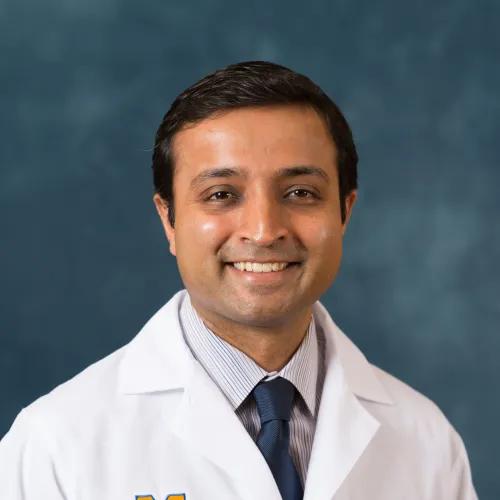
Neehar Dilip Parikh MD, MS
Associate Professor
Stay Informed
Want top health & research news weekly? Sign up for Health Lab’s newsletters today!
Featured News & Stories
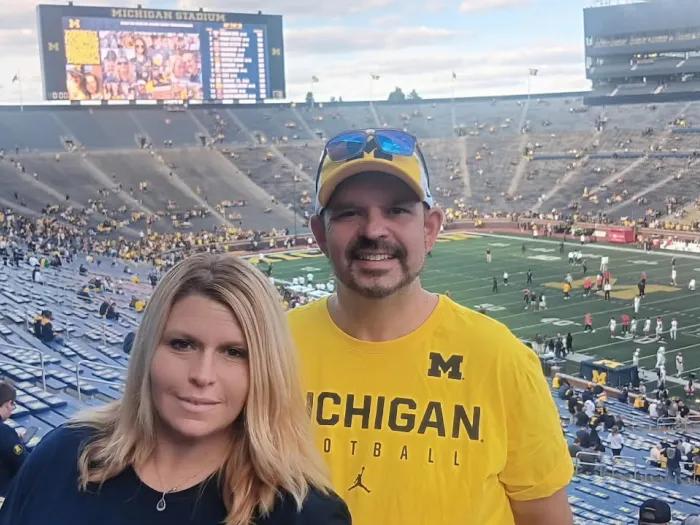
A second chance at life

Exceptional response to immunotherapy gives patient with liver cancer more milestones to celebrate
Prostate cancer and hereditary risk: A doctor explains the connection

How gastroenterology nutrition therapy has evolved
Evolving causes, diagnosis of drug-induced liver injury