How a Healthy Gut Could Lead to Better Bone Marrow Transplants
In a new study, researchers looked for alterations in the gut microbiome to see whether its metabolites could improve outcomes after bone marrow transplants.
1:00 PM
Author |
Could playing better defense make bone marrow transplants more successful?
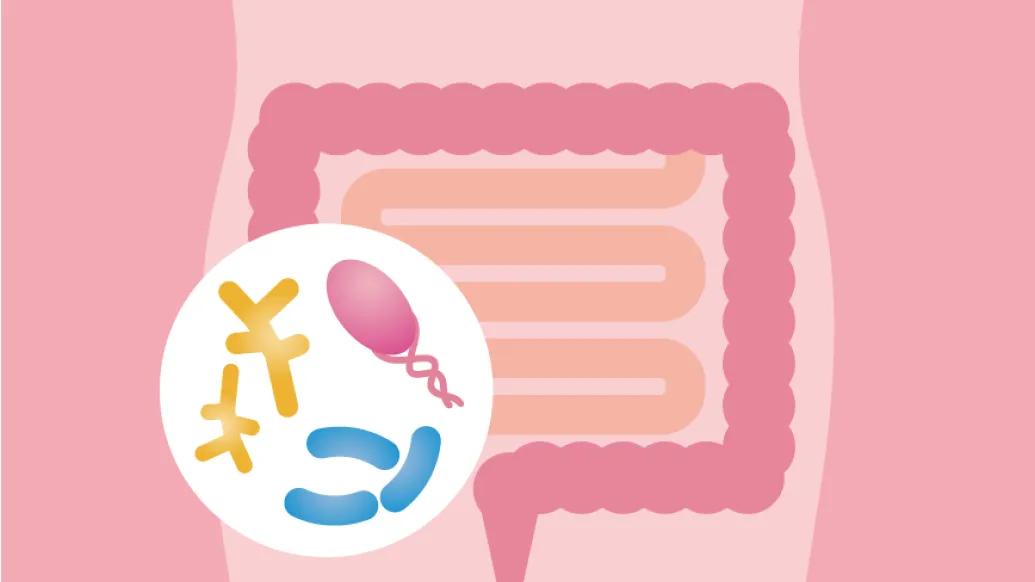
With this question in mind, researchers began looking at whether the trillions of little bugs and bacteria living in our gastrointestinal tract could be the key to playing defense.
Up to half of patients who receive a bone marrow transplant from a donor will develop severe gastrointestinal damage from graft-versus-host disease, a condition in which the donor cells attack the host's body. It's the reason why transplants — which can be very successful at eliminating cancers such as leukemia or lymphoma — are so risky.
In a new study, published in Nature Immunology, researchers looked for alterations in the gut microbiome to see whether its metabolites could improve outcomes after bone marrow transplant.
They found that a metabolite called butyrate was significantly reduced in the intestinal tract of experimental mice that received bone marrow transplant. When the researchers increased butyrate in these mouse models, they saw a decrease in the incidence and severity of graft-versus-host disease.
"Our findings suggest we can prevent graft-versus-host disease by bolstering the amount of the microbiome-derived metabolite butyrate," says study lead author Pavan Reddy, M.D., the Moshe Talpaz Professor of Translational Pathology and interim division chief of hematology/oncology at the University of Michigan.
This is a whole new approach. The idea is to make the host cells stronger, to be able to withstand the assault of the donor immune cells while reducing the risk of infection or leukemia relapse.Pavan Reddy, M.D.
"If the GI gut lining can remain healthy and strong, it can resist the attack by the donor immune system and hopefully prevent graft-versus-host disease," he adds.
The researchers found that shifts in the gut's microbes result in a decrease in butyrate. When they manipulated the microbes back to their original form, the butyrate would come back up and mitigate graft-versus-host disease.
Diet is one way to control butyrate production by the gut microbiome, specifically through resistant starch such as that found in potatoes. Researchers hope to begin a clinical trial later this year that will look at combining resistant starch with current methods of preventing graft-versus-host to assess whether they can increase butyrate — and reduce graft-versus-host.
Current methods of preventing graft-versus-host involve suppressing the immune system, which suppresses the ability of the donor immune system to cause graft-versus-host disease. But it also means that other normal immune system functions are suppressed. Those functions include fighting infections or preventing cancer from returning.
"This is a whole new approach. The idea is to make the host cells stronger, to be able to withstand the assault of the donor immune cells while reducing the risk of infection or leukemia relapse," Reddy says.
This study was funded by National Institutes of Health grants HL-090775, HL-128046, CA-173878.

Health Lab
Explore thousands of health news & research stories by visiting the Health Lab homepage for more.
Media Contact

Public Relations
Department of Communication at Michigan Medicine
Stay Informed
Want top health & research news weekly? Sign up for Health Lab’s newsletters today!
Featured News & Stories

U-M alumni return from Central Asia to seek treatment for their child at Mott
Path forward for glioblastoma treatment

The Future of Cell and Gene Therapies
Study sheds light on how early pancreas lesions become cancerous

Honoring the Heart of Care: Nurse Well-Being in Action