
History saved lives in this pandemic. Will society listen next time?
A medical historian whose team’s research on the 1918 flu influenced efforts to “flatten the curve” reflects on what the past three years have taught
2:03 PM
Author |
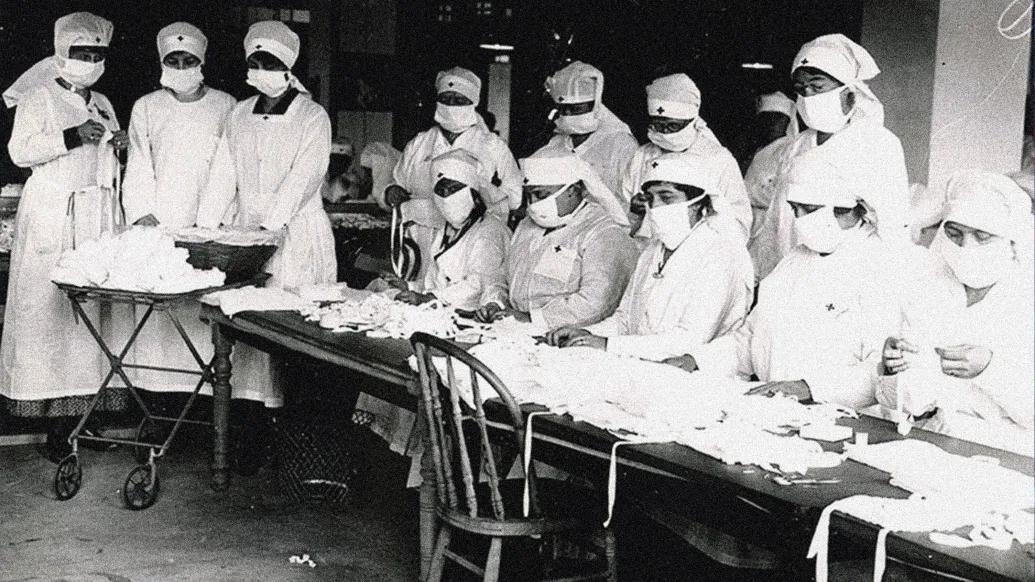
Three years ago, the world stood on the precipice of a pandemic.
And as scientists raced to learn more about the virus that caused it, and medical teams tried desperately to save its first victims, nations turned to an unlikely source for protection.
History.
In those early months, lessons from studying the 1918 influenza pandemic helped save as many as 1.7 million lives in the United States alone, research suggests. Other studies have made even greater estimates of infections prevented worldwide.
Those lessons were largely drawn in part from a study based at the University of Michigan Center for the History of Medicine. The team had found that steps taken in 1918 to reduce close indoor contact, encourage mask-wearing and increase ventilation had reduced the death toll.
In early 2020, their data informed efforts to keep the new coronavirus from spreading so quickly that it would overwhelm hospitals and clinics -- a concept the U-M team came to call “flattening the curve.”
And it worked, says Howard Markel, M.D., Ph.D., who led the U-M Medical School team that carried out the 1918 flu study with funding from the Centers for Disease Control and Prevention.
But now, looking back from the vantage point of three years, it’s clear that efforts to respond to future pandemics must use the recent history of COVID-19 as their main guide, he says.
That’s what he and others are now trying to help the Biden Administration’s COVID-19 response team do, by consulting on preparedness and response efforts.
“It’s not a matter of if we will have another pandemic, it’s a matter of when,” he said. “No one can tell where it’s going to come from, or when, or which virus – but it will happen.”
Learning from 1918
A physician and historian who has written dozens of books and essays on pandemics stretching back centuries, Markel is glad that the lessons revealed by the U-M team’s work had an impact during the height of COVID-19.
“History was incredibly helpful when informing us about social distancing, and it was really a privilege to be able to provide the numerical data to show that,” he said. “The participation in efforts to reduce spread around the world, before we had the tools we have now, was really remarkable and made a difference.”
Keeping society and healthcare afloat by heeding lessons from 1918 also bought time for scientists and companies to understand the virus, protect hospitals and infrastructure from beign flooded with patients, and develop vaccines and treatments.
In less than a year after the novel coronavirus was discovered, the first mRNA and traditional vaccines, and the first monoclonal antibody treatments, became available. The first rapid tests and oral medications were approved for use a few months later.
Learning from recent history
But the influenza virus and the novel coronavirus are very different from one another. And the political, information, medical and economic environments of the late 1910s and the early 2020s are light years apart.
The 1918 influenza research did show that resistance emerged to non-pharmaceutical interventions such as masking in public, as Markel’s colleague J. Alex Navarro wrote in a 2020 essay.
But it wasn’t anywhere near as vocal and visible as the resistance to mask-wearing and vaccination, and promotion of unproven remedies, that started early in the COVID-19 pandemic, says Markel. The fact that top-level political leaders engaged in this was especially damaging. Future pandemic responses may face the same – or worse, he warns.
Similarly, the team’s research showed that easing up on preventive measures too soon – which happened in some cities in 1918 and 1919 – also led to problems, as Navarro wrote in another piece, and Markel and Navarro wrote in the wake of a court ruling in Michigan regarding a governor’s ability to declare or extend states of public health emergency.
But in COVID-19 this happened much more broadly, Markel notes. So teams preparing for the next pandemic should harness recent data on the impacts of masking, vaccination and social distancing, and anticipate broad-based resistance to protective measures.
At the same time, some positive lessons have emerged from the past three years, he reflects.
The importance of basic biomedical research – scientists working in relative obscurity for decades on the biology of the coronavirus and the potential use of mRNA and monoclonal antibodies in vaccines and treatments --- paid off in powerful and rapid ways.
The increased communication between the medical community and public health community in the past three years has led to a greater recognition of how social, economic, geographic, political and environmental factors affect a person’s risk of disease and their likelihood of severe illness or death.
This newfound attention to the social determinants of health, Markel notes, may make it more possible to treat medicine and public health as a continuum, rather than two separate fields.
COVID-19 also revealed major shortcomings in funding for public health infrastructure that leaves society vulnerable to future pandemics, he says.
“This could be a golden moment to really fix the public health system -- or not,” he said.
Another key thing that wasn’t present in 1918, but that pandemic response must consider now and going forward, is the fact that millions of Americans now live with health conditions that 100 years ago, or even 30 years ago, would have killed them. And that means they’re more vulnerable to infections.
“People receiving chemotherapy, transplant patients, or people who are immunocompromised for other reasons, are still at risk right now, especially in light of the new viral variants,” said Markel. “Everyone wants to move on from COVID-19. But if we’re all in this together, then we’re all in this together – not just when it’s convenient for some.”
Continuing to develop treatments and vaccines that provide protection against new strains of coronavirus will help protect the vulnerable, he says. It could also help sustain the industrial infrastructure needed to respond to the next pandemic.
The U-M team studied a lot of newspaper coverage from 1918 and 1919 to perform their research, because that was the main mass communication method of the day in pre-radio, pre-television days. The COVID-19 experience, says Markel, has shown the importance of using modern communication platforms to get good information out and counteract misinformation that has been rampant, and studying how people get and decide to act on information about health threats.
No matter what pandemic disease emerges next, learning lessons from the COVID-19 experience and not succumbing to the “global amnesia” that has happened after previous pandemics, will be critical, says Markel.
“As humans, we don’t want to think about scary, terrible things,” he said. “But we need to stick together for the greater good, and have faith in medicine, science and public health. That’s the only way we’re getting out of this pandemic, and the ones that are coming.”

Health Lab
Explore thousands of health news & research stories by visiting the Health Lab homepage for more.
Media Contact

Public Relations
Department of Communication at Michigan Medicine
Related
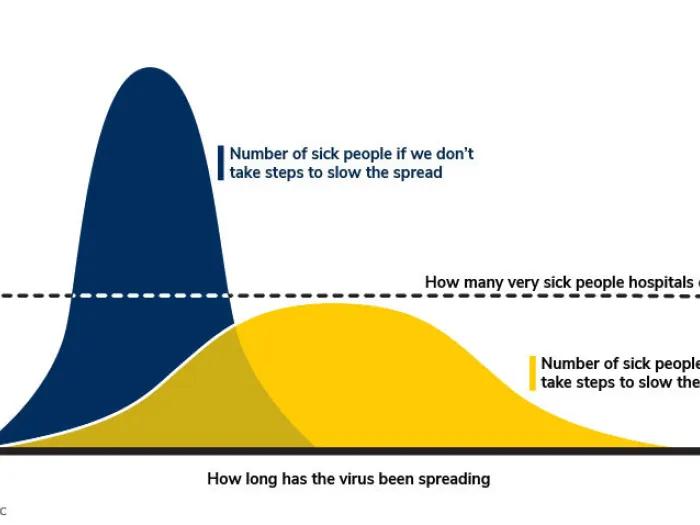
Flattening the Curve for COVID-19: What Does It Mean and How Can You Help?
Stay Informed
Want top health & research news weekly? Sign up for Health Lab’s newsletters today!
Featured News & Stories

E-Bikes are everywhere, but most parents say they don’t know enough about them
Have an MCAS diagnosis? Well, maybe not
Reducing infections after heart surgery could save Medicare $441 million per year
Study reveals the work and health insurance roller coaster millions of Americans ride
The Care Ecosystem: Supporting People Living with Dementia and Their Families

