To Help Your Teen Drive Safely, Follow the ‘S-M-A-R-T’ Method
Simple behaviors can make a big difference behind the wheel. Use this checklist to teach your new motorist good habits.
7:00 AM
Author |
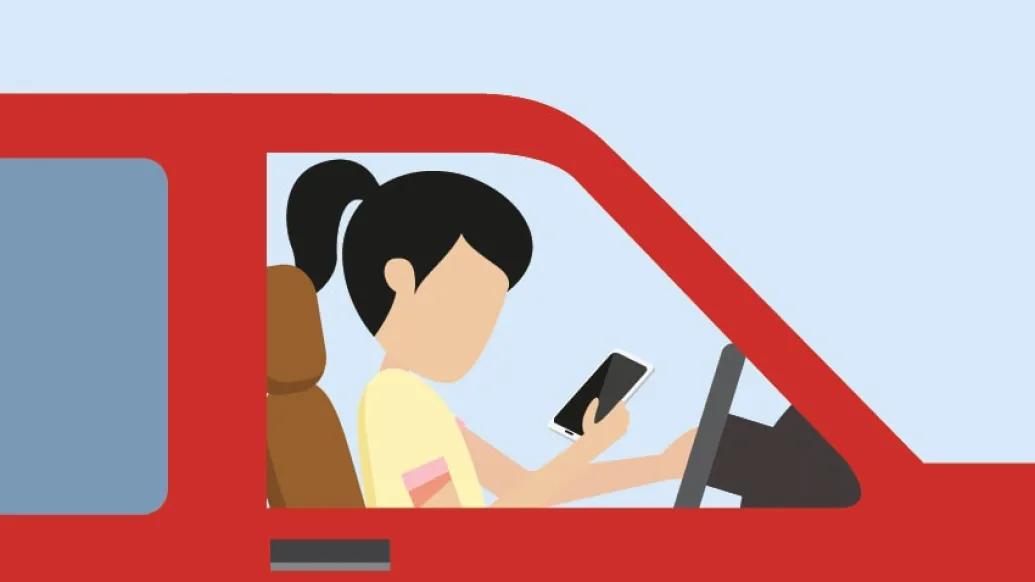
As the parent of a new teen driver, there's plenty to worry about.
You might question your teen's skills behind the wheel. Or you're concerned they'll become distracted by a cellphone, other passengers or trying to eat while on the road.
MORE FROM MICHIGAN: Sign up for our weekly newsletter
Rather than simply hoping (or fretting) that your teens reach their destinations safely, you can begin the conversation now by teaching them about common distractions — and how unsafe behaviors can lead to a crash.
The Pediatric Trauma Program at University of Michigan C.S. Mott Children's Hospital has ideas to help.
Consider these "S-M-A-R-T" tips for preventing distracted driving:
Teens and safe driving: the S-M-A-R-T method
[S]tay focused on driving
- Keep your eyes on the road
- Scan surroundings for hazards
- Keep both hands on the wheel
- Check for blind spots
[M]ake preparations before you begin
- Secure children and pets
- Find your sunglasses
- Store loose items
- Set the stereo, navigation tools and climate controls
- Complete personal grooming or adjust clothing
- Fasten your seat belt
[A]void all other activities
- Don't use your phone
- Wait until the vehicle is stopped before:
- Looking for loose items
- Changing vehicle controls (air conditioner, mirrors, etc.)
- Searching for music or changing the radio
- Consuming food or drink
- Reading a map or adjusting a GPS
[R]ely on passengers
- To make phone calls or texts
- To navigate your route
- To secure pets or help children
- To look for things in the vehicle
- To adjust radio or climate controls
[T]ext or talk later — leave your phone alone!
- Create a calm environment inside the vehicle
- Ask friends and family not to contact you when they know you'll be on the road
- Let others know that you don't talk on the phone or text while driving
- Return the favor: Don't call or text other drivers
Other ways to help
Families can request a teen driving kit from Mott's Drive Smart website. The kit includes a free "cell keeper" bag to hold your teen's phone while he or she drives.
SEE ALSO: Parents' Top 10 Children's Health Concerns (and How to Handle Them)
The campaign offers a Parent-Teen Driving Agreement for young drivers and their parents to keep each other accountable for maintaining good habits.
There's also Distractions Avenue, a simulation game to see how quickly you and your teen can choose to avoid distractions and arrive safely at your destination.
Most important, model safe driving behaviors yourself so your teens learn by example.

Health Lab
Explore thousands of health news & research stories by visiting the Health Lab homepage for more.
Media Contact

Public Relations
Department of Communication at Michigan Medicine
Stay Informed
Want top health & research news weekly? Sign up for Health Lab’s newsletters today!
Featured News & Stories

Galens Tag Days celebrates 100 years of helping kids

From 20 seizures a day to more time for play: How personalized epilepsy care helped young patient

Type 1 diabetes does not mean sitting out for 10 year old

More babies with hypoplastic left heart syndrome surviving critical period between surgeries

Distance, insurance, social factors may hinder access to lifesaving heart monitoring for children