Heart transplant gives 10-year-old cancer survivor new life
After successfully treating his acute myeloid leukemia as an infant, William Goff started to experience signs of heart failure from chemotherapy as a child
5:00 AM
Author |
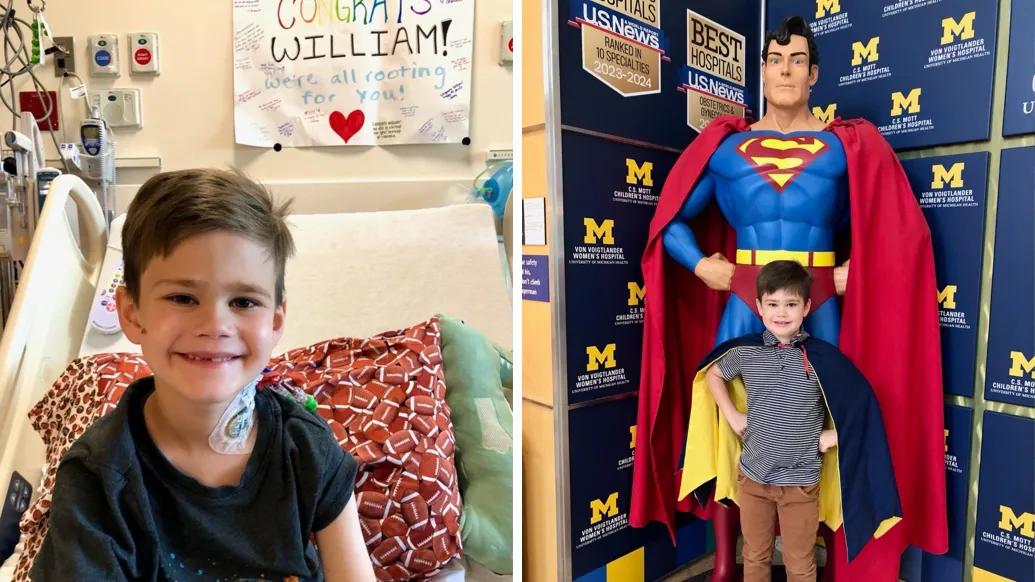
10-year-old William Goff isn’t a kid that can sit still easily.
From baseball to student council, he always has an activity to do.
Almost three years ago, though, this wasn’t the case.
William was experiencing heart failure symptoms from restrictive cardiomyopathy, which affected his energy levels and his ability to participate in normal activities without experiencing shortness of breath.
From cancer to cardiology care
At 5-months-old, William was diagnosed with acute myeloid leukemia.
The Goff family spent the next few months at University of Michigan Health C.S. Mott Children’s Hospital getting him the treatment he needed to successfully defeat his cancer.
“When treatment was over, his team did tell us they wanted to monitor his heart as he aged,” said William’s mom, Stephanie Goff.
“The chemotherapy had successfully defeated his leukemia, but had put a strain on his heart.”
As his chemotherapy started to end, the Goffs were introduced to Heang Lim, M.D., a Clinical Associate Professor of Pediatric Cardiology at U-M Health C.S. Mott Children’s Hospital, who specializes in treating children who have cardiac complications as a result of their cancer-related treatment.
“William’s initial problem was that the squeeze of his heart was affected by the chemotherapy that he received, but after starting on medication, his heart function returned to normal,” said Lim.
“For many years, his heart compensated for this and he did quite well.”
It was five years after William’s chemotherapy treatment that his cardiology team started to have new concerns over his heart function.
“We started to notice some changes in the squeeze of his heart, but more worrisome was that, we were seeing signs on his echocardiogram that made us concerned that his heart was also not relaxing normally, which is a condition called restrictive cardiomyopathy,” said Lim.
“This impaired relaxation can interfere with how well the heart works, which affects how efficiently blood is delivered to the rest of the body.”
William’s care team performed a cardiac catheterization to confirm what they were seeing on his echocardiograms and found that the pressures inside of his heart were high, as well as the pressures within the blood vessels of his lungs.
These changes are progressive and not reversible, and over time, lead to advanced heart failure.
The pressures in his heart and lungs were so high, the cardiology team felt he needed a heart transplant soon.
By the age of seven, it became apparent that William would most likely need a heart transplant.
“My mom and dad explained to me that the two options were being on a lot of intense medication or having a heart transplant,” said William.
“I didn’t know what a heart transplant was, so I told them I wanted to take the medication!”
Despite his wishes to take the medication, William’s parents and cardiology team were able to explain to him why a transplant was best and begin the process of evaluating him for a heart transplant.
Given his heart failure symptoms, he was admitted to Mott where he received IV medications to help his heart function better while he waited for his heart transplant.
A holiday transplant
Within four days of being listed for a transplant, Stephanie Goff got a call in the middle of the night that there was a heart for William.
“I remember being woken up and told that they had a heart for me and my first thought was, ‘already?’” said William.
“I tried to hide in the bathroom! But eventually the nurses and my parents convinced me to come out, and I went to have my surgery.”
On July 4, 2023, William received his new heart.
“We definitely celebrate the Fourth of July different now,” said Jared Goff, William’s dad.
“Those fireworks that are shaped like hearts are extra special.”
After his procedure, William slept for about four days while his body recovered, much to his dismay.
“He was quite upset when he found out he had slept for four days, he felt like he had missed so much,” said Stephanie Goff.
When he awoke, there was a bit of a learning curve when it came to sitting and walking.
“If I sat up, I would fall over and walking was hard,” said William.
“My chest muscles weren’t very strong, and I had tubes in my chest as well. I could also hear my heartbeat because my heart was so big.”
According to Lim, donor hearts can come from someone up to twice the size of the recipient.
In William’s case, having a bigger heart meant giving his body extra help when it came to pumping blood against the high pressures in his lungs.
Upon coming home, William was able to tell a difference in how his heart felt.
Despite still being in pain, he told his parents that he could breathe better and that his heart felt better.
Adjusting to life after transplant
While William was feeling better, the next year was a bit of a challenge.
“Receiving the transplant is a gift that we are forever grateful for, but after the transplant your life changes,” said Stephanie Goff.
“We were extra cautious about William being around anyone that was sick, watched what he ate, he was taking a total of 14 pills and we all felt very concerned about protecting the gift that we had been given. It took about a year for all of us, especially William, to adjust to life post-transplant.”
According to Stephanie and Jared Goff, William’s care team had a crucial reminder that helped them through that first year and any hurdles after.
“His team has kept reminding us that from the beginning this transplant wasn’t only so he could live, but so he could go live his life with no restrictions,” said Stephanie Goff.
Over the past two years, William has made sure to live life to the fullest.
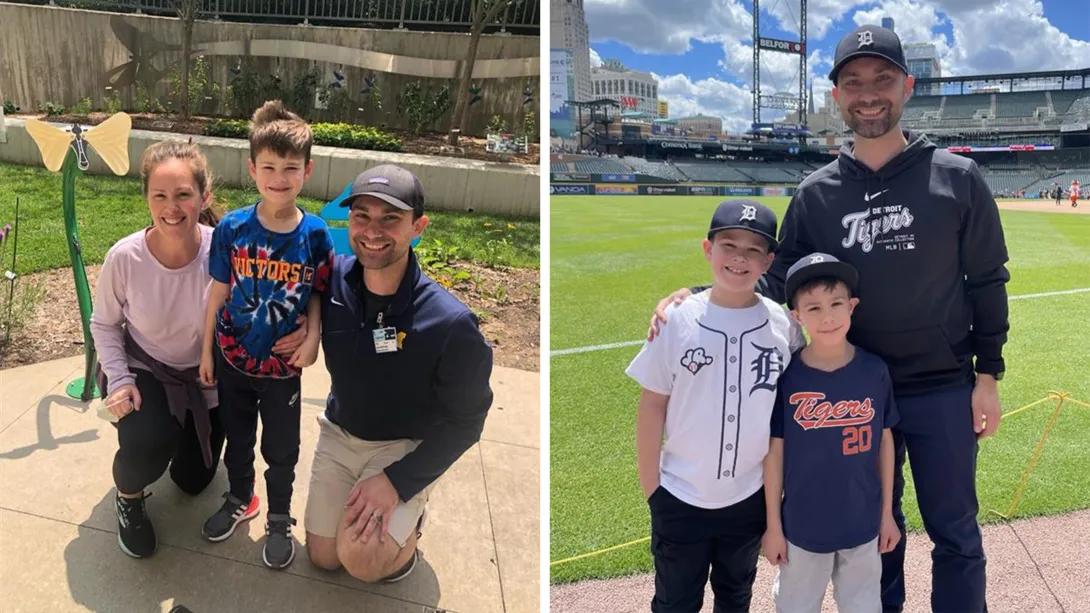
He participates in baseball, basketball, theatre, student council, swimming and riding his scooter and bike.
He has also tried his hand at golf, soccer and hip hop dancing.
“While life after transplant comes with doctors’ visits, labs and testing, we do this because our ultimate goal is to give patients a better quality of life,” said Lim.
“If we give a child a heart transplant and then continue to restrict them from participating in childhood activities, what quality of life have we improved?”
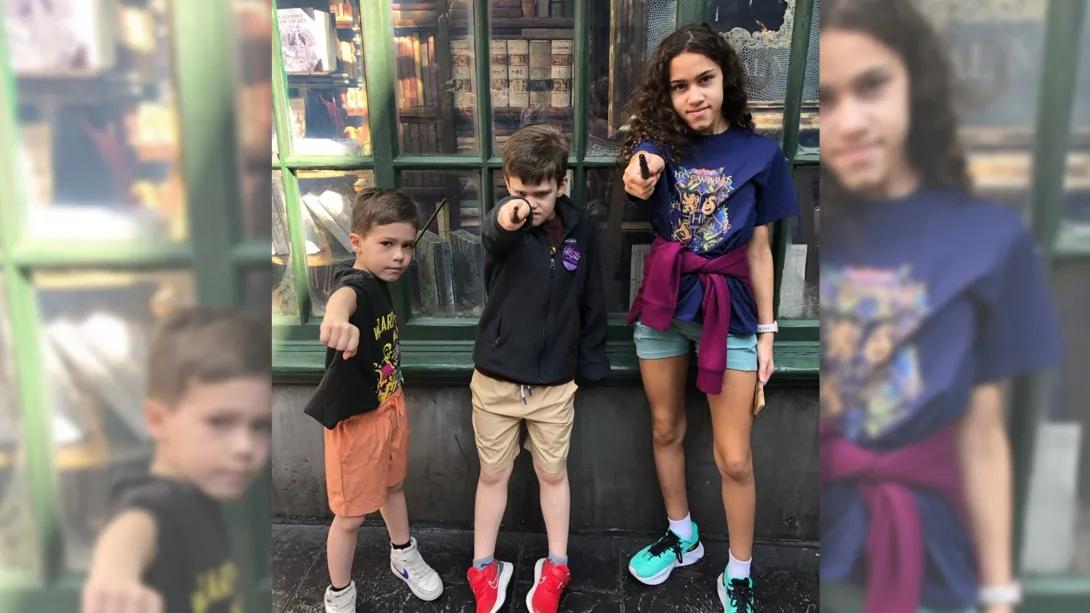
One of William’s favorite activities since having his transplant has been attending Camp Michitanki each summer.
Transplants can be an isolating experience, especially for children who may not have many peers who have experience with what they have gone through.
Camp Michitanki is built for children who have received solid organ transplants to be able to experience the fun of overnight summer camp while interacting with peers who have had similar experiences to theirs.
“I think camp has been one of the most helpful things for William,” said Jared Goff.
“Seeing kids who have had similar experiences to his in a fun environment helps take some of the weight of having had a transplant off.”
William’s favorite part of camp is being able to swim, and he has a collection of playing cards he has successfully shot through while participating in archery.
For the Goffs, transplant has changed their lives in a positive way, but this doesn’t mean that it isn’t a difficult road to navigate.
“I feel very humbled by this whole experience,” said Jared Goff.
“When I got my license as a teen, I remember checking the box to be an organ donor without really thinking about it. I never thought when I checked that box that my best buddy would be on the receiving end of an organ donation.”
“Going through the transplant process with your child feels a bit like watching your kid grow up,” continued Jared Goff. “There are things I miss from before the transplant, but there are things I love now after the transplant.”
Stephanie Goff shares a similar sentiment.
“It’s very somber. We are incredibly grateful to the family that made that choice to donate a heart in one of their most difficult moments,” she said.
“We have now been touched by the gift of organ donation and have a new understanding of it. We also understand how it changes your life forever on the other side.”
The Goffs also extend their gratitude towards the various care teams that took care of them while they stayed at Mott for both chemotherapy treatment and transplant care.
“Going through a transplant and chemotherapy include many difficult moments for both the child and parent,” said Stephanie Goff.
“The nurses, nurse practitioners, child life specialists and more were always there to be a shoulder to lean on for support anytime of day or night. They all helped our family navigate these challenging moments and we are so grateful for all the wonderful work they do.”
While William will need to continue seeing cardiology for the foreseeable future to ensure he’s healthy, his transplant has allowed him to stay out of the hospital and spend more time exploring sports, participating in clubs at school and staying active with his family and friends.
To learn more about organ donation, visit Wolverines for Life.
Sign up for Health Lab newsletters today. Get medical tips from top experts and learn about new scientific discoveries every week by subscribing to Health Lab’s two newsletters, Health & Wellness and Research & Innovation.
Sign up for the Health Lab Podcast: Add us on Spotify, Apple Podcasts or wherever you get you listen to your favorite shows.

Health Lab
Explore thousands of health news & research stories by visiting the Health Lab homepage for more.
Media Contact

Public Relations
Department of Communication at Michigan Medicine
In This Story

Heang Lim, MD
Clinical Associate Professor
Related
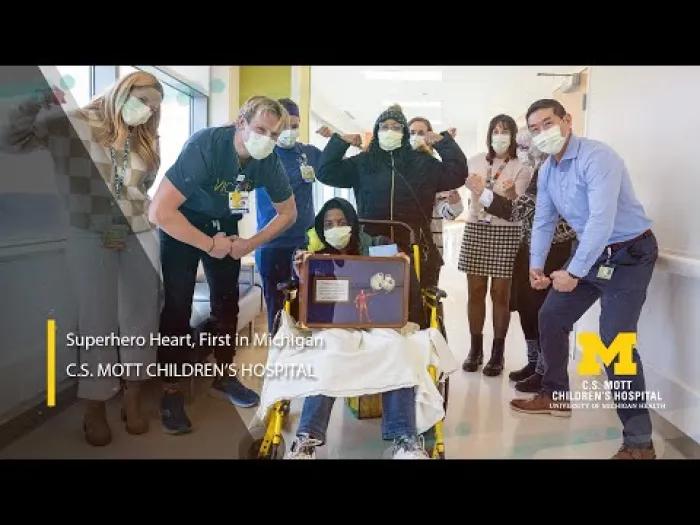
10-year-old becomes first child to receive total artificial heart in Michigan
Stay Informed
Want top health & research news weekly? Sign up for Health Lab’s newsletters today!
Featured News & Stories
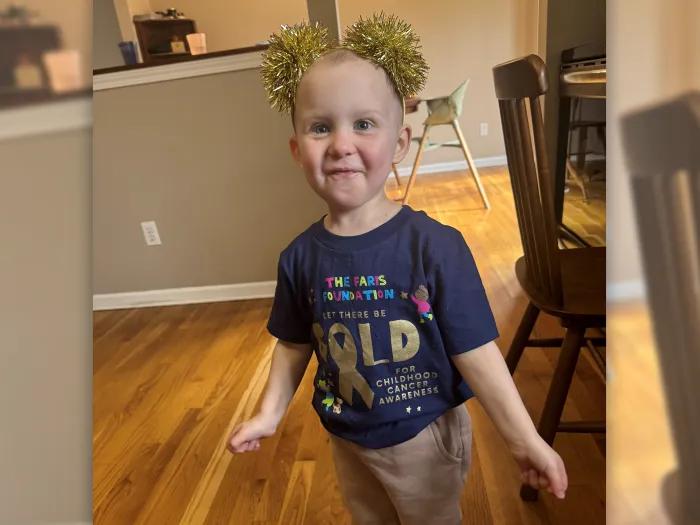
U-M alumni return from Central Asia to seek treatment for their child at Mott
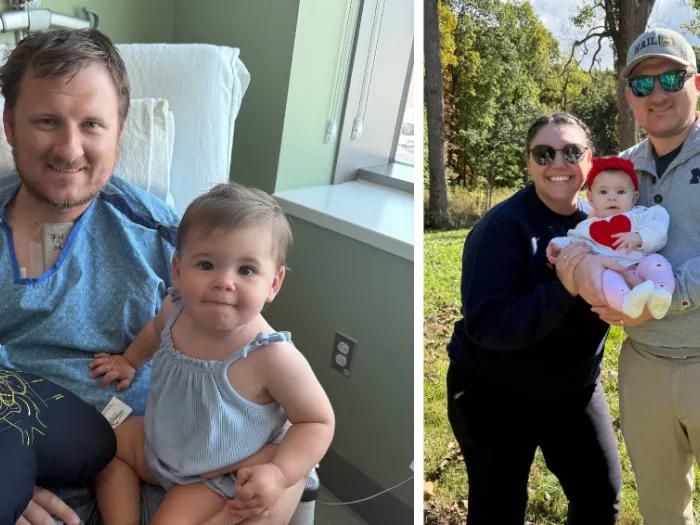
Young father survives aortic dissection after delayed diagnosis
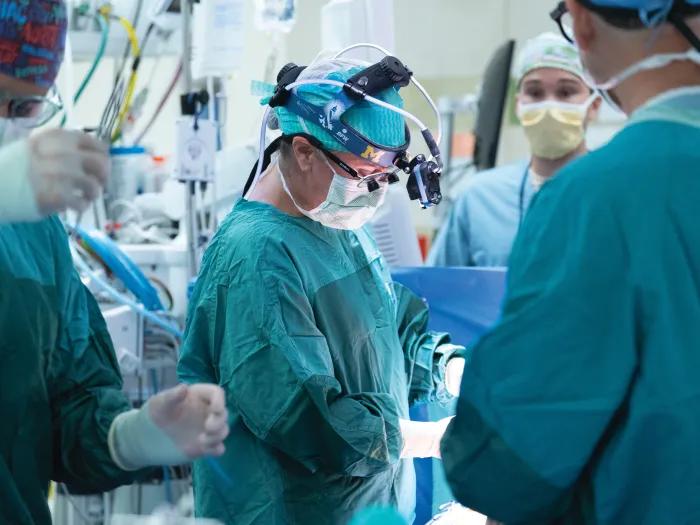
C.S. Mott Children’s Hospital first in country to implant expandable heart valve during FDA review phase

Many parents face challenges getting kids to eat a healthy breakfast before school
Helping kids with ADHD thrive in school