Hantavirus: Do we need to worry about this rare infection?
U-M’s Emily Abdoler shares her insights into the latest hantavirus outbreak and concerns
9:45 AM
Author |
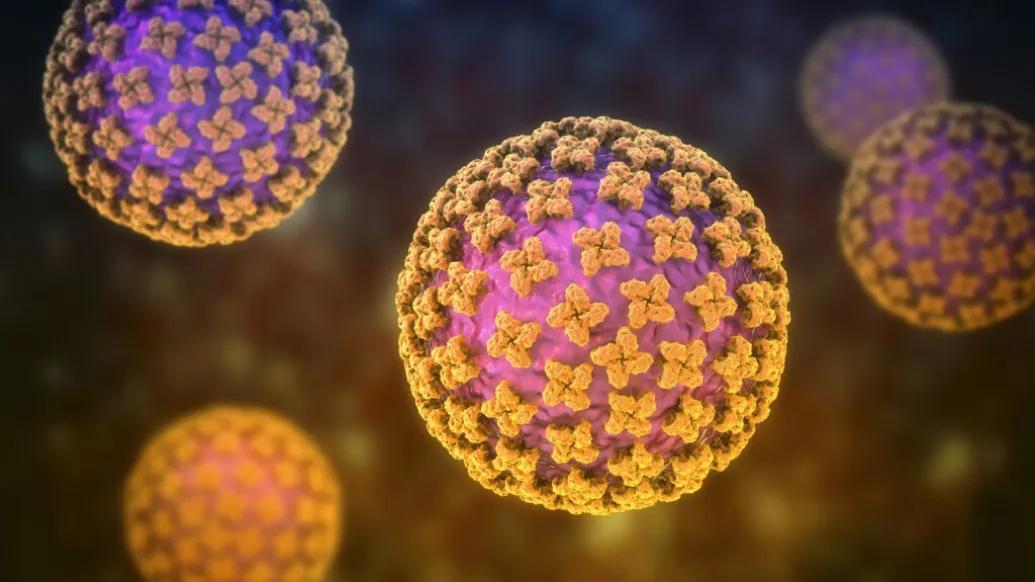
Dr. Emily Abdoler never expected to be fielding calls from all around the world to talk about hantavirus, but as the mystery of a seeming outbreak on a cruise ship began to unfold, her notifications began to relentlessly ping.
“I think the public right now, especially, is so tuned in to communicable diseases, especially ones that they maybe haven't heard of until now,” she said. “I’m doing these interviews as a public service to try to reassure people that this shouldn't be on their top 100 list of worries.”
Abdoler, clinical associate professor of medicine with U-M Medical School and an infectious disease physician with U-M Health, diagnosed a case of hantavirus pulmonary syndrome in a patient in Washtenaw county back in 2021.
And when actor Gene Hackman and his wife were found dead, his wife having succumbed to the rare virus, she co-authored a patient education page in JAMA along with U-M’s Dr. Preeti Malani.
Her message to the public is to not panic–and to acknowledge that public health is vital to managing the ever-present threat posed by communicable diseases.
What is hantavirus?
Hantavirus refers to a group of viruses that are typically spread by rodents. Different hantavirus species are in different parts of the world. Rodents of many species become infected but are themselves relatively unaffected.
“They can infect each other, and then the viral particles are in their saliva, droppings and their urine,” said Abdoler. Most exposures occur when a person inhales dried droppings. Such was the case in Michigan, where the patient had been cleaning an abandoned house with a rodent infestation.
What are the symptoms of hantavirus?
Hantavirus can lead to different symptoms, depending on where geographically a person was exposed.
In the Americas, infection with hantavirus first leads to symptoms like fever, headache, muscle aches, and abdominal symptoms like diarrhea. When the infection becomes severe, patients can later develop hantavirus pulmonary syndrome - with shortness of breath, cough, and ultimately respiratory failure.
In Europe and Asia, symptoms can also present as fever, chills, abdominal pain and later progress to internal bleeding and kidney failure, what is known as hemorrhagic fever with renal syndrome.
“Hantavirus tends to be more deadly on this side of the world,” said Abdoler. “But there are very few cases…only 890 reported cases in the United States since tracking started in 1993. Whereas, you see larger numbers of cases in Europe and Asia, but some of those strains are not as deadly.”
While the vast majority of hantavirus cases are due to some interaction with rodents, the species that is reported to have affected the cruise ship is the Andes virus, which circulates in Argentina and Chile and has had documented human-to-human transmission. However, spread occurs typically under conditions of very close, prolonged contact. That kind of contact was likely on a cruise ship with shared quarters.
How is hantavirus treated?
There is no specific treatment for hantavirus, just supportive treatment for symptoms and support of breathing and circulation. However, if you believe you have been exposed, early supportive treatment can be lifesaving.
“If you know you've just cleaned out a shed full of rodent droppings or you work in a setting where you are exposed to wild rodents, and then within a couple weeks, if you have a flu-like illness, I would let your doctor know,” said Abdoler. “Because it's that early initiation of supportive care–getting oxygen the minute you need oxygen and support for low blood pressure–that can be really helpful.”
How can you prevent exposure to hantavirus?
Abdoler says to be mindful and avoid entering rodent infested areas. If you can’t avoid it, “wet the area down with bleach solution, wear gloves, and wash your hands afterwards. Don’t do dry sweeping because that can stir-up infected droppings that can then be inhaled. Wear a mask and ventilate the area well before cleaning if possible.”
Do I need to worry about my travel plans?
If you’re traveling on a cruise ship, chances are much greater that you’d be exposed to norovirus, a highly contagious illness that causes nausea, vomiting and diarrhea than hantavirus, says Abdoler. Similarly, those who are flying are more likely to be exposed to an upper respiratory infection, like a cold, than hantavirus.
“I’m more concerned with exposure to things like measles, with their recent outbreaks,” said Abdoler.
Final thoughts about hantavirus
More than anything, this recent hantavirus outbreak reminds us of how interconnected the world is, noted Abdoler.
“This is why public health is so important: public health officials are doing the contact tracing, doing the investigation and providing guidance about who needs to isolate,” she said. “Having a coordinated response is critical to balancing caring for the people impacted and not being overly burdensome to them. It’s about protecting the public and moving swiftly and smartly in an uncertain situation,” she said.
Furthermore, we need to continue to invest in the study of diseases, no matter where they occur in the world. “Every time we study any kind of infectious agent, I think we learn lessons that we can apply to other places. This research will be helpful to us when there's another big pandemic,” she said.
“I think investing in research is really important and has repercussions that we can't even anticipate–because we never know what’s going to come up next.”
Paper cited: Abdoler EA, Malani PN. What Is Hantavirus? JAMA. 2025;334(1):98. doi:10.1001/jama.2025.5014

Health Lab
Explore thousands of health news & research stories by visiting the Health Lab homepage for more.
Media Contact

Public Relations
Department of Communication at Michigan Medicine
In This Story

Emily Abdoler, MD, MAEd
Clinical Associate Professor
Featured News & Stories

U-M-led consortium to receive up to $52 million in NIH funding to study why viral respiratory infections affect children differently
Many hospitals still don’t do enough to prevent UTIs from catheters
15 years of data will help uncover how flu spreads—and how to reduce its impact

Rabies is on the rise: Experts offer advice

Reducing infections after heart surgery could save Medicare $441 million per year