Giving Back After COVID-19
After recovering from a COVID-19 hospitalization, one patient organized a testing drive to help others in community.
1:09 PM
Author |
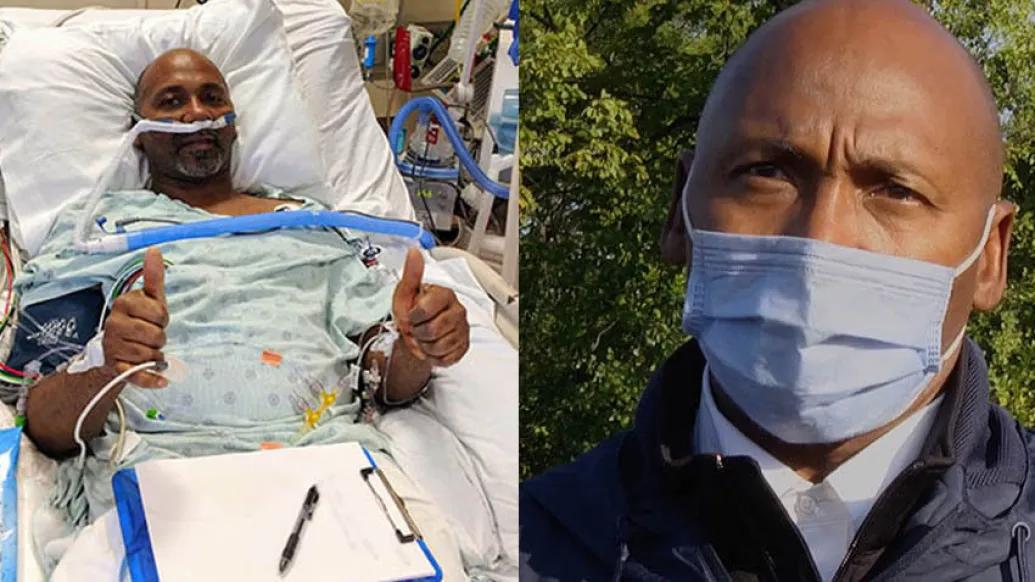
Willie Bell's wife noticed he was feeling warm on the night of March 22nd when she decided to take his temperature.
"I had a fever of 102, but I wasn't feeling anything else – only a little sinus drainage maybe," says Bell. He monitored his symptoms over the next couple of days and when the fever didn't break, ranging from 101 to 103, his doctor urged him to head to the emergency room immediately.
When he arrived at the local hospital, Bell says he felt fine, but by the time they called his name back five hours later, he recalls barely being able to move.
"I walked into the emergency room nice and strong, but by the time they called my name to come back, I got up and I was so weak; I was barely moving my feet," he says. "I'm saying to myself 'what's wrong with you, move faster', but I couldn't."
An x-ray and nose swab would later confirm Bell's worst fear: he had contracted COVID-19. With the hospital at full capacity, Bell made his way to Michigan Medicine to be admitted, which at the time was only beginning to become flooded with cases.
COVID care at Michigan Medicine
To say the time period when Bell was admitted was chaotic "would be generous," explains Doug Arenberg, M.D., Bell's admitting doctor and the attending physician in the critical unit at Michigan Medicine at that time. Beds were filling up quicker than they'd ever seen. "Most critical care cases, they're our bread and butter, but the sheer volume of critically ill patients, all at once, left everybody in shock."
Like Podcasts? Add the Michigan Medicine News Break on iTunes or anywhere you listen to podcasts.
At the time, Bell was nervous about the transfer to a hospital 45 minutes away, and wondering if he made the right decision during that critical time in his life. But he says, "after being there [at Michigan Medicine], it was the best thing I could have done, hands down. I don't know if I would have gotten the same care elsewhere."
With Bell's oxygen levels not improving, Arenberg and his team brought him to the intensive care unit to get ventilated during his nine-day stay. Two days after getting put on a ventilator, his doctors determined he was improving and it was time to see how he would do off the device. Bell remembers feeling an instant sense of relief.
"I almost instantaneously felt better – I felt like something that was in me, that wasn't supposed to be there, was finally gone."
MORE FROM MICHIGAN: Sign up for our weekly newsletter
Slowly, but surely, Bell worked with a physical therapist in his room to get stronger once again, which he was eager to do.
"I was finally able to start going up to the window in my room to watch the helicopters take off and land. Another goal was to make it to the restroom on my own and [eventually] shower by myself … all those little things you take for granted."
"He got better in a hurry," recalls Arenberg. "He got out of the ICU quickly, which was not typical of the patients we were looking after at the time. If they got sick, they were settling in for the long run – and not bouncing back quickly."
Bell's quick turnaround time was likely a testament to how fit he was in the first place, having enough reserve to tolerate the damage and recover more quickly when the virus hit, Arenberg says.
Bell says his care team, family and faith made all the difference in overcoming the infection.
SEE ALSO: Seeking Medical Care During COVID-19
"During the whole process I never felt like I was never going home. My family would send me scriptures and worship songs to listen to, which I'd even go to sleep with. I was well taken care of; everyone was very courteous and encouraging. I loved my experience at Michigan Medicine."
He also kept his eventual hospital roommate, who also had COVID, in high spirits. "After getting acquainted I told him I was a Christian and if he didn't mind I'd like to pray with him. He accepted. I made sure he and I prayed together, ordered food together. I believe you also have to have a will to live in order to be determined to fight for your life, along with medicine and the work of the doctors," says Bell.
When Bell was finally discharged, the two had an emotional parting, with the roommate thanking him for his continuous support and friendship.
Giving back
Although his recovery took some time after discharge, Bell wanted to find a bigger way to give back after feeling "very blessed" for coming out of his experience healthy again.
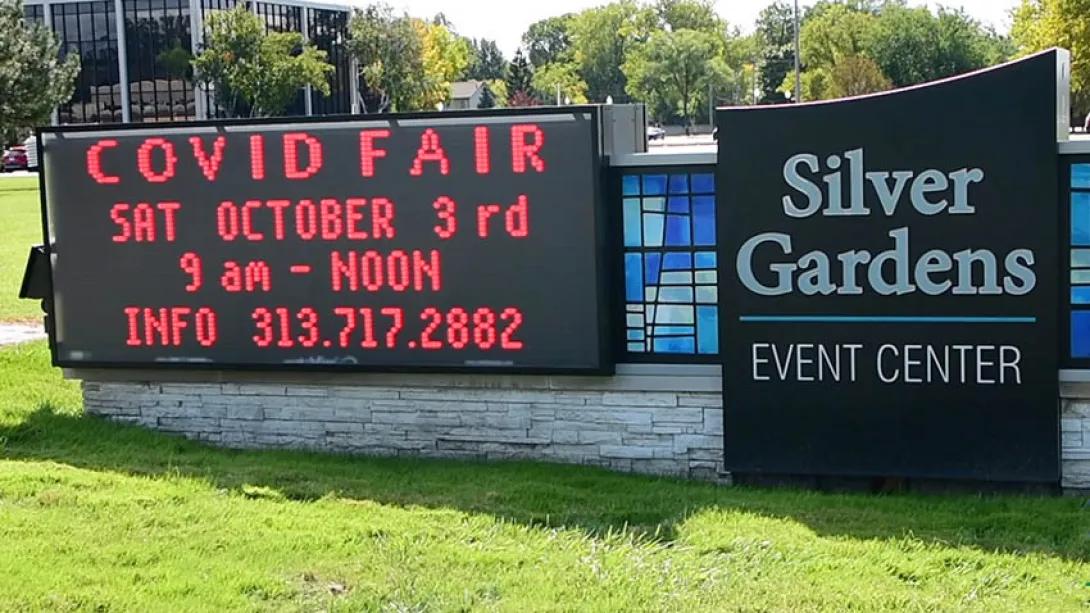
That's when his organization, Family Assistance for Renaissance Men, which helps fathers reunite with and make a difference in their children's lives, put together a drive-through community health fair in October, which included COVID and flu testing.
SEE ALSO: Keeping Our Patients Safe During COVID-19
The drive-through event also provided pertinent health information to community members about managing and addressing underlying health issues, which recent studies have found can negatively impact African American patients who develop COVID-19. The mayor of Southfield attended the event, and the state's chief deputy director of health and human services, Joneigh Khaldun, M.D., provided a video message available for anyone who attended. The event turnout was so successful that Bell's organization is in the works of putting together two more in the Detroit area.
For others going through a COVID diagnosis now, Bell says to "feed your mind and your spirit" whether that be through prayer, uplifting music or connecting with loved ones virtually, who are supporting you in staying strong and getting to the other side.
"It was a challenging experience, and I know I'm a blessed man coming out of all this."

Health Lab
Explore thousands of health news & research stories by visiting the Health Lab homepage for more.
Media Contact

Public Relations
Department of Communication at Michigan Medicine
Stay Informed
Want top health & research news weekly? Sign up for Health Lab’s newsletters today!
Featured News & Stories

What’s the latest on 7-OH and kratom availability and addiction care?

Better prenatal care data could help prevent maternal complications, experts say

Many hospitals still don’t do enough to prevent UTIs from catheters

Digital alerts support timely treatment decisions of critically ill cardiac patients
15 years of data will help uncover how flu spreads—and how to reduce its impact