First U.S.-based study of parents and guardians of kids with pathological demand avoidance
Finding resources for parents can provide useful tools and help with addressing behavioral challenges
5:00 AM
Author |

Pathological demand avoidance, also known as PDA, is a behavioral profile that's been recognized in some children with autism spectrum conditions, but isn't currently formally recognized in the United States and there are no evidence-based treatments available for these children.
The most reported features of the syndrome include obsessive, anxiety-driven resistance to ordinary demands and expectations of daily life, and extreme maladaptive emotional and physical responses when these kids are unable to cope with a demand or expectation.
This often leads to meltdowns that can be viewed as panic attacks or aggressive outbursts.
Noelle Carlozzi, Ph.D., a professor of physical medicine and rehabilitation at University of Michigan Health, identified a need for the parents of these children to have accessible tools to help guide their child’s behavior.
Specifically, she wanted to observe the impact of the Paradigm Shift Program® on parents’ ability to better support their child.
This comprehensive education and training program teaches practical skills for reducing conflict and anxiety by emphasizing flexible routines, collaborative problem-solving, and relational techniques that prioritize emotional safety.
By focusing on building trust, minimizing stress, and focusing more on connection than control, the Paradigm Shift Program® aims to help parents and guardians create a more peaceful home environment and improve overall family well being.
Carlozzi and team partnered with the program’s founder and CEO, Casey Ehrlich, Ph.D., to conduct the first peer-reviewed study of a pathological demand avoidance support program in the United States.
“The Paradigm Shift Program® has served thousands of parents and guardians since its inception in 2022, but it had never been scientifically evaluated,” explained Carlozzi.
“Being able to partner with the program directly allowed us to gain valuable insight from the parents on what methods work for them when addressing their child’s pathological demand avoidance.”
Parents were asked to fill out a pre-program study and an end-of-program assessment.
Among those who completed both assessments, 70% agreed or strongly agreed that using the Paradigm Shift Program® was successful in creating behavioral improvements in their child with pathological demand avoidance.
“In my experience with these families, many have tried established behavioral approaches that are known to work well for many children, but don’t work well with their children, and may even escalate their child’s behavior,” said Carlozzi.
“Conducting larger RCT to determine if this specific approach is efficacious and that this work will be the first of many studies on pathological demand avoidance in the U.S.”
Carlozzi states that future research will need to better understand the mechanisms for effective treatments in this area.
Regardless of whether pathological demand avoidance is a stand-alone diagnosis or a set of behavioral traits that might be present in other conditions, there is a need for effective treatment options for these families.
Additional authors: Wendy L. Lombard, Christopher M. Graves, Jennifer A. Miner, and Anthony T. Fauser from the Department of Physical Medicine and Rehabilitation, University of Michigan, Ann Arbor, MI. Jonathan P. Troost from the Michigan Institute for Clinical and Health Research, University of Michigan, Ann Arbor, MI. Casey Ehrlich from At Peace Parents, Chelsea, MI.
Tech transfer(s)/Conflict(s) of interest: Noelle E. Carlozzi previously served as a consultant for Teva Pharmaceuticals Industries and as an advisor for the 15-year congressionally mandated Traumatic Brain Injury study. She is also a scientific advisor for the CHDI Foundation.
Casey Ehrlich is the founder and CEO of Peaceful Parents, which offers both free and paid resources and services for PDA families. Casey Ehrlich provided information about the study to the Paradigm Shift Program® participants and provided input into the study design, but was blinded to client participation in the study. Individuals were not required to participate in the study to participate in the Paradigm Shift Program®. The University of Michigan IRBMED determined Casey Ehrlich's company, At Peace Parents, was not “engaged” in the research, and their Conflict of Interest ancillary board determined no COI management was necessary given the nature of Casey Ehrlich's involvement.
Paper cited: “A comprehensive parent training program for parents of neurodivergent children with pathological demand avoidance: The Paradigm Shift Program® Pilot Study,” Pediatric Investigation. DOI: 10.1002/ped4.70028
Sign up for Health Lab newsletters today. Get medical tips from top experts and learn about new scientific discoveries every week.
Sign up for the Health Lab Podcast. Add us wherever you listen to your favorite shows.

Health Lab
Explore thousands of health news & research stories by visiting the Health Lab homepage for more.
Media Contact

Public Relations
Department of Communication at Michigan Medicine
In This Story
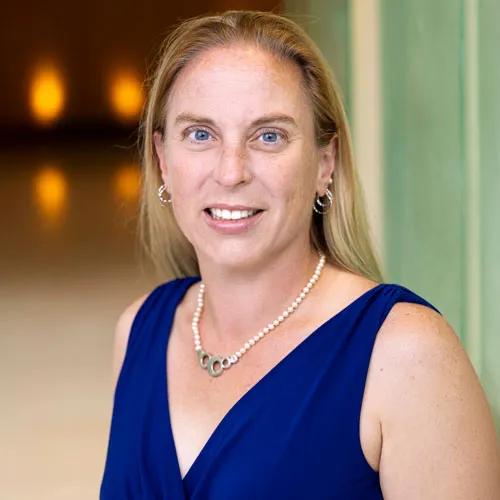
Noelle Carlozzi, PhD
Professor
Stay Informed
Want top health & research news weekly? Sign up for Health Lab’s newsletters today!
Featured News & Stories
Rural-urban disparities in head and neck cancer

Study outlines a new framework for direct cell reprogramming

New insight into how lipodystrophy can affect overall health
FDA-approved drug offers hope for patients with polycythemia vera, a rare bone marrow disorder
Engineered nanoparticles sensitize gliomas to radiotherapy