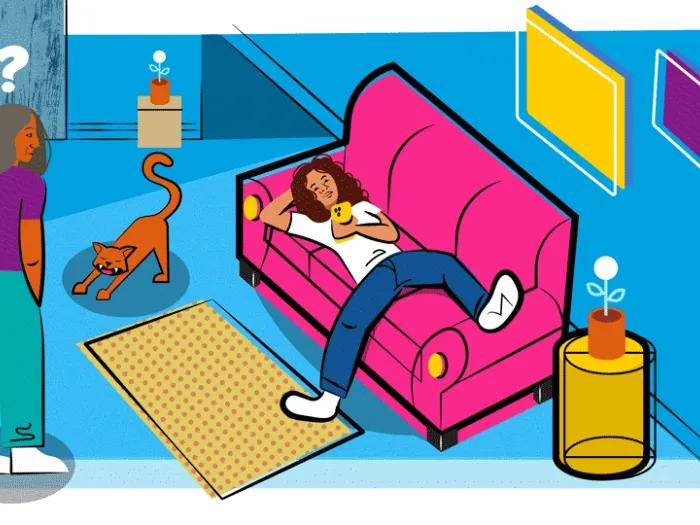
Exercising with Hypertrophic Cardiomyopathy: 'I Want to Be Fit and Strong'
A group of cardiologists is changing the conversation about a form of heart disease and exercise. One patient details how she’s maintaining an active lifestyle while minimizing risk.
7:00 AM
Author |

Signing up for 5Ks and even a 10K is a feat many people with hypertrophic cardiomyopathy may not have dared to attempt a decade or two ago. Fear of tragedy leads many HCM patients to a sedentary lifestyle.
MORE FROM MICHIGAN: Sign up for our weekly newsletter
But one mid-Michigan woman is training to walk her next 5K in March — despite having this common genetic cardiovascular disease.
Current guidelines still discourage vigorous exercise because of concerns over triggering ventricular arrhythmias. Devastating stories of collapsing athletes have gripped patients, and some providers, with terror.
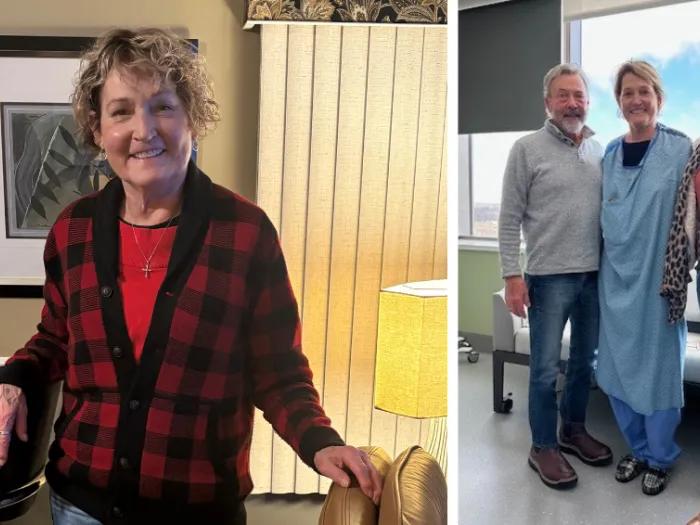
"I was told, 'You can't do anything. You can walk, you can garden — but no active sports,'" Sally Blossom, a chiropractor, remembers from her HCM diagnosis. More than a decade later, Blossom now walks at least 2 miles at a time, five or six days per week. It's all with the help — and close watch — of her HCM care team.
"I want to be fit and strong," Blossom says. "That's my focus."
And even with an inherited heart condition, that's an achievable and important goal, says her cardiologist, Sharlene Day, M.D.
"We're trying to put exercise in a positive light, instead of fear and stringent guidelines that have scared a lot of people away from being active," Day says. "When she became a patient two years ago, I was really encouraging Sally to go back to increasing activity again and see if she could build up her endurance and her strength."
It's certainly a departure from what longtime HCM patients may have heard before. Yet Day says there's no evidence being vigorously active or competing in sports are the culprits behind the cases of sudden cardiac arrest.
"Most events occur independent of any physical activity," she says. "More and more evidence is mounting that suggests that even vigorous physical activity does not increase the risk of sudden cardiac arrest in individuals with HCM."

'Finding the things I can do'
Day tailors her discussion to each patient, starting at least with a light to moderate exercise routine.
SEE ALSO: Fish, Fruits, Healthy Fats: What Heart Disease Patients Should Eat
For someone like Blossom, 42, who was active in the past but slowed down while managing symptoms like shortness of breath and fatigue after minimal activity, it could mean starting with walks around the neighborhood. For others who are currently participating in vigorous sports, it's not an immediate order to hang up the cleats.
Instead, Day says clinicians discuss a person's individual risk, making a plan together with each patient about how to continue activity in a safe environment. Environmental considerations might include getting workout buddies and exercising where there's an on-site automated external defibrillator.
Last year, Day and colleague Sara Saberi, M.D., published research in JAMA that reported moderate exercise is beneficial for HCM patients. The people who underwent moderate-intensity exercise training, similar to the workouts Blossom is doing multiple times per week, increased their exercise capacity and improved their quality of life.
Blossom says she looks forward to her time on the treadmill. It's a stress reliever and an opportunity for "me time" after a busy day of seeing patients at her chiropractic office. Not to mention, it's a great feeling to know she's able to stay active.
"Since my diagnosis in 2004, I think I've done pretty cool things like living abroad, traveling extensively and crossing 5K finish lines," Blossom says. "It doesn't have to be 'woe is me.' It's all about making the modifications you need and finding the things I can do."
There have been rest periods, for sure. Blossom found herself moving back to Vassar, Michigan, from her chiropractic job in Galway, Ireland, when her irregular heartbeat started becoming more of a problem.
"Atrial fibrillation can be a challenging condition to treat in patients with HCM like Sally, but that doesn't mean there are no options," says U-M's Rakesh Latchamsetty, M.D., who performed three ablations after Blossom's implantable cardioverter defibrillator went off. "I was pleased with how well she's responded to the procedures, and she's remained in normal sinus rhythm for over a year."
Last winter, she was back on the treadmill, rebuilding her endurance slowly but surely.
Blossom says her philosophy is just to keep moving. She encourages her chiropractic patients, her friends and even herself, when she needs to hear it, to "be a turtle and do laps around the couch if you have to, but do something."


Health Lab
Explore a variety of health care news & stories by visiting the Health Lab home page for more articles.
Media Contact

Public Relations
Department of Communication at Michigan Medicine
Stay Informed
Want top health & research news weekly? Sign up for Health Lab’s newsletters today!
Featured News & Stories

Michigan’s aging brains need more protection, poll shows
Treating a rare coronary artery aneurysm without open heart surgery
A heart attack 9 days after giving birth: Mother of 4 shares her SCAD experience
Severe strokes linked to 5 times higher dementia risk
Fighting rejection antibodies to make heart transplant possible