The Do’s and Don’ts of Preventing Peanut Allergies in Babies
Scientists say early and consistent feeding of peanuts can help prevent peanut allergies in children. A food allergy expert explains what parents should know.
7:00 AM
Author |
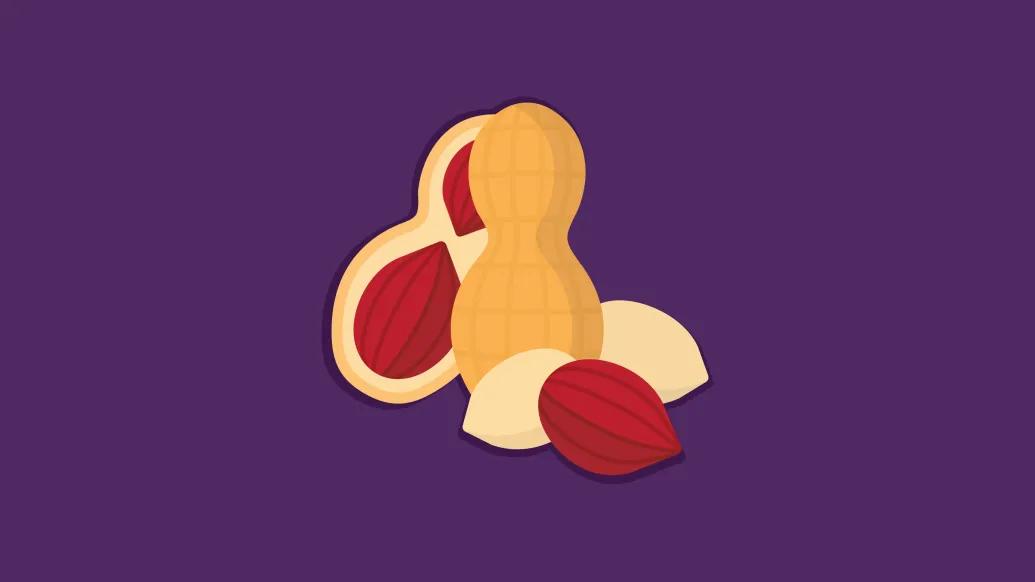
Food allergies have grown in prevalence and severity, and until recently pediatricians have told parents to keep their babies away from peanuts, shellfish and other common allergenic foods.
New recommendations from food allergy experts, however, suggest parents should do exactly the opposite.
This month, the National Institute of Allergy and Infectious Diseases (NIAID) outlined guidelines for introducing children to peanuts in the first four to six months of life based on each child's risk level.
"We've shown in the past that parents don't need to avoid peanuts to prevent their child from developing a peanut allergy," says James Baker, M.D., director of the Mary H. Weiser Food Allergy Center at Michigan Medicine. "The new guidelines build on that foundation to demonstrate that early and consistent feeding of peanuts can significantly reduce the risk of your child developing a peanut allergy."
The NIAID guidelines, which Baker co-authored, offer clear recommendations for parents of young children, including:
Low-risk babies: Offer peanut products freely alongside baby's other first solids
If your baby does not have eczema or signs of other allergies, parents can confidently offer peanut products, such as diluted peanut butter, once the baby is able to tolerate solid foods. "This is a low-risk risk group. Parents don't have to avoid peanut exposure and also shouldn't feel extra stress about constantly exposing baby to peanut," says Baker.
Medium-risk babies: Begin carefully offering peanut-containing foods around 6 months of age
Infants with mild eczema may benefit from early and consistent feeding of peanut products. Parents can introduce peanut products to their child at home to reduce the risk of developing a food allergy. "This is a group where the exposure to peanuts may go a long way towards preventing allergy, so parents should consider how to incorporate peanut consistently into their baby's diet," Baker says.
Baker also stresses that moms and dads should feel comfortable discussing any concerns they might have with a pediatrician before they start peanut feeding. "If you are concerned about your child's eczema and the development of food allergy, your pediatrician can guide you on how and when to introduce peanut," he says.
Higher-risk babies: Talk to your pediatrician
Parents of children with severe eczema or an egg allergy should begin incorporating peanut into the baby's diet as early as 4 months to prevent peanut allergy — but only after meeting with a pediatrician and discussing the best way to proceed. Your doctor may first recommend an allergy blood or skin prick test. He or she may also provide additional guidance on safe peanut introduction and could recommend that your child's first exposure be at an allergy office.
Early and consistent feeding of peanuts can significantly reduce the risk of your child developing a peanut allergy.
The ground rules
Risk levels aside, Baker offers guidelines for all parents about introducing peanuts.
SEE ALSO: What Science Says About Letting Your Baby 'Cry It Out'
- Provide peanut only in a form that doesn't present a choking risk. Stirring a small amount of creamy peanut butter into baby food, for example, or leaving a small amount of creamy peanut butter on a spoon are two alternatives. Avoid "gobs" of peanut butter, and steer clear of chunky peanut butter or anything containing whole peanuts.
- Don't introduce peanut alongside other "new" foods. This will help limit confusion about what the cause of any potential reaction may be.
- Keep it consistent. Introducing peanut once won't have a profound preventive impact. Early and ongoing exposure is critical.
- Watch for symptoms. Red flags include itching or hives, runny or congested nose, and, in extreme cases, anaphylaxis-related symptoms such as impaired breathing, swelling in the throat, pale skin, blue lips or fainting. Call 911 immediately if there are such signs of a systemic allergic reaction. Symptoms such as hives or runny nose can be discussed with your physician during normal business hours.
As for other food allergens, Baker notes that current research seems to support that early exposure to several of the most common food allergens could prevent children from developing a food allergy.
"Parents are challenged just by trying to feed babies and toddlers healthy diets, even without the requirement of consistently incorporating dairy, egg, shellfish, peanut butter, soy, wheat, etc.," notes Baker. "However, the challenge is worth it, given that peanut allergies are such a difficult, lifelong problem."
Most importantly, Baker says, you don't need to go down this road alone. "Parents should know that their pediatricians are their partner in this process and can answer any questions they have."

Health Lab
Explore thousands of health news & research stories by visiting the Health Lab homepage for more.
Media Contact

Public Relations
Department of Communication at Michigan Medicine
Stay Informed
Want top health & research news weekly? Sign up for Health Lab’s newsletters today!
Featured News & Stories
What Parents Need to Know About 'Peter Rabbit' and Food Allergies
Play Dates and Food Allergies: What Parents (and Hosts) Need to Know

E-Bikes are everywhere, but most parents say they don’t know enough about them

Have an MCAS diagnosis? Well, maybe not
C.S. Mott Children’s Hospital named No.1 children’s hospital in Michigan by U.S. News & World Report