Don’t Let These 7 Dangerous Foods Spoil Your Picnic
Barbecuers, beware: These eats can cause injury or illness without proper precautions. Here’s how to picnic safely all summer long.
1:00 PM
Author |
As we get ready to celebrate Memorial Day and the unofficial start of summer, we tend to spend more time outdoors enjoying the warm weather. Picnics once again become a favorite outdoor activity.
MORE FROM MICHIGAN: Sign up for our weekly newsletter
But picnics also pose a special challenge. Most people don't realize that some of their favorite al fresco foods can harbor hidden hazards if the items aren't prepared, handled or stored correctly.
Food left sitting out at improper temperatures — or on the trip back home — could become loaded with bacteria before going back in the refrigerator. If the food sat out for too long, just get rid of it. No leftovers are worth a trip to the emergency department.
Make note of these seven picnic items (and their potential dangers) when feeding family and friends this summer.
Grilled entrees

Before serving items hot off the grill, check closely to ensure bristles from your grill brush haven't gotten stuck in the food — a risk cited by the Centers for Disease Control and Prevention. The sharp wire bristles can be accidentally swallowed and puncture the tissues of the throat, esophagus or bowel, causing severe pain. They may even require surgical removal. Carefully inspect the grill surface after cleaning, or use a brush that has a mesh pad instead.
Avocados
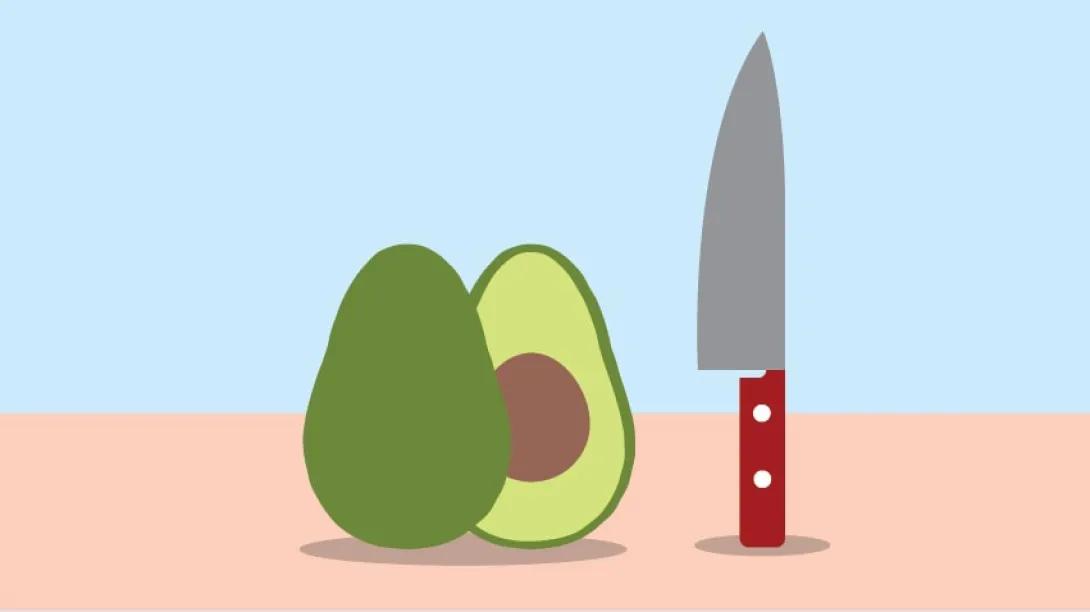
People often hold avocados in their hands while slicing them open. But between forcing a knife through the fruit's tough skin and encountering an oversized pit, the blade can move unexpectedly and cause a potentially serious hand injury. Use a cutting board, make sure the avocado is ripe and take care when cutting. Clean the cutting board and knife between food items to avoid cross-contamination.
Potato and macaroni salads
Leaving these types of mayonnaise-based dishes out in the sun can cause them to grow bacteria, which could leave an unsuspecting consumer with food poisoning. Always keep cold foods stored below 40 degrees Fahrenheit. Once served, the salads shouldn't sit out longer than two hours (or one hour if it's above 90 degrees Fahrenheit), according to the U.S. Food and Drug Administration.
Lettuce and fresh produce
While a fresh salad sounds like a healthy picnic option, make sure you're thoroughly rinsing the lettuce. Lettuce can carry bacteria, such as listeria, that can make you sick. It's also a good idea to wash and rinse any other fresh produce, which could carry traces of bacteria or fertilizers.
Charred meats
Studies suggest that grilling meat at high temperatures has dangers, so be aware of how much you're searing red meat, poultry and fish. The reason: Substances in the meats' muscle proteins react under high heat to form carcinogenic compounds that contribute to the development of cancer. The American Institute for Cancer Research offers ways to reduce the risk.
Alcoholic beverages
While a few alcoholic beverages might sound refreshing, they also can leave you dehydrated. Alcohol also can affect balance and judgment, a particularly dangerous combination near an open flame, pond or swimming pool. Ensure you are drinking plenty of water — and, of course, never drink and drive or engage in potentially dangerous activities after drinking.
Chicken

Consuming raw or undercooked chicken can make you sick. When cooking chicken breasts, it's important they reach an internal temperature of 165 degrees Fahrenheit. Wipe down and sanitize surfaces where raw chicken was placed to reduce the risk of spreading salmonella. Be sure to rinse the area with clean water after using disinfectants.

Health Lab
Explore thousands of health news & research stories by visiting the Health Lab homepage for more.
Media Contact

Public Relations
Department of Communication at Michigan Medicine
Stay Informed
Want top health & research news weekly? Sign up for Health Lab’s newsletters today!
Featured News & Stories

7 tips for a safer Fourth of July fireworks show

6 Tips for a Safe Campout

Digital alerts support timely treatment decisions of critically ill cardiac patients

What’s changing in Medicaid and what can you do?
Rabies is on the rise: Experts offer advice