Doctors urge caution regarding elective MRI scans
Whole-body scans may lead to harms
11:02 AM
Author |

According to leading radiologists, elective MRI screenings are not recommended and can do more harm than good.
In a new JAMA editorial, experts from the University of Michigan Health and the University of Wisconsin School of Medicine and Public Health outline the downsides of these increasingly popular scans.
Three years after a warning that evidence did not support such elective screenings, the commercial popularity of whole-body MRI has only increased — despite a lack of endorsements from relevant professional organizations.
This most recent opinion piece cites a total of over 100,000 elective MRI customers to date, as offerings from major hospital systems and specialized companies proliferate.
Alongside coauthor Scott B. Reeder, M.D., Ph.D., Chair of Radiology at the University of Wisconsin School of Medicine and Public Health, Michigan Medicine radiologist Matthew Davenport, M.D., MBA, outlines why these screenings can be harmful, in addition to expensive.
Downsides of detection
One of the points made in this latest JAMA editorial is counterintuitive for many patients: detecting certain cancers early is not always beneficial.
Many slow-progressing diseases can resemble each other on an MRI scan, requiring further diagnostic procedures, such as surgery, which contain their own risks.
Even when not dealing with false positives, however, types of cancer — and the benefits of early aggressive, interventions — vary greatly.
“Although established, evidence-based screening saves lives, not all screening improves health,” Davenport said.
“In one study attempting to demonstrate benefit of ovarian cancer screening, 212 women in the screening group were diagnosed with ovarian cancer. Compared to the group that did not get screened, however, there was no mortality benefit. Additionally, more than 1,000 patients underwent unnecessary surgery.”
The authors observe that many incidentally detected cancers and cancers detected by screening of low risk patients are slow-moving, and mortality is often not improved from their early detection. And the more aggressive cancers progress so quickly that MRI screening provides no measurable benefit.
Common extant cancer screening programs, like colonoscopies for patients over 45, were only arrived at after carefully studying the risks and benefits for the most affected populations.
A psychological cost
While the desire to undergo elective screening may arise from a patients’ anxieties, it’s possible that an MRI can only worsen these fears.
The authors cite a 3 in 10 chance that something uncertain shows up on the scan, which can exacerbate worries and lead to additional anxiety associated with the risks and costs of diagnostic surgery.
“These nonspecific findings can cause emotional harm as you wait for a more specific diagnosis,” Davenport said.
“But that specific diagnosis may not come for many years, if ever. This process can affect self-image in profound ways. You begin to view yourself as a patient with a problem, even if what was detected ultimately proves benign or very low risk.”
The authors emphasize that in addition to the above harms, there exists no evidence that elective MRI extends or improves a person’s quality of life.
Additional authors: Scott B. Reeder, M.D., Ph.D.
Tech transfer(s)/Conflict(s) of interest: Dr. Davenport reported stock options and consulting fees from Covera Health; fees from Roche for serving as a safety consultant for an imaging finding in a trial; royalties from Wolters Kluwer; a patent issued for a photoacoustic needle imaging probe for in vivo biopsy; and serving as president elect of the Society for Advanced Body Imaging.
Paper cited: “Elective MRI Screening of the General Public—Buyer Beware,” JAMA.
Sign up for Health Lab newsletters today. Get medical tips from top experts and learn about new scientific discoveries every week.
Sign up for the Health Lab Podcast. Add us wherever you listen to your favorite shows.

Health Lab
Explore thousands of health news & research stories by visiting the Health Lab homepage for more.
Media Contact

Public Relations
Department of Communication at Michigan Medicine
In This Story
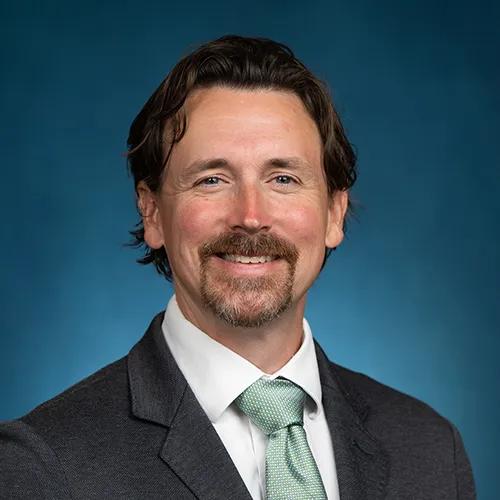
Matthew Davenport, MD, MBA, FSABI, FSAR, FACR
Clinical Professor
Stay Informed
Want top health & research news weekly? Sign up for Health Lab’s newsletters today!
Featured News & Stories

Comprehensive DNA sequencing reveals hidden drivers of cancer

Many older adults make Medicare decisions quickly and most don’t change plans, poll finds

‘Molecular glue’ stabilizes protein that inhibits development of non-small cell lung cancer and uterine cancer

4 in 5 parents say having a baby is too expensive

What’s the latest on 7-OH and kratom availability and addiction care?