Diagnosing CTE: What a Neurologist Wants You to Know
As the well-known — but little understood — brain disease cycles in and out of the news, a Michigan Medicine specialist explains the latest science.
3:15 PM
Author |
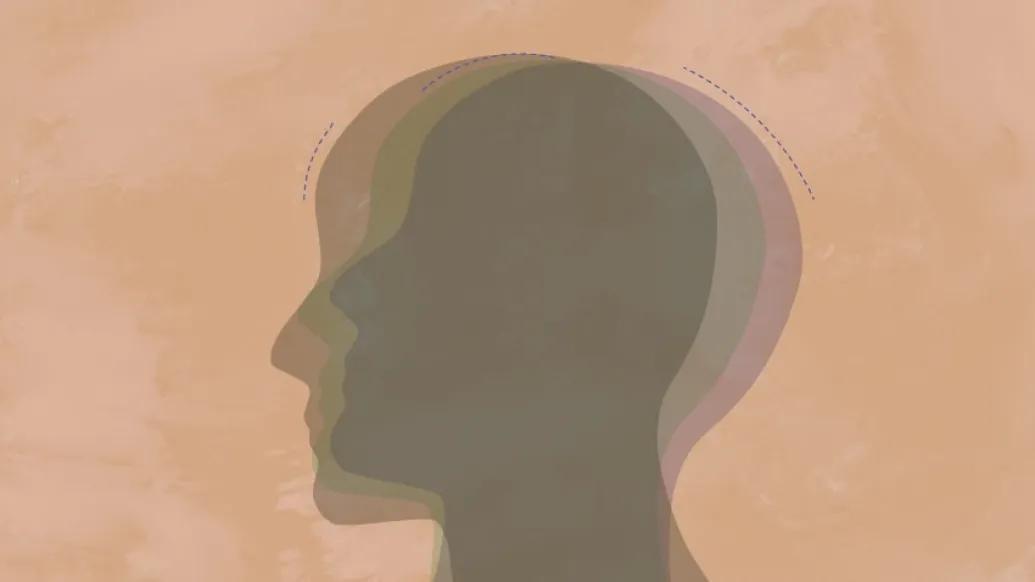
For years, the lasting effects of sports-related head injuries such as chronic traumatic encephalopathy, or CTE, have been a point of conversation and concern. News stories and films put the issue before a wide audience.
MORE FROM MICHIGAN: Sign up for our weekly newsletter
And it was recently revisited when retired NFL star Brett Favre revealed in a television interview that he has likely sustained "thousands of concussions" during his 19-year professional career — and that he thinks he may have "early stages" of CTE as a result.
The neurodegenerative disease, believed to be caused by repetitive brain trauma, is marked by progressive issues that include cognitive impairment, anxiety, depression and impulsive behavior, among other things.
But while Favre says he may have signs of CTE (he spoke about misplacing his keys and eyeglasses in the interview), there's no way to know for sure right now, says Matthew Lorincz, M.D., Ph.D., associate professor of neurology at the University of Michigan.
That's because CTE can only be diagnosed after death. Doctors must conduct an autopsy to look for signs of brain tissue degeneration and a buildup of abnormal tau proteins.
"CTE is not a clinical diagnosis; there are no MRI or CT scans we can order," says Lorincz, noting that a recent study analyzing spinal fluid to detect CTE has a long way to go before approval and use.
"There is no current way to diagnose CTE in a living person, despite what you might hear."
TES: A new diagnostic approach
That knowledge gap has left potentially affected patients searching for help and answers. After all, the onset of symptoms can occur years or decades after injuries.
SEE ALSO: What Happens When You Get a Concussion
Michigan Medicine researchers in 2016 developed a diagnostic framework for a new clinical diagnosis, traumatic encephalopathy syndrome (TES). Related to a history of concussions, TES is marked by characteristics seen in CTE: problems with memory, mood and motor function.
To avoid a false-positive diagnosis, other comorbid symptoms (such as sleep disorders or substance abuse) should be considered and treated — and a patient's symptoms must persist for at least two years. They also need to have a history of concussions, and other neurologic diseases need to be ruled out.
The concept of TES is new. And the relationship between CTE and TES is unknown.
There is no known cure, but the TES criteria were introduced to help determine when targeted intervention might be used to preserve quality of life and slow potential decline in at-risk patients.
"Some treatments, although symptomatic, can have a really significant impact on a person's life," Lorincz says. "These might include physical therapy for imbalance, developing cognitive or thinking strategies and pharmacological therapies for mood disorders."
CTE risks vary by sport, length of play
Lorincz, who is also co-director of Michigan NeuroSport, notes that wider awareness of CTE and its relation to sports has sparked important dialogue about athlete safety.
"Football and collision sports, when played over long periods of time, have the potential to be dangerous in many different ways," he says. "There's definitely an amount of repetitive trauma that is going to cause a higher risk of brain damage when you look under the microscope."
The risks, however, are varied in many ways.
Those who compete recreationally or with a school team don't face the same hazards as professional boxers or hockey players that absorb frequent blows for years, Lorincz notes.
SEE ALSO: 3 Ways Athletic Trainers Help Competitors Perform Their Best
Regardless of their status, anyone concerned about brain damage from past game play should consult a neurologist, even if the collisions happened long ago, he adds.
"It's important to look at the history of traumatic brain injury — the number of concussions and sub-concussive blows sustained routinely throughout some sport," Lorincz says.
"I think more people are interested in trying to understand the risks and, hopefully, how to reduce them."
For concussion care or a second opinion, contact the Michigan NeuroSport clinic at 734-930-7400 or click here.

Health Lab
Explore thousands of health news & research stories by visiting the Health Lab homepage for more.
Media Contact

Public Relations
Department of Communication at Michigan Medicine
Stay Informed
Want top health & research news weekly? Sign up for Health Lab’s newsletters today!
Featured News & Stories
U-M Board of Regents approves construction of Nathan and Catherine Forbes Sports Medicine Institute
A pediatric epilepsy fundraiser that changes lives
Michigan Alzheimer's Disease Research Center receives $22M to advance efforts statewide
Engineered nanoparticles sensitize gliomas to radiotherapy

A concussion expert and football father discusses why he values teamwork over zero-risk