Diabetes and your eyes: 4 things to know
Why an ophthalmologist says it’s crucial to keep up with your eye exams.
3:25 PM
Author |
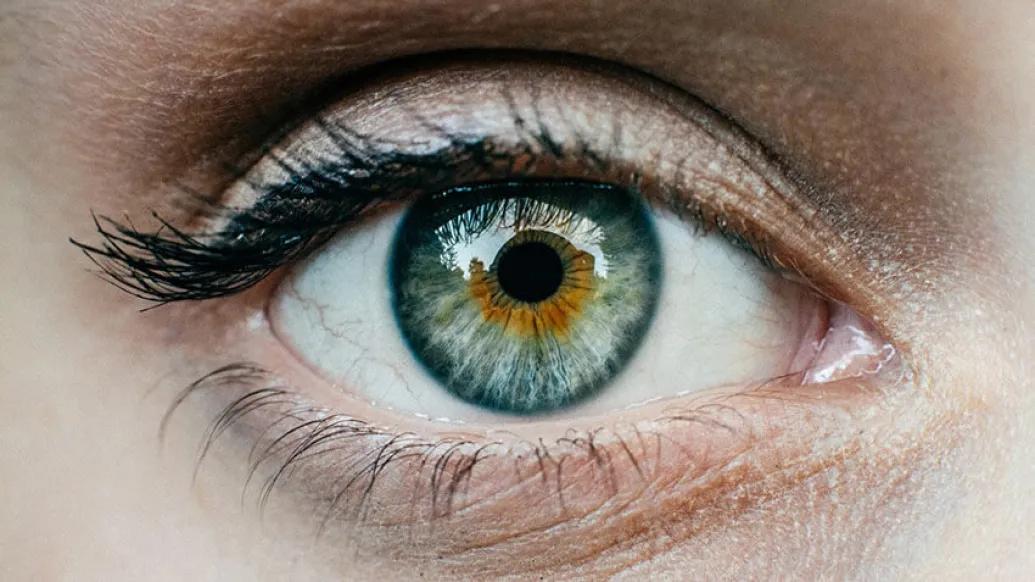
When you think of diabetes, you probably think of glucose. Insulin. High blood pressure. Your pancreas.
But what about your eyes?
Although they may not be the first thing you think of when it comes to diabetes, your vision can be heavily impacted, and permanently damaged by it, with one in three people aged 40 or older with diabetes showing signs of diabetic retinopathy, according to the National Institute of Diabetes and Digestive and Kidney Disease.
MORE FROM MICHIGAN: Sign up for our weekly newsletter
"Your eyes are an important window into the health of the rest of your body," said Julie Rosenthal, M.D., M.S., an ophthalmologist at the Kellogg Eye Center who specializes in diseases of the retina and vitreous. Below, Rosenthal shares essential information about the disease and eye health.
Four facts you should know about diabetes and eye health
1. At first, the eye damage from diabetes may not be noticeable
Often, Rosenthal explains, there aren't clear early warning signs that you have diabetic eye disease, that it's developing, or even progressing.
And the longer you have diabetes, the greater the risk you have of it affecting your eyes.
"Early changes can include bleeding within the retina, which may not affect your vision at first. At any stage, you can develop swelling in the macula, which often leads to blurred central vision, known as macular edema," said Rosenthal. "The macula is where you have your 'sweet spot' of vision. It's what helps you recognize faces, read and see objects up close."
As your diabetes advances to the later stages, the blood flow to the retina can decrease, depriving your retina of oxygen and nutrition, recruiting new blood vessels, called neovascularization, one of the hallmarks of a condition called diabetic retinopathy.
"While those new blood vessels sound like a really great solution to not getting enough nutrients and oxygen, they're not good blood vessels," said Rosenthal. "And, if left untreated, they can lead to vision loss."
2. If left untreated, diabetic retinopathy could cause irreversible vision loss
Diabetic retinopathy has two stages:
-
Non-proliferative diabetic retinopathy, or NPDR: The retina can have spots of bleeding, areas where blood flow is disrupted called cotton wool spots, and fatty tissues that leak from the blood vessels into the retina. This can result in serious vision loss if left untreated.
-
Proliferative diabetic retinopathy (PDR): The more advanced form of the disease develops when new blood vessels form on the retina by way of neovascularization. The blood vessels, which break easily and are extremely fragile, can lead to bleeding within the eye, causing cloudy vision. Left untreated, the disease can result in retinal tears or detachments, both which can severely damage your vision.
Macular edema can happen at either of these stages.
3. Luckily, there are treatment options available for diabetic retinopathy
According to Rosenthal, the "gold standard" for PDR is a laser treatment.
"When your eye is not receiving great blood flow, it sends a signal to bring these new blood vessels," said Rosenthal. "We're trying to stop that signal from being sent by putting laser in those areas."
At Kellogg, laser surgery is considered the mainstay of treatment for proliferative diabetic retinopathy. "Most of us at Kellogg, and many other retina specialists, feel that it's probably the best option," said Rosenthal.
Another treatment option involves medicine injections into the eye, which can sometimes treat the new blood vessels being formed.
"Although sometimes these new blood vessels can be treated with these injections, the treatment is temporary and needs to be repeated, often monthly," Rosenthal said.
The injections are a great treatment for macular edema, however, and can help improve your vision if you have this.
4. Good health maintenance and consistent doctor visits are key in preventing severe disease
Since these eye complications stem from an underlying, chronic disease, the problem must be attacked at the root by regulating your blood sugar, blood pressure and cholesterol with your primary care provider.
But Rosenthal's biggest piece of advice? Visit an eye doctor yearly.
"You might not notice any problems during the earlier stages, so it's important to get your eyes examined regularly," said Rosenthal. "If we can detect the issue early, we have a much better chance of preventing irreversible vision loss and the later stages of the disease."
She adds that warning signs of advancing diabetic eye disease may include new floaters, decreased vision or spots in your vision.
As a patient with diabetes, you may already feel as if your schedule is filled with medical appointments and it's difficult to make time for another. However, eye health is critical, and vision loss from diabetes is preventable with timely interventions.
Like Podcasts? Add the Michigan Medicine News Break on iTunes or anywhere you listen to podcasts.

Health Lab
Explore thousands of health news & research stories by visiting the Health Lab homepage for more.
Media Contact

Public Relations
Department of Communication at Michigan Medicine
Stay Informed
Want top health & research news weekly? Sign up for Health Lab’s newsletters today!
Featured News & Stories
Innovative children’s vision research gets a boost from the Knights Templar Eye Foundation

Doctors restore patient’s vision with progressive eye disease
Wet vs. Dry AMD: What’s the Difference?

7 Healthy Habits to Help Prevent Macular Degeneration
Why Does the Doctor Need a Photo of My Eye?