COVID-19 in Pregnancy: Studying racial disparities and adverse birth outcomes
Black women were twice as likely to get COVID-19 as white women, preeclampsia risk higher for all infected pregnant people in multicenter Michigan study.
5:00 AM
Author |
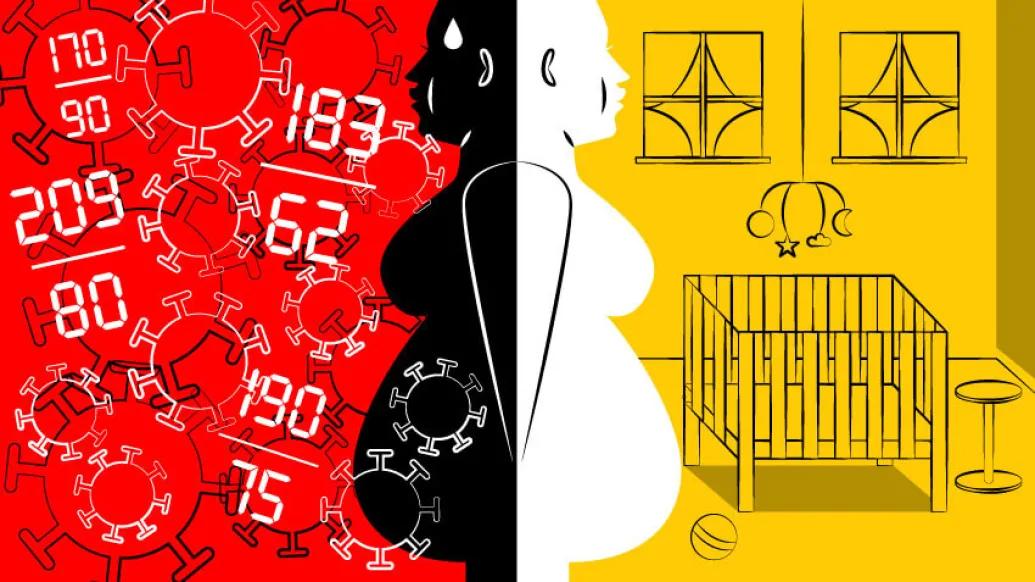
People who are pregnant or have recently been pregnant have a higher risk of getting severely ill with COVID-19 compared to others, data continues to show.
Now, a group of Michigan hospitals are collaborating to learn more about how those risks affect diverse pregnant individuals in the state, exploring both possible racial disparities and how COVID-19 may impact birth outcomes.
Research that included patients from 14 Southeast Michigan hospitals from the Michigan Statewide Collaborative showed that Black pregnant women were twice as likely as white women to contract COVID-19.
After a COVID-19 infection, all pregnant people were also at a higher risk of early preeclampsia – high blood pressure that can cause serious complications for both moms and babies and that often leads to preterm labor and delivery and critical neonatal care for newborns.
The findings were presented at the virtual Society for Maternal Fetal Medicine conference with abstracts published in the American Journal of Obstetrics and Gynecology
"A lot of the data we've seen about COVID and pregnancy has come from single center institutions," said co-author Courtney Townsel, M.D., M.Sc., an obstetrician-gynecologist at University of Michigan Health Von Voigtlander Women's Hospital, Michigan Medicine.
SEE ALSO: COVID vaccine reduces risk of severe illness in pregnant women, protects newborns
"Southeast Michigan demographics has a very diverse population, so we wanted to be able to tell the story and capture the experience of many different people, from rural and urban areas from the region as well as from different delivery systems, including academic and community hospitals."
More on findings from the Michigan Statewide Collaborative regarding COVID-19 infection in pregnancy:
COVID-19 racial disparities in pregnancy
Among 1,131 pregnant patients in the region in one of the studies, nearly 43 %, or 485, were Black. These patients had double the risk for COVID-19 compared with white peers between March 2020 and 2021.
After adjusting for obesity and diabetes, the risk of COVID-19 in Black patients remained higher compared to the risk among white patients.
"We need to look deeper at social determinants of health, such as high-risk environments, to better understand this disparity," Townsel said.
While researchers found no differences in symptoms or severity of disease between racial groups, previous studies show that pregnancy in general increases risk of severe illness from COVID-19.
Because of these risks, along with data showing that COVID-19 vaccination during pregnancy is safe and effective, leaders in obstetric care across the U.S. recommend that all pregnant individuals be vaccinated against the virus.
Studies have also shown that COVID-19 vaccination during pregnancy protects babies as well because antibodies can be passed to them through both the placenta and breastmilk.
"It's really important to continue to study these risks so we can better educate pregnant patients and continue to address hesitancy around COVID-19 vaccination," Townsel said. "Evidence-based data overwhelmingly supports the benefits of vaccination for both pregnant individuals and their babies."
Evidence-based data overwhelmingly supports the benefits of vaccination for both pregnant individuals and their babies.Courtney Townsel, M.D., M.Sc.
Risk of early preeclampsia
In a second study based on data from the same large diverse population among all 14 hospitals, researchers found a strong relationship between COVID-19 and early preeclampsia.
Researchers analyzed 369 cases involving women who got COVID-19 during pregnancy or shortly after, comparing delivery outcomes with 1,090 women who didn't experience an infection. Both groups delivered between March and October, 2020 on the same respective unit among hospitals within 30 days of each other.
COVID-19 pregnancies were associated with an increased risk of preeclampsia – with an even higher risk for people who were more symptomatic and with severe disease –even after adjusting for relevant comorbidities.
"We wanted to know if having COVID-19 predisposed pregnant people to other medical complications during pregnancy," Townsel said. "We knew they were at higher risk of respiratory complications and ending up in the ICU but were there any other signals we needed to be looking for in these patients?
"We found that individuals with a COVID-19 infection not only had a higher risk of preeclampsia and high blood pressure but early preeclampsia. This complication makes preterm births more likely, which can negatively impact outcomes for both the baby and mom."
Many patients who had COVID-19 tended to have the same placental dysfunction seen in pregnant patients with high blood pressure, she noted.
"This is really important to understand because once patients develop preeclampsia, there's no remedy, and there's a high risk of a preterm delivery and need for specialized neonatal care," Townsel said.
"We need to do everything we can to prevent early preeclampsia. Reducing COVID-19 infection in pregnancy improves the likelihood that patients carry all the way to term, which we know is the healthiest outcome."
Black COVID-19 patients also experienced preterm delivery from preeclampsia 1.9 times more often than COVID-19 patients of other races – a disparity that should be studied further, Townsel says.
In the summer of 2021, the Centers for Disease Control and Prevention issued an urgent health advisory to increase COVID-19 vaccination among people who are pregnant, recently pregnant or trying to become pregnant.
"We've made progress, but we could still be doing better with vaccination rates among the pregnant population," Townsel said. "For patients who are pregnant, trying to conceive, undergoing fertility treatment or breastfeeding, COVID-19 vaccination is a critical step to prevent serious illness, deaths, and adverse pregnancy outcomes."
Additional institutions include Wayne State University, Henry Ford Health System, Eunice Kennedy Shriver National Institute of Child Health and Human Development, Beaumont Health, Spectrum Health Hospital System, St. Joseph Mercy, Hurley Medical Center/Michigan State University, St. John Hospital and Medical Center, Ascension and Oakland University.
MORE FROM THE LAB: Subscribe to our weekly newsletter
Like Podcasts? Add the Michigan Medicine News Break on iTunes, Google Podcasts or anywhere you listen to podcasts.

Health Lab
Explore thousands of health news & research stories by visiting the Health Lab homepage for more.
Media Contact

Public Relations
Department of Communication at Michigan Medicine
Stay Informed
Want top health & research news weekly? Sign up for Health Lab’s newsletters today!
Featured News & Stories

What’s the latest on 7-OH and kratom availability and addiction care?

Depression in OBGYN residents needs more attention, study suggests

Better prenatal care data could help prevent maternal complications, experts say

Many hospitals still don’t do enough to prevent UTIs from catheters

What’s changing in Medicaid and what can you do?