Clinical Trial Demonstrates Success of Low FODMAP Diet
In a first-of-its-kind study in the U.S., individuals with irritable bowel syndrome showed an improvement in symptoms and quality of life compared to a control.
11:30 AM
Author |
A change in diet improves the lives of those diagnosed with a common but hard-to-treat gut disorder. That's the conclusion of new research that studied, for the first time in the United States, the result of following a carefully controlled diet to improve the symptoms and quality of life for people with irritable bowel syndrome.
SEE ALSO: An Evolving 'Holistic' Approach to IBS Treatment
"This is the only methodically rigorous clinical trial to show that diet-based therapy can not only improve symptoms, but also quality of life in patients with IBS," says gastroenterologist Shanti Eswaran, M.D., a clinical assistant professor at the University of Michigan who researches the role of diet and food in functional bowel diseases such as IBS.
IBS can be highly debilitating and affect work, sleep and personal and family relationships. Between 10 and 15 percent of Americans have symptoms consistent with the syndrome.
Many practitioners and patients have turned to diet as a possible treatment, but many of the dietary recommendations have not been backed by clinical trials.
The University of Michigan study, the largest of its kind, measured the degree of relief from low FODMAP, a frequently recommended diet, which stands for Fermentable Oligo-Di-Monosaccharides and Polyols.
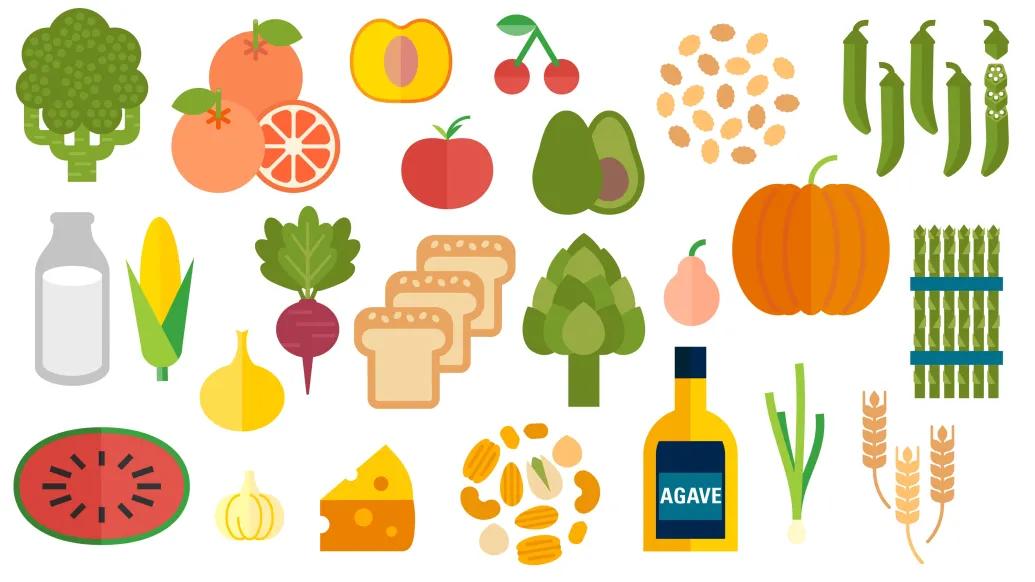
This diet excludes many compounds found in wheat, certain fruits and vegetables, garlic, onions and sugar substitutes. (Specific details on what to eat and what to avoid can be found here.)
Over a six-week process, registered dietitians educated and monitored the progress of more than 90 IBS patients. Roughly half followed a prescribed low FODMAP diet, and half were a control group that used a common-sense regimen, cutting down on large meals, binges and known irritants such as caffeine and alcohol.
Low FODMAP is not a new treatment, but we are now convinced that it really works.Shanti Eswaran, M.D.
Improving quality of life
The results presented at Digestive Disease Week 2016 in San Diego were impressive: More than 50 percent of the patients on the low FODMAP diet had major improvement of their abdominal pain, compared with 20 percent of the control group.
There was also more improvement of other bothersome symptoms compared to the control group: bloating, diarrhea and stool urgency.
SEE ALSO: New Research on the Microbiome In and Around Us Underway
At four weeks, the proportion of patients with a meaningful improvement in IBS quality of life was significantly higher in the low FODMAP group compared to the control group — 61 percent versus 27 percent.
While the results are highly encouraging for IBS sufferers, there are a few important caveats, Eswaran says.
Because of the many unknowns about the chemical causes and triggers of IBS, the list of "bad" foods is exhaustive and elusive, and help from a dietitian is recommended.
Eswaran collaborated with William Chey, M.D., Kenya Jackson, Sivaram G. Pillai, Samuel W. Chey and Theresa Han-Markey, M.S., R.D., at the University of Michigan on the study, which was published in Gastroenterology.
"Low FODMAP is not a new treatment, but we are now convinced that it really works," she says. "Our next step will be to more precisely determine the underlying chemistry of how and why particular foods can yield dramatically different results for different people. Meanwhile, we strongly recommend that IBS patients work with their physician and a registered dietitian to navigate the low FODMAP diet to take control of their IBS symptoms."
Eswaran received funding to conduct the research from the University of Michigan Nutritional and Obesity Center and Prometheus Diagnostics.

Health Lab
Explore thousands of health news & research stories by visiting the Health Lab homepage for more.
Media Contact

Public Relations
Department of Communication at Michigan Medicine
Stay Informed
Want top health & research news weekly? Sign up for Health Lab’s newsletters today!
Featured News & Stories
How Synthetic Hydrogels Stimulate Real-Life Intestinal Healing

Study: Low FODMAP Diet Improves Quality of Life for IBS Patients
Identifying avoidant, restrictive food intake disorder in gastroenterology patients

How gastroenterology nutrition therapy has evolved
IBS treatment response predicted by gut microbiome in new study