Cancer, Cameras and a World of Details: A Scientist’s Artful Hobby
When he isn’t researching cancer cures, one U-M clinician finds similar gratification through photography.
7:00 AM
Author |
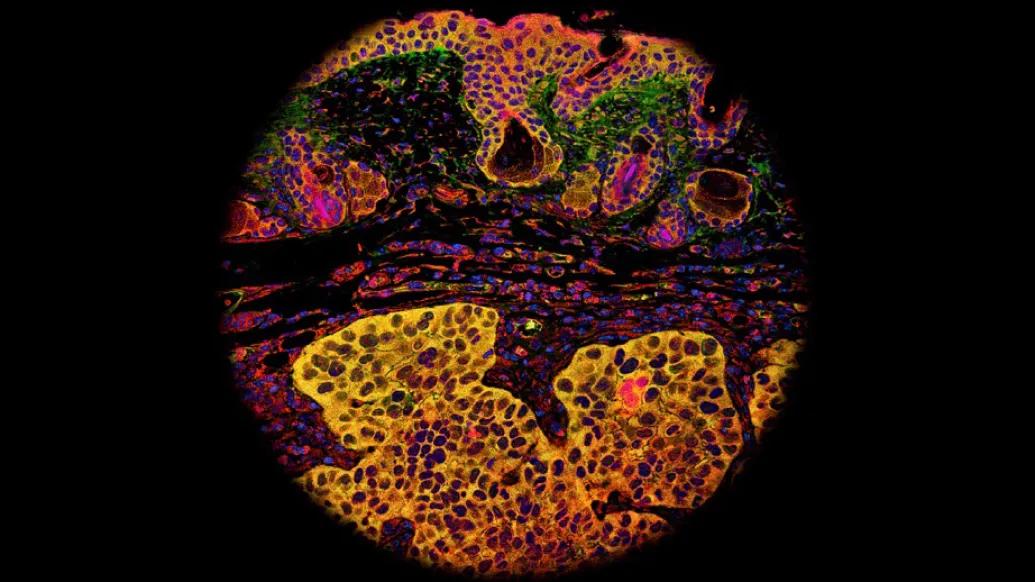
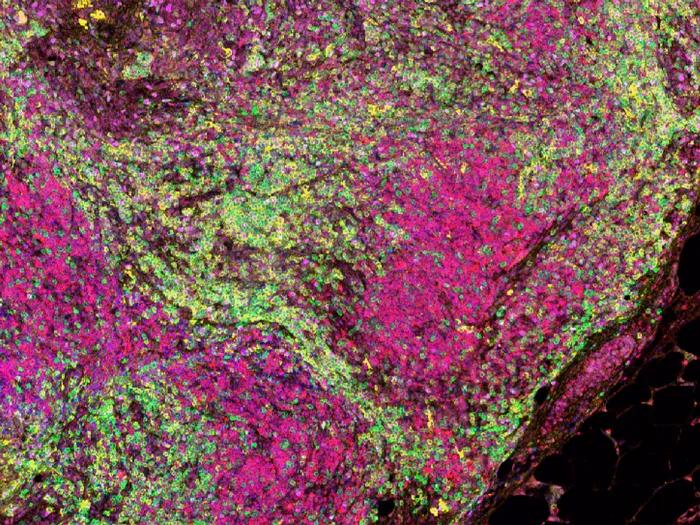
A photographer sees the world through the camera lens. A scientist sees cancer through the microscope.
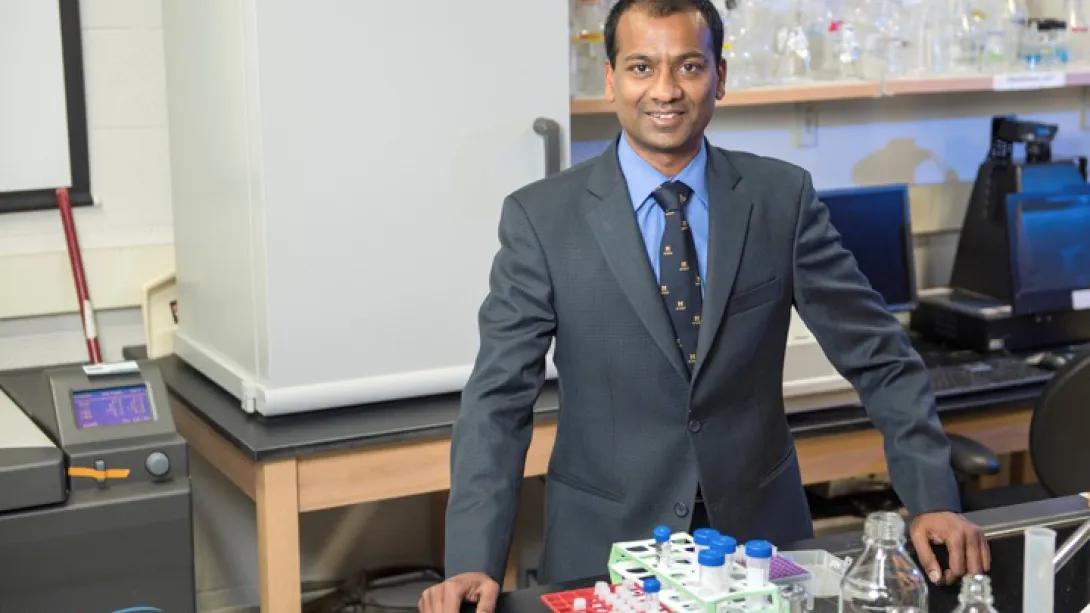
Mukesh Nyati, Ph.D., does both.
And in each pursuit, it's all about the details.
MORE CANCER CARE: Subscribe to our weekly newsletter
An associate professor of radiation oncology at the University of Michigan Health System, Nyati has spent nearly two decades working to understand the human proteins that start the process of cancer, as well as those that cause the disease to progress.
His goal is twofold: to identify cancer patients early in radiation treatment who are likely to respond to drugs that target these proteins, and to develop drugs to stop the proteins that promote cancer growth.
"As a cancer scientist, it is a fascinating chase," Nyati says.
Dual dedication
His watchful eye extends beyond the lab.
Nyati's colleagues first noticed an incredible photograph online of the UMHS Frankel Cardiovascular Center at daybreak. They then found out that Nyati is a serious photography hobbyist, with a Facebook page dedicated to his after-hours passion.
SEE ALSO: Portraits of Progress: A Cancer Patient Documents His Treatment
The hobby is a longtime one. Nyati has been honing his photography skills for 20 years, capturing images of the buildings at work, his home near Ann Arbor and his travels around the world.
"I love to click people's portraits, flowers, bugs, birds, the sun or moon," Nyati says. "When I analyze these pictures in depth, I find that each object is so much more than I can imagine."
It's no surprise, then, that such perception extends to his professional life.
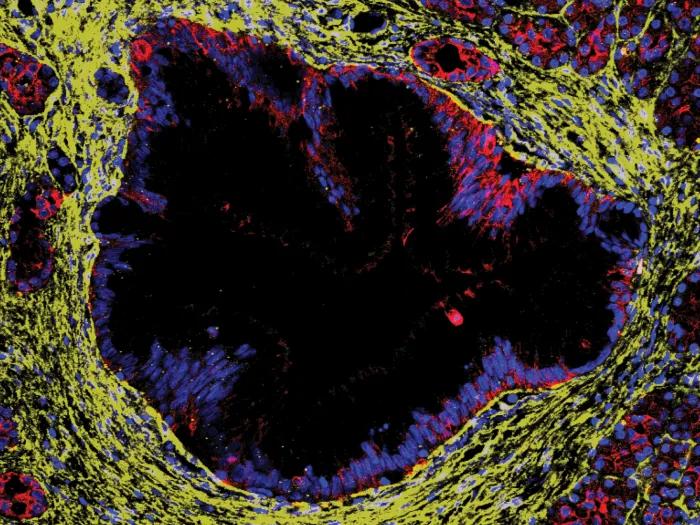
Understanding how a drug or radiation therapy affects proteins at a cellular level involves a deep scrutiny of details brought to life in color under a microscope. His efforts are focused on treatments that effectively target tumors and have the least impact on normal tissue.
Nyati finds his work "scientifically interesting but aesthetically fascinating as well."
His intrigue comes from how similar all cancers are, yet also how each tumor cell is unique and continues to evolve.
It is in these details, he hopes, that cancer cures will be discovered.

Health Lab
Explore a variety of health care news & stories by visiting the Health Lab home page for more articles.
Media Contact

Public Relations
Department of Communication at Michigan Medicine
Stay Informed
Want top health & research news weekly? Sign up for Health Lab’s newsletters today!
Featured News & Stories
A Cancer Researcher Finds Beauty in Real Life

Stopping Ewing sarcoma relapses where they start

Giving with gratitude: planned gifts support nursing, research, and patient care
Study sheds light on how early pancreas lesions become cancerous

Is there a "cliff effect” in physical activity after high school?