Breast cancer patient encourages women to commit to their health
Rubina Tahir learned young she had a BRCA1 mutation. Her dedication to yearly mammograms helped her catch her cancer early
5:00 AM
Author |
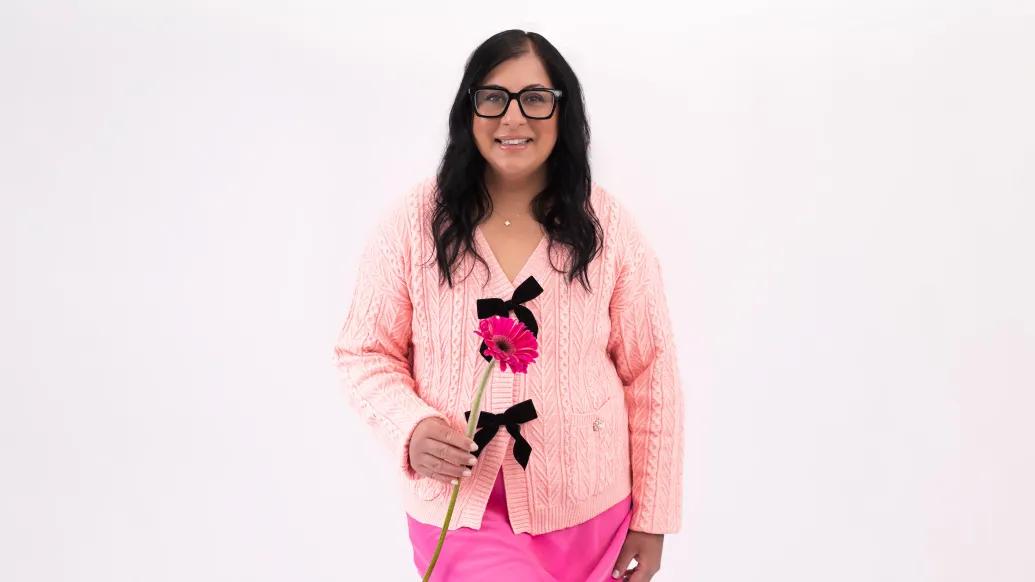
After Rubina Tahir learned in 2011 at age 31 that she had a BRCA1 genetic mutation that increased her risk of having breast cancer, she made a commitment to herself: She would get a mammogram every year, no questions asked.
She made her mammogram days special.
She’d schedule her appointment for the morning, then take the day off work to relax, treating herself to an iced latte (with two shots of espresso) at her favorite Ann Arbor coffee shop, followed by takeout and heading home to read.
In February 2025, her routine changed when the mammogram technician told her she needed a biopsy.
Tahir was glad she had the day off. She went to the gym to blow off steam.
She was diagnosed shortly after with ductal carcinoma in situ and became a patient at Rogel Cancer Center.
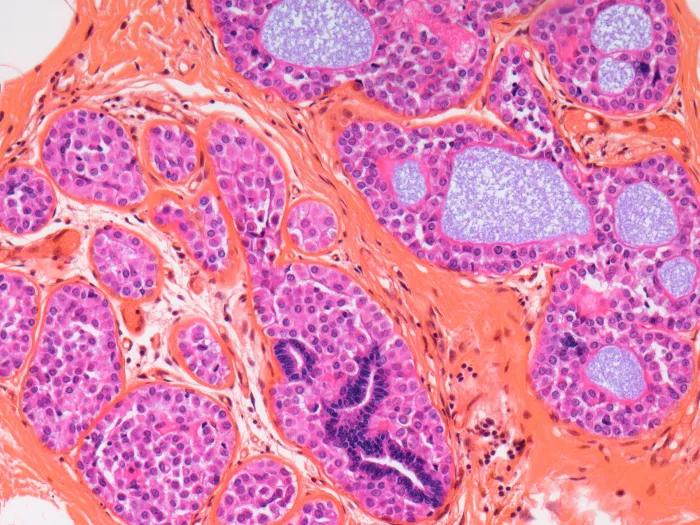
BRCA1 mutations raise the risk of developing DCIS, an early form of breast cancer where the cancer cells remain in the milk duct and haven’t spread to the breast tissue.
Tahir was afraid, but her commitment to herself and her health prepared her to handle the diagnosis and the decisions ahead.
“I had a good cry about it,” she said, “but at the end of the day, I knew what I had to do.”
Making cancer decisions with confidence
When Tahir was young, her mother had a double mastectomy after her own breast cancer diagnosis.
This motivated Tahir to live a healthy lifestyle, and she decided to become a chiropractor so she could help heal others.
She’s now owner of The Joint Chiropractic in Ann Arbor, where she lives with her husband and their 7-year-old.
SEE ALSO: Weiser Family Center for Breast Cancer
Before she learned she had a BRCA1 mutation, Tahir still thought of breast cancer as something that mostly affected older women.
But then, one of her family members was diagnosed with Stage III breast cancer in her 20s.
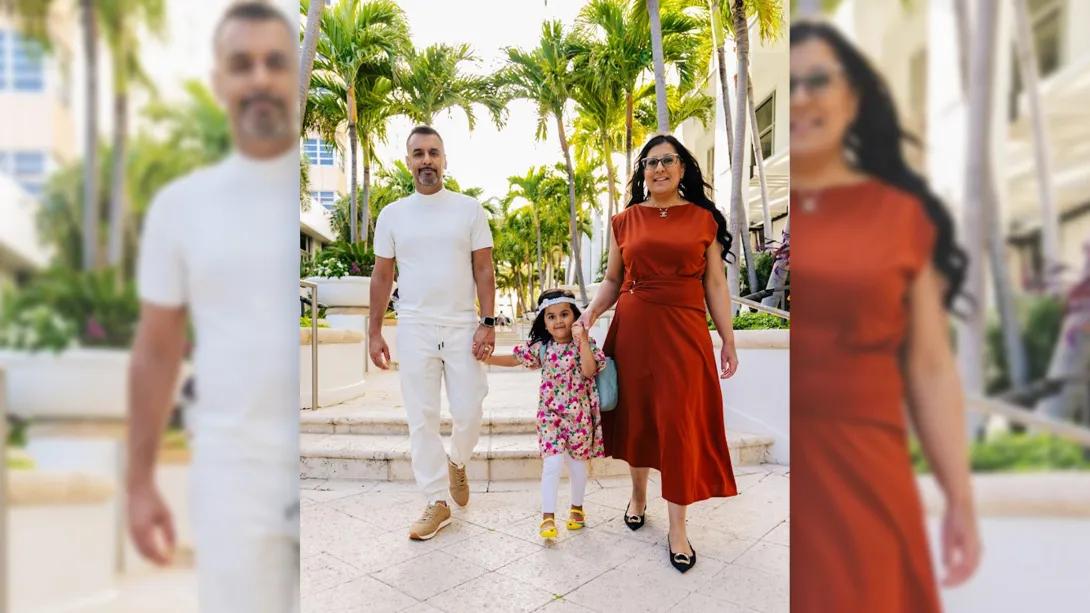
The relative urged Tahir to undergo the genetic testing.
“At first I thought, ‘There’s no way I’m doing that. It’s never going to be me,’” she said. “I kind of had my denial moment, but I wanted to show up for myself.”
After her diagnosis this spring, at age 45, Tahir continued her determination to face her health head-on.
In her years of getting mammograms, she’d already thought about what she would do if she had breast cancer.
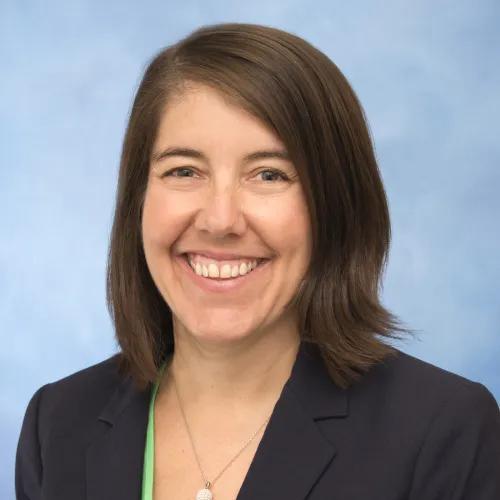
Tasha Hughes, M.D., at Rogel’s surgical oncology clinic gave Tahir the reassurance and support she needed through the decisions she had to make.
“Dr. Hughes is just so talented, and she’s such a good communicator,” Tahir said. “She really laid things out for me with science, but also with compassion.”
The two discussed Tahir’s desire to reduce her risk of recurrence as much as possible.
She also chose not to have implants and wanted to heal quickly from surgery.
I was hoping that I could create this relatable resource for women, so that they could grab the bull by the horns with their own journey and feel like they can do it. By seeing someone who has done it, they can find some comfort.”
Working with Jessica Hsu, M.D., Ph.D., they concluded that the best path for Tahir was a “Goldilocks” mastectomy.
In this type of mastectomy, which is an option for people who don’t want traditional reconstruction, surgeons use the patient’s remaining breast tissue to construct a mound.
“They really respected what I wanted to do with my body,” she said.
Now, when she looks in the mirror, Tahir says, the results of the reconstruction they chose together help her move forward after breast cancer while still feeling like herself.
Encouraging others to face their fears
Tahir believes her decision to get genetic testing and her diligence in getting mammograms saved her life.
Now, she wants other women to make the same commitment to themselves.
“I wish more and more women would go and know that it might be uncomfortable, but it’s what we need to do to protect ourselves,” said Tahir, who also had her ovaries prophylactically removed in 2023.
Tahir had already been teaching health seminars throughout her career. In March 2025, she gave a TEDx Michigan State University talk about how she dealt with her fear after learning she had a BRCA1 mutation.
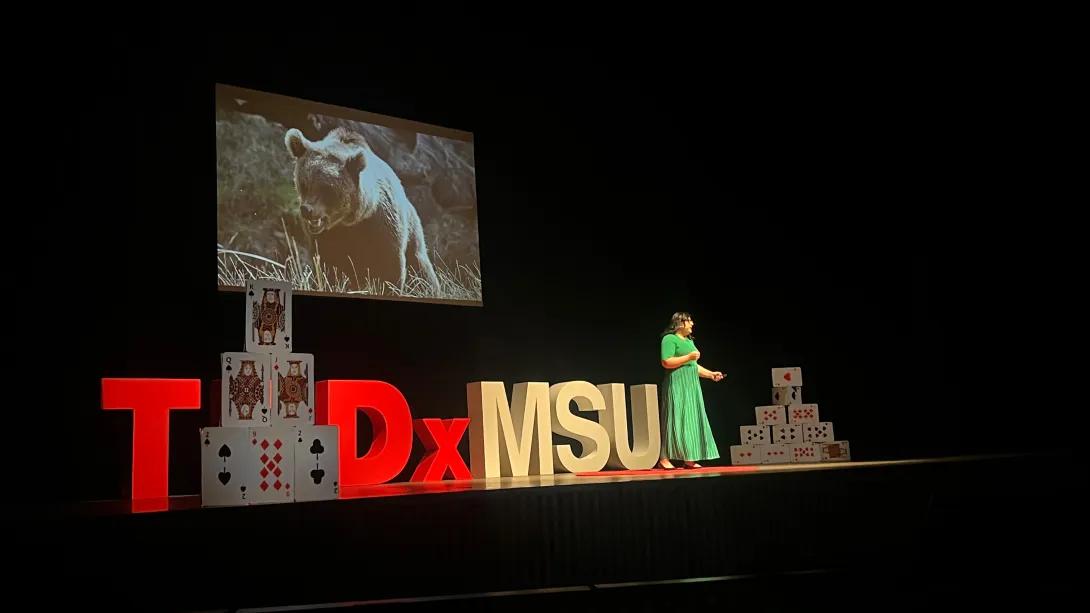
The talk was just two weeks before her mastectomy — and she’d applied to give it before her diagnosis.
Her message felt more important than ever.
On stage at TEDx, she told the story about sitting in the waiting room before her first mammogram, picturing her childhood imaginary friend to help talk herself through her fear.
By being honest about being afraid, she says, people can move on to understanding their options and making decisions.
When she receives messages from women who have watched her talk, she’s happy to know they feel less alone in the face of cancer or other health challenges.
“I was hoping that I could create this relatable resource for women, so that they could grab the bull by the horns with their own journey and feel like they can do it,” she said.
“By seeing someone who has done it, they can find some comfort.”
Sign up for Health Lab newsletters today. Get medical tips from top experts and learn about new scientific discoveries every week.
Sign up for the Health Lab Podcast. Add us wherever you listen to your favorite shows.

Health Lab
Explore thousands of health news & research stories by visiting the Health Lab homepage for more.
Media Contact

Public Relations
Department of Communication at Michigan Medicine
In This Story
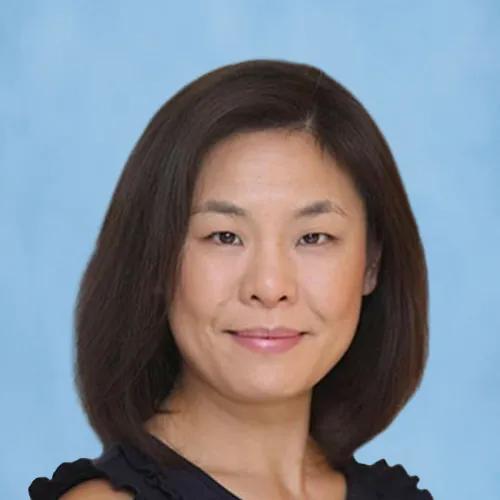
Jessica Jen-Tau Hsu, MD, PhD
Clinical Associate Professor
Tasha M Hughes, MD, MPH
Clinical Associate Professor
Stay Informed
Want top health & research news weekly? Sign up for Health Lab’s newsletters today!
Featured News & Stories
What is ductal carcinoma in situ breast cancer?
FDA-approved drug offers hope for patients with polycythemia vera, a rare bone marrow disorder
Pediatric patient treated for rare kidney cancer
Rare cancer diagnosis inspires community of support
U-M alumni return from Central Asia to seek treatment for their child at Mott