7 Surprising Things That Can Hurt Your Heart

Heart disease can be related to many sources. Here are several you might not expect.

7:00 AM

Author | Kevin Joy
Most people know that smoking isn't a heart-healthy habit. Nor is a diet rich in fatty foods — or consecutive days spent planted on the sofa to binge-watch a new favorite show. Whether because of lifestyle or genetics, culprits such as diabetes or a high cholesterol level also play a role in one's cardiovascular health.

In addition, many other things can be toxic to your ticker. Some of them might surprise you.

Consider these factors to help evaluate your own risk, and always talk to your doctor about your concerns.
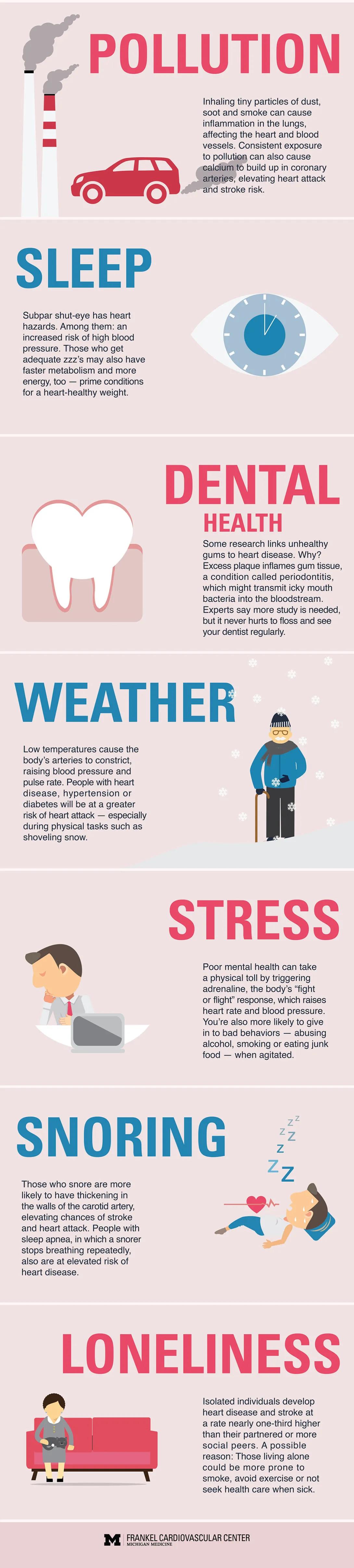
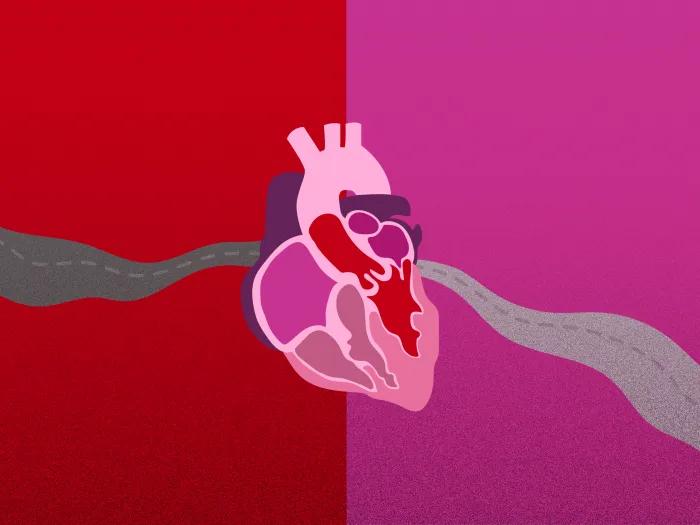
Consider these factors to help evaluate your heart healt risk: Pollution, dental, weather, stress, snoring and loneliness

Sources: Hypertension, University of Michigan; American Heart Association, Melvyn Rubenfire, M.D., University of Michigan; Henry Ford Hospital, National Institute of Dental and Craniofacial Research, American Dental Association, American Heart Association; BMJ, University of York


More Articles About:

Heart Health Heart disease Preventive Cardiology Cardiovascular: Diseases & Conditions
Health Lab word mark overlaying blue cells

Health Lab

Explore thousands of health news & research stories by visiting the Health Lab homepage for more.

Media Contact

University Hospital at U-M Health in the spring with flowering trees in foreground and Survival Flight helicopter visible

Public Relations

Department of Communication at Michigan Medicine

[email protected]

734-764-2220

Stay Informed

Want top health & research news weekly? Sign up for Health Lab’s newsletters today!

Subscribe

Featured News & Stories

Health Lab

How Sports Cardiologists Help Athletes Train and Play Safely

Active individuals with heart-related concerns might seek the help of a sports cardiologist. Here’s what these medical specialists can do.
Two people in medical scrubs are in a blurred hospital setting. In the foreground, hands are holding a digital tablet.
Health Lab

Digital alerts support timely treatment decisions of critically ill cardiac patients

Well-designed alerts for critically ill cardiac patients can change what happens at the bedside, according to new Michigan Medicine research.
Minding memory above a microphone on a blue background
Minding Memory

Is the United States Lagging Behind Europe in Memory Improvement?
In this episode, Lauren & Matt speak with Neil Mehta, PhD who is the associate dean for research and a professor in the Department of Epidemiology at the University of Texas Medical Branch in Galveston. Dr. Mehta’s research focuses on US life expectancy trends, the effects of obesity on disability and mortality, the sources of socioeconomic status disparities in mortality, and patterns of health in the United States and Europe. Dr. Mehta talks about a recent manuscript from the NIA-funded TRENDS study called “Trends in Memory Function and Memory Impairment Among Older Adults in the United States and Europe, 1996 to 2018.”, which looks at data from several sources to compare trends in memory function across 13 different countries.
surgeons in surgery operating room
Health Lab

Reducing infections after heart surgery could save Medicare $441 million per year
Study finds reducing infection rates after heart surgery could prevent 2,600 infections and save Medicare $441 million annually by bringing hospitals up to top performers.
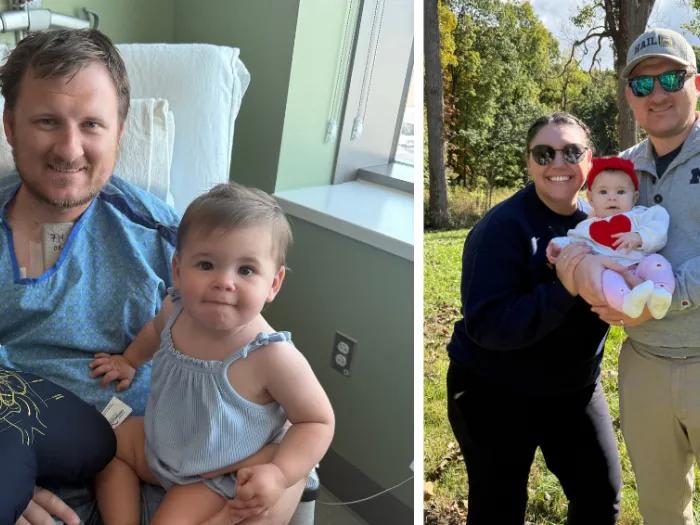
A man in a hospital gown sits in a room with a child and a heart shaped pillow. On the right. the same man poses with a woman and a child wearing a shirt with a red heart on it
Health Lab

Young father survives aortic dissection after delayed diagnosis
A 28-year-old father survived a life threatening aortic dissection after seeking a second opinion, highlighting that the condition can strike young adults.
Health Lab

Weighing TAVR vs. SAVR for aortic stenosis treatment

Learn the differences between Transcatheter Aortic Valve Replacement (TAVR) and Surgical Aortic Valve Replacement (SAVR) for treating aortic stenosis.