6 Ways Lung Cancer Patients Can Fight Stigma
False notions about the disease can prompt an unsympathetic reaction from others and shame a patient. Shift the conversation with these strategies.
1:00 PM
Author |
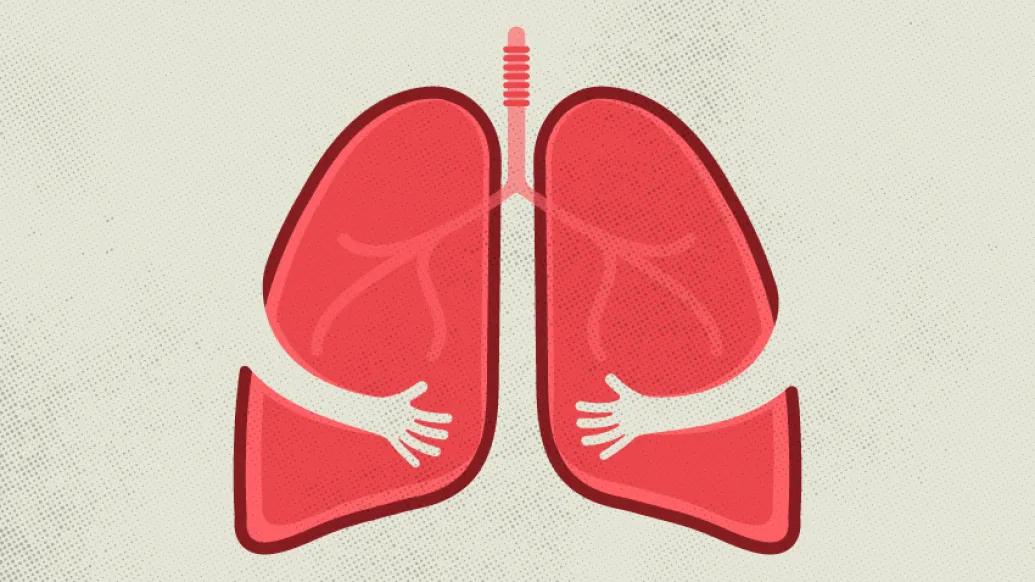
"Do you smoke?"
It's a question a person with lung cancer dreads but may hear often.
That loaded query captures the stigma associated with a lung cancer diagnosis. It assumes that the person living with the disease engaged in risky behaviors that caused the illness.
LISTEN UP: Add the new Michigan Medicine News Break to your Alexa-enabled device, or subscribe to our daily audio updates on iTunes, Google Play and Stitcher.
But that isn't always the case.
"There are a lot of people who do smoke and never get lung cancer," says Collette Hodges, a nurse practitioner specializing in thoracic oncology at the University of Michigan Rogel Cancer Center.
Meanwhile, lung cancer is on the rise in nonsmokers.
As many as 20 percent of the people who die from lung cancer in the United States every year have never smoked or used tobacco, the American Cancer Society reports. That's about 30,000 Americans a year.
Put another way, if lung cancer in nonsmokers was tracked separately, it would rank among the top 10 fatal cancers in the United States.
"It's not necessarily a self-induced disease," Hodges says. "There is so much we're learning these days, including how the environment can impact the lungs."
Still, she sees the effects of the stigma in patients — regardless of their background — and regularly doles out coping strategies.
In recognition of Lung Cancer Awareness Month this November, Hodges shared some advice:
Ways to reduce lung cancer stigma
1. Keep a positive attitude
Guilt breeds anxiety, depression and anger. None of those feelings help with treatment, Hodges notes.
MORE FROM MICHIGAN: Sign up for our weekly newsletter
But taking action can. "Once patients are in treatment and doing something against their cancer, their anxiety and stress levels decrease and they forget that stigma," she says, encouraging a positive attitude throughout the journey.
"That's the advice I give over and over: Always hope for the best outcome."
2. Embrace your social worker
Social workers help patients with cancer live better and address issues they might not realize, Hodges says.
He or she assesses the patient and recommends necessary next steps, such as seeing a psychiatrist who specializes in oncology through the PsychOncology Program or solving a home safety concern.
3. Say yes to complementary therapies
Creative arts can be a crucial tool for stress reduction. Programs such as guided imagery, music therapy and art therapy — as well as acupuncture and massage — are available for cancer patients.
SEE ALSO: New Options and New Hope in Lung Cancer Treatment
These therapies are often offered free or for a small fee and can be tailored to a patient's needs.
4. Find a support group
Sharing a cancer journey with someone walking in the same shoes promotes understanding and acceptance.
"You'll learn how other people cope," Hodges says. "The knowledge other patients have is tremendous," and they will act as mentors.
Although support groups dedicated to lung cancer are rare, Hodges says groups catering to all cancer patients are an invaluable resource. Keep an open mind and look for opportunities to grow from other people's tribulations.
5. Ask questions
The more a person understands about his or her cancer, the better an advocate he or she can be.
"Never be afraid to ask questions," Hodges says. "You should feel comfortable asking whatever you want. If you don't have that trust from your care provider or you don't have that kind of communication, maybe you should be seen by somebody else."
SEE ALSO: 7 Ways to Support a Friend with a New Cancer Diagnosis
Write down every question that comes to mind, even if it's a suggestion from a family member, neighbor or friend.
6. Bring a friend
Patients should bring a friend to every doctor's visit, treatment or blood draw, Hodges suggests. Not only do friends make great chauffeurs, but the outing also becomes more social, curbing isolation that can arise with a cancer diagnosis.
"There is something healing about having a loved one by your side, cheering you on," she says.
To speak with an oncology nurse, call the Rogel Cancer Center's Cancer AnswerLine at 800-865-1125.

Health Lab
Explore thousands of health news & research stories by visiting the Health Lab homepage for more.
Media Contact

Public Relations
Department of Communication at Michigan Medicine
Stay Informed
Want top health & research news weekly? Sign up for Health Lab’s newsletters today!
Featured News & Stories

How have diagnostic and treatment decisions for prostate cancer changed in recent years?

Immune system protein is a cancer killer on its own, new study shows
Online resources and coaching helped people seek genetic testing for cancer

‘Molecular glue’ stabilizes protein that inhibits development of non-small cell lung cancer and uterine cancer

Exceptional response to immunotherapy gives patient with liver cancer more milestones to celebrate