5 Easy, Low FODMAP Diet Recipes for Every Meal
A Michigan Medicine dietitian explains the diet’s framework and whom it can help, plus a sample day of eating on the plan.
7:00 AM
Author |

Designed to identify and weed out certain carbohydrates known to trigger irritable bowel syndrome, the low FODMAP diet requires dedication, prep work and lots of label reading.
MORE FROM MICHIGAN: Sign up for our weekly newsletter
But that doesn't mean the elimination diet — a two- to four-week process that banishes a host of foods and then gradually reintroduces them one at a time to identify tolerance — isn't worth the effort.
Nor is there a malnutrition risk from paring down the contents of your refrigerator and pantry.
"You can still eat a very balanced diet made up of low FODMAP foods," says Lauren Van Dam, M.S., R.D., C.N.S.C., a senior dietitian at Michigan Medicine. "Overall, many people end up eating more healthfully, since many processed foods contain high FODMAP ingredients."
That's because the low FODMAP diet, developed in Australia more than a decade ago, is rooted in select fresh produce, meats and grains. Foods that don't make the cut include high fructose corn syrup, garlic, onions and wheat.
The reason those and countless other ingredients get the boot: They contain short-chain carbohydrates that are poorly absorbed and highly fermentable (or gas-producing) by gut bacteria. Some items — various fruits and veggies included — also are more osmotic, pulling water into the gut that could incite loose or more frequent bowel movements.
SEE ALSO: Can an Elimination Diet Help You Lose Weight?
Adherence to the low FODMAP diet (an acronym for fermentable oligo-di-monosaccharides and polyols) marks a big lifestyle shift for some, especially those unaccustomed to cooking at home.
It's why you shouldn't attempt the regimen without a dietitian's guidance. Van Dam, for one, usually sees patients three times over several weeks to systematically reintroduce high FODMAP foods one group at a time to identify which are problematic or need to be limited, as well as FODMAPs that are well-tolerated.
Ultimately, the goal is for patients to end up with a modified version of the diet that works for them.
And it works for many: Last year, a Michigan Medicine study found that 61 percent of low FODMAP dieters saw a "meaningful" improvement in quality of life in regard to lessening their IBS symptoms.
Notes Van Dam: "Definitely, a large portion of patients report that they feel better, they have more energy. The diet just becomes second nature to them at that point."
Michigan Medicine launched a website to explain the particulars of the low FODMAP diet. Van Dam shared five of her favorite recipes from the site:
Breakfast
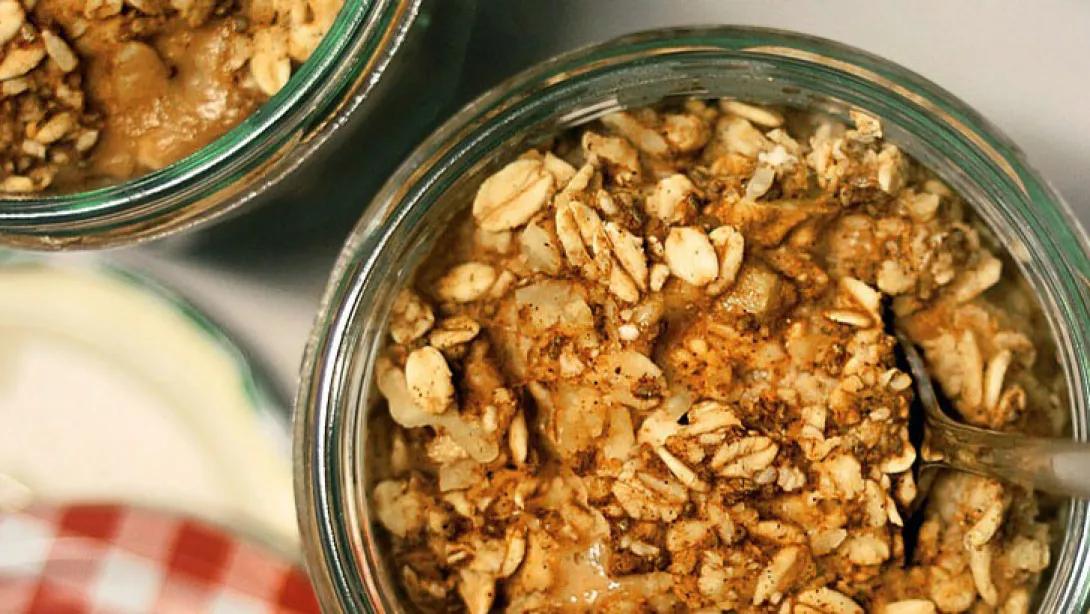
Peanut Butter and Banana Overnight Oats. Click here for the full recipe
Lunch
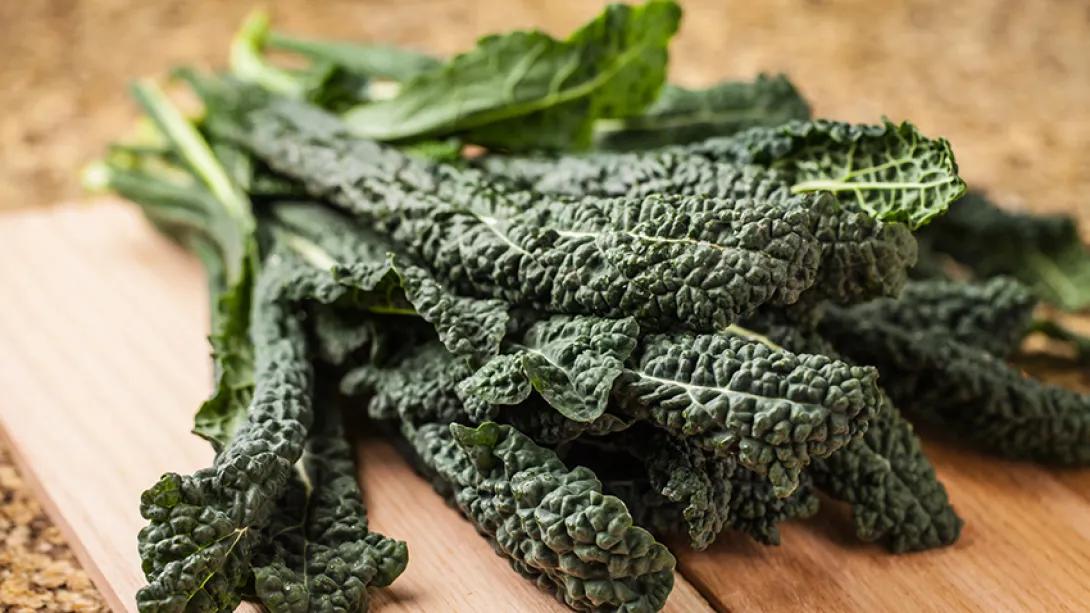
Superfood Salad with Kale, Pepitas and Quinoa. Click here for the full recipe
Snack
Roasted Red Pepper Hummus. Click here for the full recipe

Dinner
Chicken Piccata and Roasted Broccoli with Pine Nuts. Click here for the full recipe

Dessert
Cookie in a Mug. Click here for the full recipe; recipe by Kate Scarlata


Health Lab
Explore thousands of health news & research stories by visiting the Health Lab homepage for more.
Media Contact

Public Relations
Department of Communication at Michigan Medicine
Stay Informed
Want top health & research news weekly? Sign up for Health Lab’s newsletters today!
Featured News & Stories

How gastroenterology nutrition therapy has evolved

Liver cancer can be preventable. Do you know the treatable risk factors?
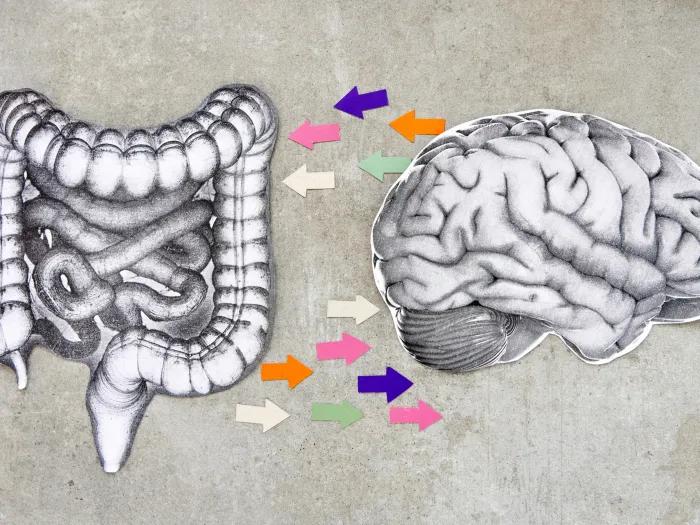
Identifying avoidant, restrictive food intake disorder in gastroenterology patients
As probiotic use surges, microbiome-supportive food consumption stagnates

Many parents face challenges getting kids to eat a healthy breakfast before school