From 20 seizures a day to more time for play: How personalized epilepsy care helped young patient
Rare genetic diagnosis helped guide treatment for Cole, now 7, whose seizures began as a baby
9:00 AM
Author |
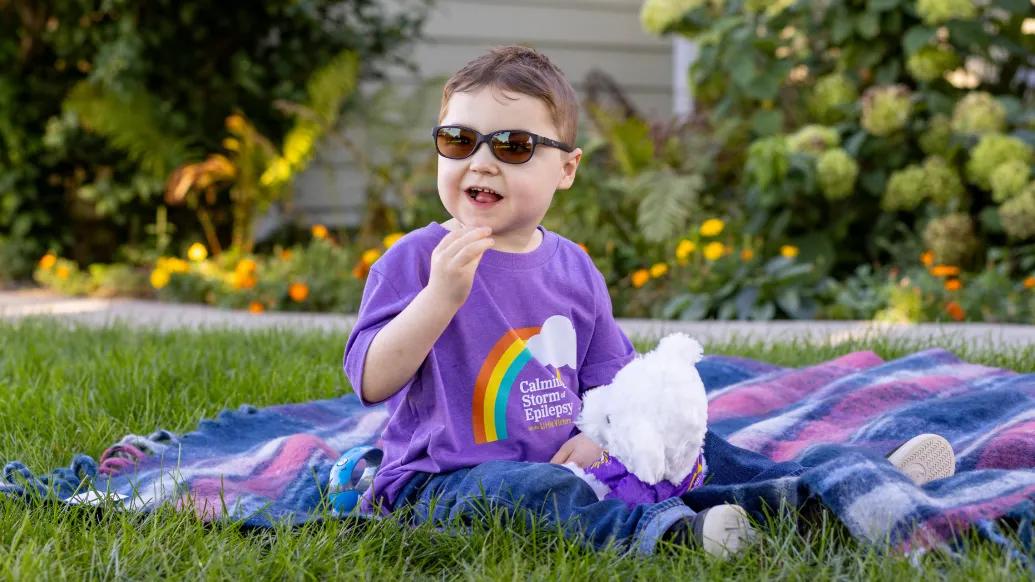
At first, Cole Yockey’s parents weren’t sure whether his frequent spit-ups, delays in developmental milestones and jerky movements as an infant were typical.
They were shocked to later learn these signs were likely related to infantile spasms, rare and subtle seizures that can cause brain damage.
Initial testing for epilepsy came back negative, and doctors considered other possible explanations for his symptoms.
Then, before his first birthday, Cole experienced a prolonged seizure that wouldn't stop. He was rushed to University of Michigan Health C.S. Mott Children’s Hospital where his family started their journey to find answers.
Cole’s care team advocated for advanced genetic testing through the Mott Pediatric Genetics Clinic. It revealed a rare genetic variant in GRIA2, a gene associated with the brain’s signaling system.
“We were told Cole was one of less than 30 people in the world known to have it,” his mom, Emily Yockey, said.
Learn more about how to support epilepsy care and research at U-M Health C.S. Mott Children’s Hospital
Genetic insights lead to personalized treatment
Neurologists at the Mott Comprehensive Pediatric Epilepsy Program worked to better understand the biology of Cole’s condition, including through collaboration with researchers in London.
The genetic finding pointed to a problem involving overactive glutamate receptors, which play a role in communication between brain cells. Understanding this mechanism helped guide decisions about which treatments might be most beneficial for Cole.
“Cole’s case is a prime example of the need for comprehensive genetic testing and cross collaboration with basic science when we have patients with unexplained epilepsy,” said Julie Ziobro, M.D., Ph.D., a pediatric neurologist at Mott.
“A detailed diagnosis and ability to characterize underlying genetic changes in the lab was the only way we could have identified the specific drug and dosing that would help him. It wasn’t treatment we’d typically use for a child his age. But a standard approach to epilepsy care wouldn’t work for Cole.”
Based on these collaborations, Cole’s doctors recommended a high dose of perampanel, an antiseizure medication that targets AMPA receptors involved in glutamate signaling, alongside a ketogenic diet.
And the results were striking.
Cole had been experiencing 10 to 20 seizures a day. After treatment changes, his seizures decreased to about one every two weeks and more recently, his mom says, he’s sometimes gone three to four weeks between seizures.
“There's not much you can do when your child's seizing all day,” Emily Yockey said. “You don't go about your regular business or your regular life, and they don't really have much time to play or do anything like that. The change was amazing.”
Nutrition also plays an important role in Cole’s treatment plan with his ketogenic diet, supported by a Mott dietitian, being a key part of his care.
The results in Cole’s case were so encouraging that Ziobro and colleagues from Michigan and London published their findings on the successful use of this precision therapy in journal Epilepsia.
More time to be a kid
Now seven, Cole has more opportunities to grow, learn, play and experience childhood, his family says.
Although he still experiences seizures, and illness can sometimes disrupt progress, his mom describes these setbacks as bumps in the road compared to the days when life revolved around managing one episode after another.
Now, she sees her son making progress in ways that once felt harder to imagine.
Cole can sit independently, pull himself up to stand and work toward walking with his gait trainer. He enjoys physical and occupational therapy with his team in Monroe, and he loves Sesame Street, especially watching Elmo and Mecha Builders.
“He's so much more interactive,” his mom said. “You have a child that went from having seizures all day and being exhausted from them to being able to laugh at things. That's just an incredible difference.”
Cole's experience shows the remarkable value of connecting genetic findings with individualized care.”
- Julie Ziobro, M.D., Ph.D.
Helping others find answers
Because Cole’s genetic condition is so rare, his family has connected with other families through Cure GRIN, an organization supporting people affected by GRIN-related disorders. The number of identified individuals has grown substantially since Cole's diagnosis, as genetic testing and awareness have expanded.
For his family, one of the most encouraging developments is the growing recognition of the condition, which has since been added to an epilepsy genetic testing panel.
This creates more opportunities for children with similar symptoms to receive an earlier diagnosis and gives clinicians important information to consider when evaluating treatment options, Ziobro says
“Precision medicine is helping us identify treatments based on the specific genetic cause of a patient's epilepsy, rather than relying solely on conventional approaches to controlling seizures,” she said.
“Although each child is different and a particular medication may not work the same way for everyone, Cole's experience shows the remarkable value of connecting genetic findings with individualized care.”
Sign up for Health Lab newsletters today. Get medical tips from top experts and learn about new scientific discoveries every week.
Sign up for the Health Lab Podcast. Add us wherever you listen to your favorite shows.

Health Lab
Explore thousands of health news & research stories by visiting the Health Lab homepage for more.
Media Contact

Public Relations
Department of Communication at Michigan Medicine
In This Story
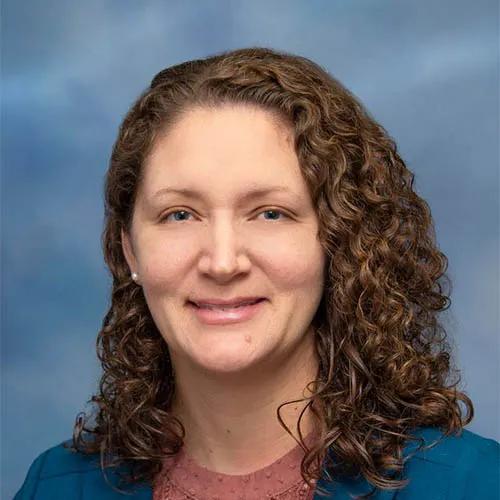
Julie Ziobro, MD PhD
Assistant Professor
Related
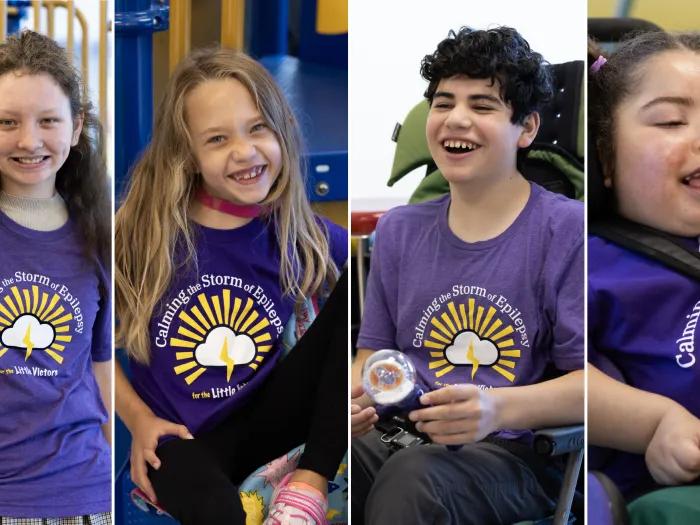
The faces of epilepsy: finding strength in hope

Ketogenic diet helps 4-year-old live seizure free
Stay Informed
Want top health & research news weekly? Sign up for Health Lab’s newsletters today!
Featured News & Stories
More babies with hypoplastic left heart syndrome surviving critical period between surgeries

Type 1 diabetes does not mean sitting out for 10 year old

Distance, insurance, social factors may hinder access to lifesaving heart monitoring for children

Going the extra 100 miles

High dose oxytocin protocol linked to lower postpartum hemorrhage rates