We know what's good for us, right? The basic advice — exercise, sleep well, eat well, don't smoke, don't drink too much, reduce stress — keeps getting recirculated in endless online lists meant to help us just get through the day … or through a global pandemic. Most of us are well informed about basic self-care. So what keeps us from doing what's best for ourselves?
There are as many answers to that question as there are people asking it, but most of those answers boil down to the old adage: it is easier said than done. And what was difficult before COVID-19 can seem even harder now. Caring for ourselves when the world is falling down around us can feel almost impossible.
How can we get motivated to take care of ourselves? Victor Strecher, Ph.D., professor of health behavior and health education in the U-M School of Public Health, has the answer. That may sound facile, but Strecher did not come by this wisdom easily.
Strecher and his wife radically reevaluated their priorities nearly 30 years ago. Their daughter Julia suffered heart damage from a chicken pox virus and received a heart transplant at C.S. Mott Children's Hospital when she was just 14 months old. "Life turned from black and white into color," he recalls. "We started living our daughter's life as if every day might be her last."
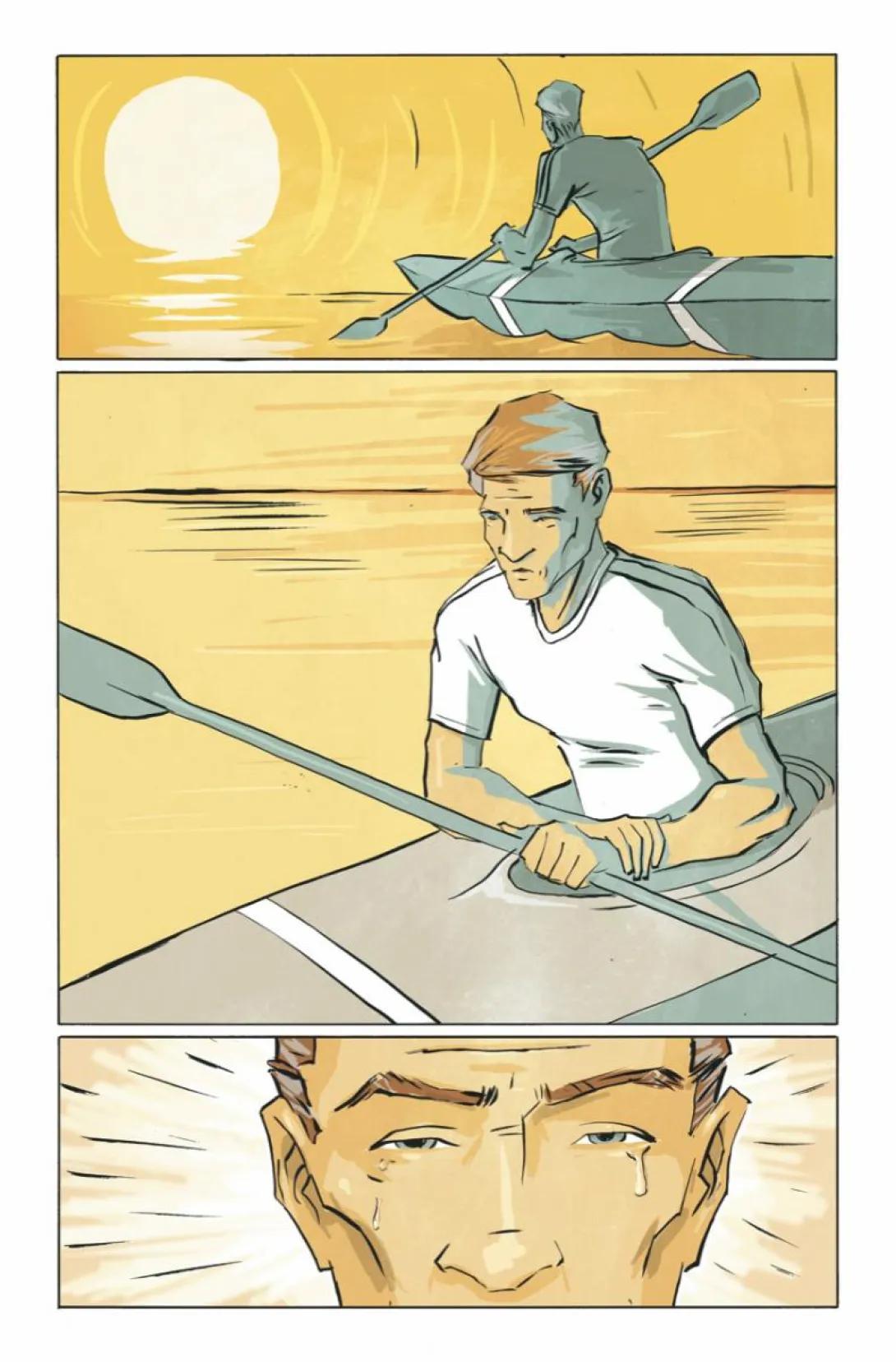
By age 9, Julia had had her second heart transplant. In 2010, at the age of 19, Julia died. In the aftermath of her death, Strecher's life went back to black and white. At a low point, he got up one morning and kayaked on Lake Michigan, thinking he might just keep paddling out and never return. That's when he felt his daughter's presence, and he heard her voice saying, "You've got to move forward, Dad."
Finding Purpose
In that moment, Strecher was motivated to live for something bigger than himself. He recommitted himself to his life's purpose, a "central self-organizing aim," as he puts it, that would give meaning to all of his actions, big and small. He has since devoted his life to helping others find purpose and meaning in their own lives. He has researched the topic extensively and found that having a strong life purpose is connected to all sorts of positive health outcomes, including a decreased risk of depression, heart disease, and Alzheimer's disease. It may even decrease susceptibility to COVID-19. "People with a strong life purpose actually have stronger immune systems," he says. In addition to his research, Strecher has written books on the topic, and he teaches a free online course, "Finding Purpose and Meaning in Life: Living for What Matters Most."
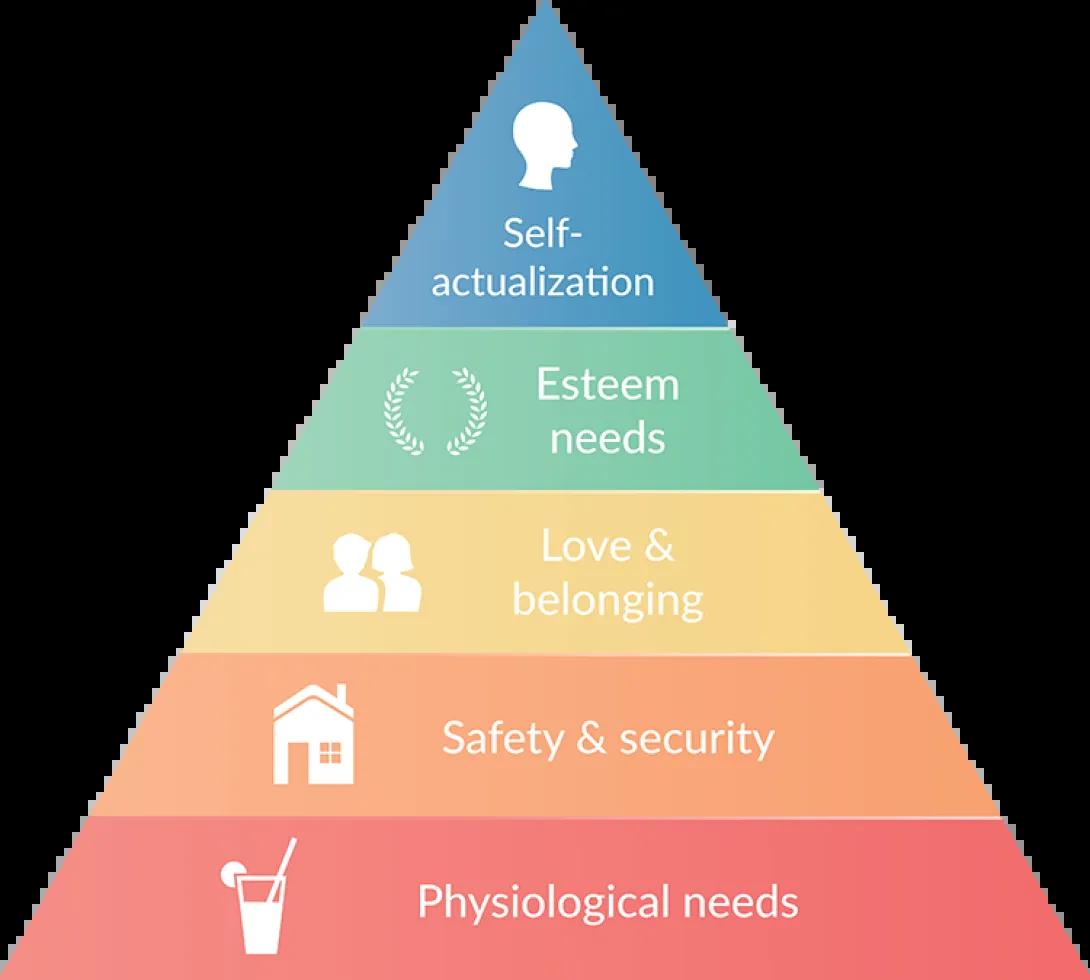
"So many people think life purpose is at the top of Maslow's hierarchy [of needs]," says Strecher, "but it's actually at the base," with physiological needs such as food and water. In other words, it's one of the building blocks for living life, rather than merely existing.
But even the basics can be a stretch when we're weathering a global pandemic. When you are struggling with finding a reason to get out of bed, an exercise routine and a diet full of fresh fruits and veggies may seem trite and even impossible to achieve. And what of finding a life purpose? We might as well ask for the moon.
We may find ourselves incredulous, asking not only, "How can I find my life's purpose?" but also, "How can I be expected to do that in the middle of a global crisis?"
Viewing the Pandemic as an Opportunity to Reprioritize
To answer those questions, Strecher quotes Nietzsche: "He who has a why to live for can bear almost any how." Just as his daughter's illness helped him live life in color, Strecher believes the pandemic is an opportunity for people to reprioritize, to find the why that will motivate their how.
"The pandemic, like any crisis, any difficult time, is a time when our egos become shattered," he says. "When everything is going right, you can live in your own bubble more easily." When the bubble breaks, sometimes we see more clearly. "That's what I think COVID can do for people.
Anna* is someone who found herself struggling emotionally at the beginning of the pandemic. Having organized her retired life around meaningful volunteer projects and spending time with her grandchildren, she found herself without many of the things that gave her life vitality and meaning.
After several bouts with cancer, Anna had found purpose in helping the Brides Project, a local organization that resells donated wedding gowns, giving the proceeds to the Cancer Support Community of Greater Ann Arbor. "It has been such a rewarding experience," she says. "Sadly I can no longer continue until, as my oncologist says, there is a vaccine. This pandemic changes everything."
"This is so hard right now," says Strecher. "I don't have easy answers to all of this." He advocates for creativity, finding new ways to express oneself, and paying attention to the small things. He also acknowledges the particular burden of the pandemic on people who are isolated in nursing homes and hospital rooms. "My dad had three heart attacks, and spent a lot of time at U-M hospital by himself. … Even in a hospital room, he was talking to us on the phone, just showing strength, showing strength to his nurses and aides and doctors and trying to buck them up a little bit. People can be purposeful in little things," says Strecher. "It's not the perfect answer, but those are the things that matter most."
Can We Achieve Post-Traumatic Growth?
Anna is a longtime patient of Michelle Riba, M.D., professor of psychiatry, associate director of the U-M Depression Center, and director of the PsychOncology Program at the Rogel Cancer Center. Riba helped Anna through her cancer treatments, and, during the pandemic, has helped Anna work on ways to feel less like a victim. Anna has become even closer to her husband, and has really focused on her self-care routine. She has also relished the lack of busyness, taking time to be introspective. Before COVID-19, Anna pursued her love of visual art by taking classes the U-M History of Art Department. With Riba's encouragement, Anna has gotten back into her old pastime of watercolor painting, which she finds immensely satisfying.
Despite not being able to volunteer with the Brides Project, Anna has still found creative ways to remain engaged, including curating an online column focusing on art created during COVID as well as during other pandemics. Helping people see life changing situations through an artistic lens, Anna thinks about how creating and sharing this art during cataclysmic times is "a powerful lifeline to better cope with the unknown."
Anna's purposeful actions have helped her redefine herself as "someone who can definitely cope," she says. "Not just survive — but thrive."
It's exactly this kind of creativity and resilience that Strecher champions. "This is a crisis that we can really learn a lot from," he says. "When we look back a year from now (or two or five years from now), can we look back and say, 'I'm pretty proud of how I managed that crisis'?" Instead of post-traumatic stress, Strecher believes we can achieve post-traumatic growth.
Thinking about the future in this way can help us solidify our purpose in the present. Quoting Jonas Salk, Strecher says, "Our greatest responsibility is to be good ancestors." Strecher uses Salk's words to frame a thought experiment that can help us figure out what our purpose is in this extraordinary moment. "Will we be perceived as good ancestors 50 years from now, 100 years from now, 500 years from now? Will people look back on this time and say, 'Those people were good ancestors'? That's what I want to be."
*Name has been changed
Featured News & Stories

What’s the latest on 7-OH and kratom availability and addiction care?

Depression in OBGYN residents needs more attention, study suggests
Pain, psychological factors and physical function closely linked in people with systemic sclerosis
A tragedy and a trial shine a spotlight on new moms’ mental health
How to improve mental health safety on social media – not just for young people