When Your Child Suffers a Concussion: A Social Worker’s Role
Caring for a child’s mental health after a concussion is just as important as treating the physical symptoms.
7:00 AM
Author |
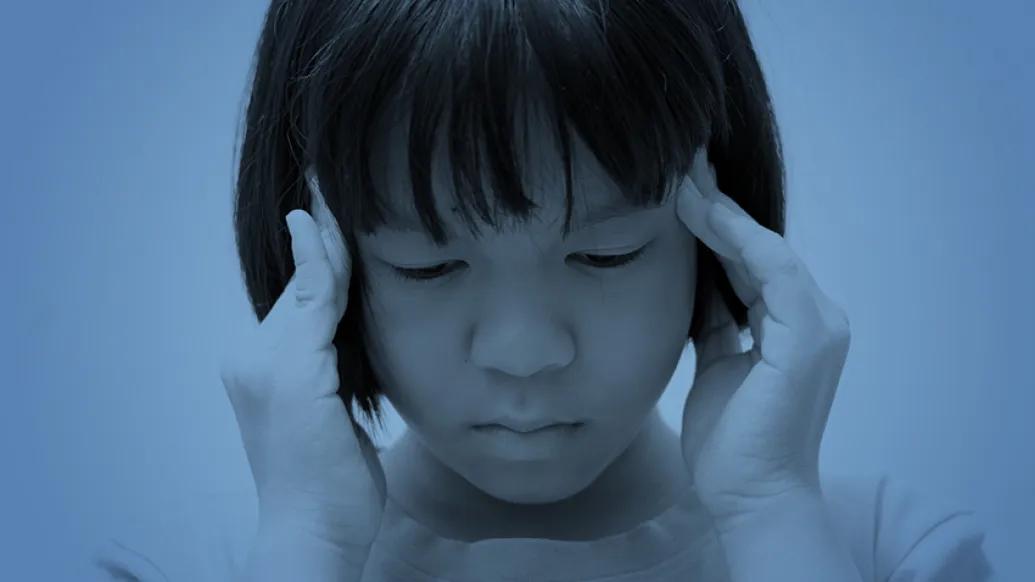
Mental health is a critical factor in concussion recovery. In addition to physical symptoms of concussion, such as headaches, dizziness and neck pain, patients may suffer from irritability, depression and anxiety.
Both mental and physical symptoms must be addressed, says social worker Kris Konz, MSW, who sees patients at the Michigan Medicine NeuroSport concussion clinic.
LISTEN UP: Add the new Michigan Medicine News Break to your Alexa-enabled device, or subscribe to our daily audio updates on iTunes, Google Play and Stitcher.
"The referrals come to us when doctors feel the patient may benefit from therapy," Konz says. "Our goal is to help the patient recover and move forward."
Konz works primarily with teen athletes, although she also counsels adults who have been involved in sports and have suffered a concussion. She helps patients work through post-concussion issues and emotions.
"No two patients are the same," she says, but there are often common issues that affect kids who have experienced a concussion. Konz helps them — and their parents — accept that there is a mental health component of concussion recovery.
Mental health symptoms of concussion that are often considered red flags include:
-
Lack of joy
-
Social withdrawal
-
Decreased ability to handle stressors
When these types of mental health symptoms are present, patients and parents need to consult with a physician to address concerns.
What kids go through
"Many of my patients are junior high or high school athletes who have suffered at least one concussion," Konz says. "They sometimes take a long time to heal."
"Some are waiting to be released back to their sport, and a very small percentage may never be able to go back," she says. "These athletes may experience frustration, anxiety or depression about not being able to get back to their sport. Or they're frustrated about the time it's taking for them to recuperate."
Some kids are fearful to go back out on the field because of trauma and anxiety about their concussion-related experience.
SEE ALSO: 8 Common Misconceptions About Concussions
"Parents, teammates and coaches might be encouraging the child to get back to playing before he or she is ready," Konz says. "This causes stress on both sides."
Some of the patients Konz sees are competitive, and underlying anxiety gets in the way of going back to play.
"They're afraid of getting hurt again, yet they want to go back," she says. "Other kids get a taste of what life is like without structured practices and demanding schedules associated with the sport and may decide they don't want to play again."
In these and other cases, Konz says, "kids can benefit from talking with a professional."
Konz works with patients to develop coping skills related, but not limited, to:
-
Improving communication with their parents
-
Managing negative thoughts
-
Processing feelings associated with their recovery process
-
Finding a safe alternative to their sport if they choose not to return to it (an alternative that will give them equal gratification)
-
Avoiding an all-or-nothing perspective ("This is how things are today, but they may change in the future" can give the athlete a sense of hope)
Konz also educates patients and parents on recommendations made by their physician.
How parents can help
Konz works with parents to help them understand and support their child through a difficult period during the recovery process.
"Their post-concussion experiences often bring weaknesses in the family dynamics to the surface," she says.
"Parents must realize their child's life has changed," Konz says. "They're spending time at home when they're accustomed to being with friends and teammates at school. Often, kids feel their entire life has been turned upside down, and they have no control over it."
Concussion can also affect a person's self-worth. For example, children who excel at sports but not academics are faced with the reality that they can no longer do what made them feel good about themselves.
SEE ALSO: What Happens When You Get a Concussion — and What Happens Next
"Parents can help by encouraging the child to do other things that bring about a sense of pride, while not minimizing the emotional impact the change is having on the child," Konz says.
Teens may also need help adjusting to the demands of getting back to school and catching up on missed assignments.
"Special accommodations are needed when the child goes back to school," Konz says. Depending on their issues, this might involve test-taking in a secluded environment, indirect lighting or fewer assignments.
"As a parent, you need to take the initiative to make sure your child's needs are understood and are being met at school," Konz says. "If the school is not collaborative or helpful, it may be necessary to keep moving up the administrative ladder until accommodations are made."
Since every concussion and recovery process is different, Konz encourages parents to be supportive of their child, regardless of the stage or path of recovery.
She also urges parents to communicate with the clinical care team about their child's recovery. "It's so important to be open with the team so that any struggles with mental health can be addressed."

Health Lab
Explore thousands of health news & research stories by visiting the Health Lab homepage for more.
Media Contact

Public Relations
Department of Communication at Michigan Medicine
Stay Informed
Want top health & research news weekly? Sign up for Health Lab’s newsletters today!
Featured News & Stories

Many hospitals still don’t do enough to prevent UTIs from catheters
E-Bikes are everywhere, but most parents say they don’t know enough about them

C.S. Mott Children’s Hospital named No.1 children’s hospital in Michigan by U.S. News & World Report

A concussion expert and football father discusses why he values teamwork over zero-risk
Talent show brings joy to kids at children’s hospital