RSV: What parents should know
How you can prevent infection and look for more serious symptoms of RSV.
12:07 PM
Author |

Children's hospitals across the country are reporting unseasonably high numbers of respiratory illnesses just as families head into a season of expected spikes in flu and COVID-19.
Rising cases of respiratory syncytial virus, or RSV, as well as other illnesses like bronchiolitis and viral pneumonia have caused national concern about a strain on hospital resources and may also be worrisome for parents.
The good news, says Kimberly Monroe, M.D., M.S., interim chief clinical officer and pediatric hospitalist at University of Michigan Health C.S. Mott Children's Hospital, is that pediatricians have plenty of experience with these common infections and can help families manage them.
"We know that we are going to see a lot of RSV in the winter, but this is bread and butter pediatrics," she said. "We know what to do. We know that if we give supportive care, the vast majority of children will get better."
She offers families more guidance about pediatric respiratory illnesses, recognizing serious signs and what they may consider before taking a trip to the emergency department.
RSV is common and usually mild
RSV is a very common seasonal respiratory virus that typically causes mild, cold-like symptoms such as coughing, runny or stuffy nose, and fever. It enters the body through the eyes, nose or mouth.
"Most children with RSV have cold symptoms and can rest and recover at home," Monroe said. "If children are only exhibiting regular cold symptoms like coughing, sneezing or congestion, parents can call their pediatricians or primary care providers for direction."
Monroe also recommends keeping children hydrated and using over-the-counter medicines if age appropriate to help with fever.
While pediatricians see the infection in children every year, RSV seems to have emerged earlier and in higher numbers this season. Experts have different theories for why, Monroe says. One possible reason is that resuming regular interactions after two years of isolation during COVID-19 could be driving a spike – most children get RSV by the time they're two, and those who have it now didn't get it in years past when the number of interactions with other people, and the potential of exposure, were lower.
While rare, RSV can sometimes be serious
For the majority of respiratory illnesses in kids, parents are encouraged to call their primary care provider first and explore options such as telemedicine (if available) to get counseling about how to care for them at home or determine whether they need an in-person visit with their doctor or urgent care.
Most children with RSV have cold symptoms and can rest and recover at home.Kimberly Monroe, M.D, M.S.
However, in more rare cases, infections can sometimes be dangerous – especially for the elderly and children under the age of one year. There are times when patients may need oxygen or respiratory support or intravenous fluids.
If children are showing any of the following severe signs of RSV, Monroe says, they may need emergency care:
-
Visible respiratory distress or using additional muscles to breathe – flared nostrils, visible neck muscles, or blueness in the face or lips
-
Fevers (>100.4) in babies under
-
Fussy, irritable, or lethargic moods
-
Less eating or drinking than usual – for younger children and babies, this can also result in fewer diapers or less frequent bottle and breastfeeding
Though most children with RSV won't require a trip to the hospital, Monroe says parents should seek care they feel it is right for their child.
"If their gut says they need to bring their child in for attention right now, they should follow that instinct," she said.
Preventative measures are critical
Monroe also emphasizes the importance of preventative measures when it comes to protecting children against RSV and other seasonal illnesses.
People infected with RSV are usually contagious for three to eight days, according to the Centers for Disease Control and Prevention. The virus often spreads through coughing and sneezing but can also survive for hours on hard surfaces.
Regularly sanitizing things like toys, door handles and tables along with frequent handwashing, especially when coming home from work or the grocery store, can go a long way in reducing spread, Monroe says. Parents can also teach children to cough into tissues or elbows.
She also encourages parents to stay home when sick, reschedule playdates when children are sick, or wear a mask if leaving home becomes necessary. Staying up to date on vaccinations is also critical to infection prevention. Monroe encourages everyone who qualifies to get flu shots and the most up-to-date COVID-19 vaccinations, which are now available to children under 5.
"Vaccines continue to be one of our best tools in preventing serious illness from viruses like influenza and COVID-19," she said. "Higher vaccination numbers in children will help both our communities be healthier and reduce further strain on health system resources as we head into winter."

Health Lab
Explore thousands of health news & research stories by visiting the Health Lab homepage for more.
Media Contact

Public Relations
Department of Communication at Michigan Medicine
Stay Informed
Want top health & research news weekly? Sign up for Health Lab’s newsletters today!
Featured News & Stories

After 13 years of IV nutrition, teen finds freedom to just be a kid
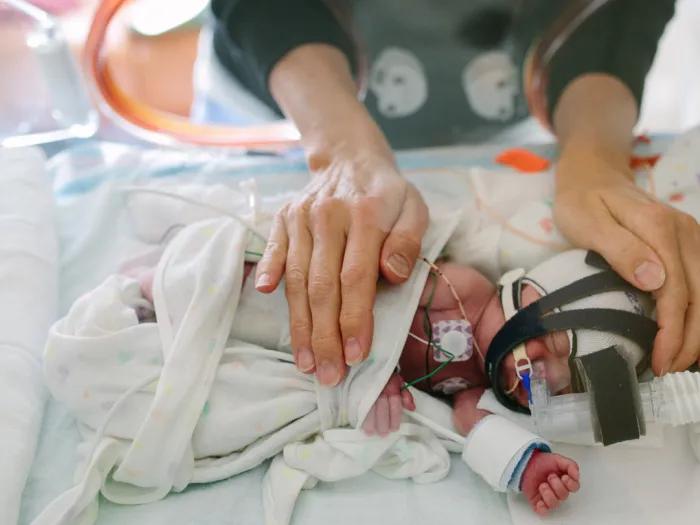
A gift for Michigan’s most vulnerable babies

Are you at risk of a genetic disease? Guidelines for testing should be updated, experts say
Small Pauses, Bigger Impact: Mindfulness in Action
FDA approved drug slows type 1 diabetes progression in 5-year-old patient