With Radiation Therapy, It Pays to Stay on Schedule
New research confirms the importance of keeping radiation therapy appointments.
5:37 PM
Author |
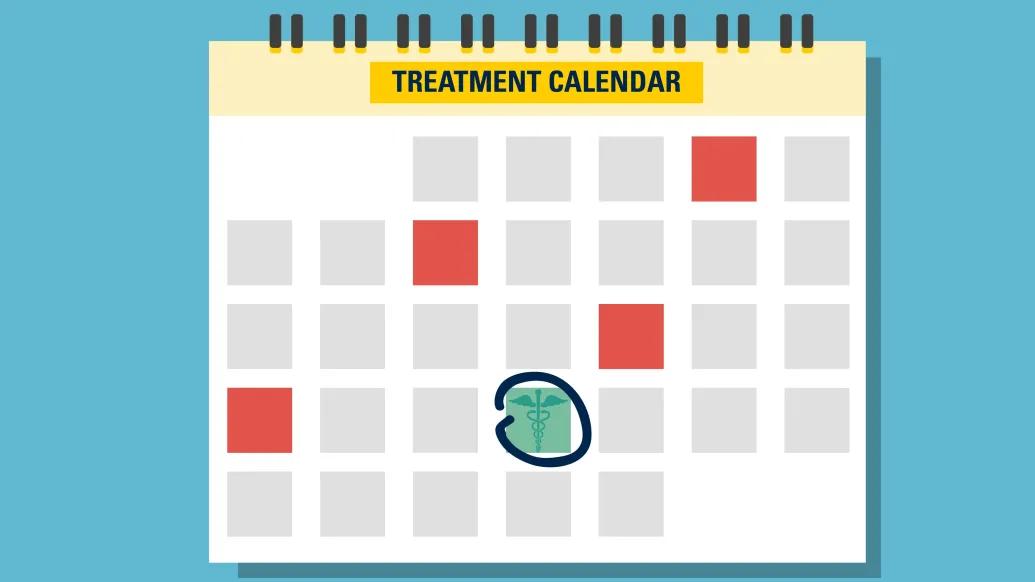
A new study suggests the importance of complying with radiotherapy treatment schedules for better cancer care outcomes.
James Hayman, M.D., a University of Michigan professor of radiation oncology who did not work on the study, recently spoke about the paper, which was published in the International Journal of Radiation Oncology Biology • Physics. The results, he says, remind patients of the importance of following treatment plans.
Tell us about the study and its findings.
Hayman: A group of researchers at the Albert Einstein College of Medicine looked at the medical records of about 1,200 patients in the Bronx, New York, who received radiotherapy as part of their cancer treatment. They wanted to compare those who were "noncompliant" with their radiation therapy plans — missing more than one of their scheduled appointments — with those who missed no more than one, to see whether there were differences in their outcomes.
They found that 21.7 percent of patients were noncompliant and that this group did not fare as well as those who missed no more than one appointment. Specifically, noncompliant patients faced a 16 percent risk of their cancer returning (versus a 7 percent risk of recurrence among compliant patients), and their overall survival rates were lower than compliant patients (72 percent versus 83 percent).
The researchers recommend that we begin to consider noncompliance a "behavioral biomarker" to identify high-risk patients, and reiterated that, as providers, we need to do all we can to help patients fulfill their radiation treatment plans in a timely way in order to achieve the best results.
The percentage of people who are not complying with their treatment — 21.7 percent — seems high. Does that number surprise you?
Hayman: I was more surprised that the researchers set the bar so high. It seems somewhat unrealistic to define someone who missed just two appointments as noncompliant. I reached out to the lead author on the study to learn more. He confirmed that while two missed appointments was their starting point, risks rose with the number of treatments missed, and the worst outcomes were seen in patients who missed more than five treatments.
Here at Michigan, we, too, are interested in minimizing the total number of missed scheduled treatment appointments. It is worth noting that most plans call for radiation therapy Monday through Friday, with weekends off — in other words, treatment breaks of two days are part of routine treatment and allow patients to tolerate treatment. We work with patients to try to avoid unscheduled breaks.
Why might a patient miss an appointment, and what does the radiation oncology team at Michigan do to help patients keep their appointments?
Hayman: While we certainly want to see our patients make all of their scheduled appointments, we know that life happens. Problems with transportation, family emergencies, dealing with treatment toxicity or side effects, or managing ongoing medical issues like depression, blood pressure or diabetes can result in a patient missing an appointment. And we occasionally encounter technical problems with our machines.
There are many ways our radiation oncology team can help patients stay current with their treatment. Our Social Work staff is there to help resolve issues with transportation, work, school or caregiving responsibilities. Nurses are available at every appointment to address symptoms, side effects and any other medical concerns. And the patient's attending physician meets with him or her once each week to discuss any and all issues. Sometimes problems arise as a result of surgery, which often precedes radiation, or chemotherapy, which sometimes coincides with radiation. In those cases, we collaborate with the patient's surgical and medical oncologists to address them. We can also consult with the patient's primary care physician to address other medical conditions.
What do you hope patients and family members take away from this research?
Hayman: Although we don't have similar statistics to compare to this research, my sense is that the rate of noncompliance among the patients we see here at U-M would not be as high. The patients in the study were from a somewhat disadvantaged urban area, and likely faced greater challenges with transportation and other issues. Nonetheless, we hope this study serves as a reminder to our patients that, though there may be times when an appointment must be rescheduled, radiation therapy works best when treatment plans are closely followed.
More importantly, we want our patients to be proactive, and talk to us about concerns before they lead to missed appointments. Chances are, we can help.

Health Lab
Explore thousands of health news & research stories by visiting the Health Lab homepage for more.
Media Contact

Public Relations
Department of Communication at Michigan Medicine
Stay Informed
Want top health & research news weekly? Sign up for Health Lab’s newsletters today!
Featured News & Stories

What Did My Doctor Say? What to Do When You Don’t Understand

Rare cancer diagnosis inspires community of support
Prostate cancer and hereditary risk: A doctor explains the connection

Path forward for glioblastoma treatment
Study sheds light on how early pancreas lesions become cancerous