Physical therapist: no solid research on cupping’s effect
With Michael Phelps and other athletes in the 2016 Summer Olympics using cupping for recovery, many are wondering: Does it work?
11:00 AM
Author |
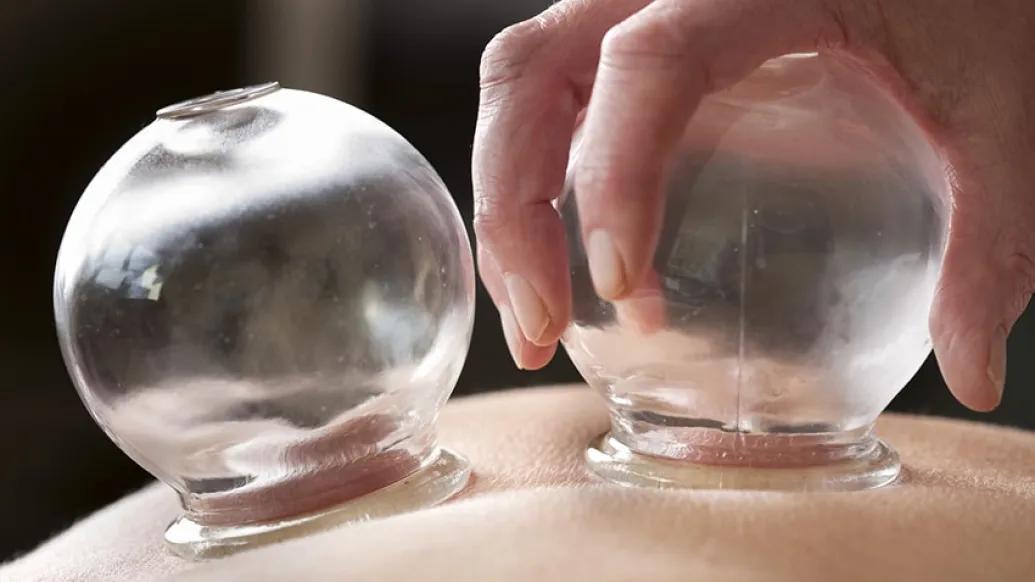
The red and purple circular bruises on several Olympic athletes, including swimmer Michael Phelps, have grabbed attention over the past couple of days. Cupping, or the placement of small glass jars on muscles in the body, leaves behind those bruises. It's supposed to increase circulation and blood flow to that specific area because of the suction effect of the jar.
With the recent use by Olympic athletes, cupping has been thrust into the spotlight and has left many athletes, professional and recreational, wondering: Should I try it?
Corey Snyder, D.P.T., O.C.S, S.C.S, M.T.C., physical therapy manager at the University of Michigan Health System MedSport, discusses the research and effectiveness of this practice below.
Frequently Asked Questions
Where did cupping come from, and why do athletes use it?
Snyder: It has long been used as a therapy in Chinese medicine, but it has more recently found favor in sports medicine as a way to facilitate tissue healing from soft tissue injuries, such a sprain or strain.
Theoretically, the physical suction effect of the cup draws blood flow to the treated area, alters tissue tension/tone and facilitates a "healing" response. Some physical therapists and athletic trainers theorize there can even be a lymphatic draining effect from the cupping that assists with managing swelling from injury.
Athletes are always looking for an edge to be better than their competitors, which is why treatments like acupuncture, cupping and Kinesio taping are often utilized to enhance performance.
Some of those bruises look rough. Is cupping painful?
Snyder: For some athletes or patients, it can be uncomfortable to painful. For other patients or athletes, they might not mind the stimulus. It seems to depend on the particular person and their pain tolerance level.
What kind of research backs up the practice?
Snyder: There has been some limited research on the subject as a whole. For example, one study in 2012 concluded there was evidence that cupping has the potential effect in the treatment of herpes zoster, or shingles, a painful rash that can form on the body. Cupping was used to relieve the pain associated with the rash. But it also stated that further research and trials on cupping's effectiveness is warranted.
So should the average exerciser who has a strain, sprain or pain try it?
Snyder: Anecdotal evidence in case studies does purport its use for common soft tissue problems like plantar fasciitis and IT band syndrome, so it may be worth the effort in some cases. However, there is not a lot of solid research behind its use. I think this is why it hasn't become a fully utilized modality in physical therapy practice.
SEE ALSO: 3 Treatments for Tennis Elbow and Other Types of Tendinopathy
We're hopeful to prove the theoretical evidence pointing towards its ability to increase range of motion by reducing tissue restrictions.
At U-M MedSport, we do not actively use the practice of cupping with patients. However, we do advise patients who come to us open to trying it that it might help, but we don't have that scientific evidence yet to prove its efficacy.
In the scientific and sports medicine community, we don't fully understand what its effects are just yet.

Health Lab
Explore thousands of health news & research stories by visiting the Health Lab homepage for more.
Media Contact

Public Relations
Department of Communication at Michigan Medicine
Stay Informed
Want top health & research news weekly? Sign up for Health Lab’s newsletters today!
Featured News & Stories
Second ACL tear brings star athlete back to trusted surgeon
Torn ACL leads to life changing career direction

Paralyzed from waist down as a child, patient walks across stage at high school graduation

U-M Board of Regents approves construction of Nathan and Catherine Forbes Sports Medicine Institute

A Gift to Benefit All: Bill and Sally Martin’s Visionary Support for Sports Medicine