Predicting — and Preventing — Psychiatric Morbidity After ARDS
Michigan Medicine researchers sought to find out if they can anticipate who will be affected by psychiatric morbidity after surviving acute respiratory distress syndrome.
1:00 PM
Author |
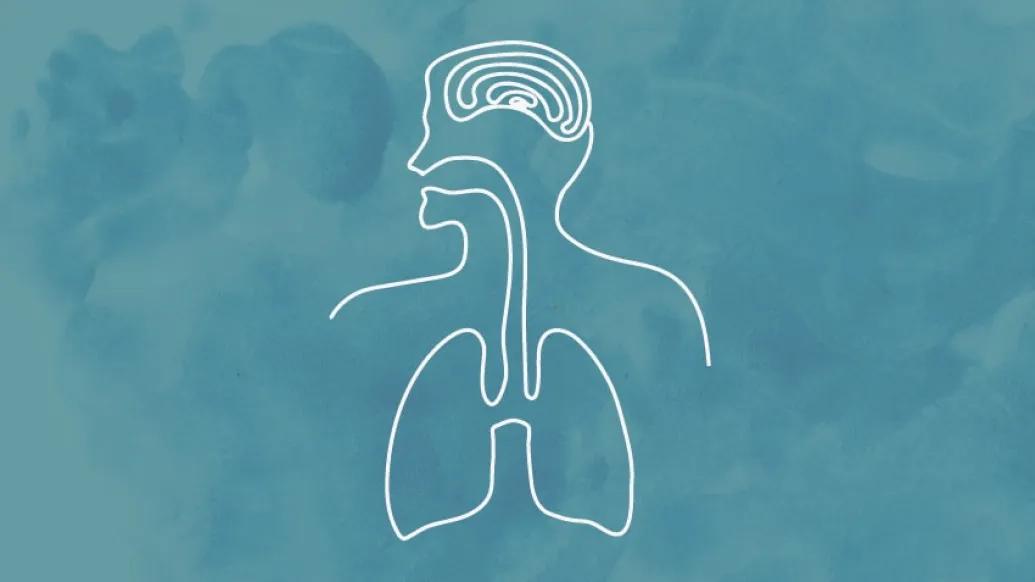
After surviving acute respiratory distress syndrome, a disease in which fluid begins to leak into the lungs of critically ill patients and makes it difficult to breathe, many patients develop mental illness.
MORE FROM THE LAB: Subscribe to our weekly newsletter
"Psychiatric morbidity is a huge problem in patients who have survived ARDS," says Joanna Spencer-Segal, M.D., Ph.D., a clinical lecturer in internal medicine at Michigan Medicine. "In caring for critically ill patients, we're very focused on mortality and working to keep patients alive and hope they can return home from the hospital, but there are illnesses that can occur at home after they leave."
Spencer-Segal is the lead author of a new study, published in Annals of the American Thoracic Society, that examined symptoms of anxiety, depression and post-traumatic stress disorder in long-term survivors of ARDS and any associated changes in cortisol levels in the patients.
"We know that hormones can influence the brain and contribute in a positive or negative way to psychiatric illness," Spencer-Segal says. "A previous study had found that more days of corticosteroid treatments predicted fewer post-traumatic stress disorder symptoms after ARDS."
"We began this study because we wanted to know which patients are more likely to develop psychiatric symptoms based on patient- and illness-specific factors, and whether immune modulatory treatments, such as GM-CSF and corticosteroids, affect the development of these symptoms. We had two important questions: How do we predict who will develop a psychiatric problem, and is there anything we can do to prevent it?"
We had two important questions: How do we predict who will develop a psychiatric problem, and is there anything we can do to prevent it?Joanna Spencer-Segal, M.D., Ph.D.
Questionnaires and measurements
In a previous study, senior author Theodore Standiford, M.D., chief of the Michigan Medicine Division of Pulmonary and Critical Care Medicine, and colleagues enrolled 132 patients who would be given either granulocyte macrophage-colony stimulating factor or a placebo. GM-CSF, a cytokine drug, was administered as an IV infusion.
SEE ALSO: Bacteria in Your Lungs? New Microbiome Study Shows How They Get There
Patients received the drug during a four-hour treatment each day for 14 days while they were in the hospital's intensive care unit. If study participants left the ICU before the 14 days, they received treatment only on the days they were there.
Six months after discharge from the hospital, researchers asked participants to complete three questionnaires during a follow-up appointment. Forty-five percent of the patients completed the surveys: a post-traumatic stress syndrome 10-question inventory, an impact of event scale and a hospital anxiety and depression scale. The researchers also measured each patient's cortisol levels using immunoassay from blood collected during their acute illness.
The previous study hypothesized that GM-CSF would improve ventilator days and mortality in ARDS patients, and in doing so would also improve psychiatric morbidity. The team found that the drug had no effect on ventilator days or mortality.
"In this study, we went back to that psychiatric data to find out whether, despite a neutral effect on ventilator days and mortality, if this cytokine might actually affect psychiatric outcomes anyways," Spencer-Segal says.
Analyzing responses
After analyzing the questionnaires, the team found that 36 percent of patients reported significant psychiatric symptoms on at least one of the measurement scales.
In addition, patients who were administered GM-CSF reported more severe post-traumatic stress and depression symptoms than patients not given the treatment. The team also performed multiple regression analyses and found that younger age, female gender, higher severity of illness, fewer days of corticosteroid treatments and treatment with GM-CSF were all independently associated with more severe psychiatric symptoms on at least one scale.
"Because a large number of critically ill patients receive steroid treatments, this became another factor to analyze in the study," Spencer-Segal says. "We found that GM-CSF tended to worsen symptoms of post-traumatic stress and depression, but that more days of treatment with steroids seemed to be protective, at least from an anxiety standpoint."
Spencer-Segal adds, "This proved to us that so many factors contribute to emotional vulnerability after a major illness. In particular, there are some treatments that might affect a patient's post-traumatic stress later on. We are trying to use results like in this study to make targeted treatments that would protect these patients in the future from psychiatric illness, even if they aren't exhibiting symptoms now."
Moving forward
Spencer-Segal and team hope to build upon their results in future studies.
"We demonstrated that treatment type could influence psychiatric outcomes in ARDS patients," Spencer-Segal says. "This research included some exploratory findings that we are excited about and looking to investigate further in the future."

Health Lab
Explore thousands of health news & research stories by visiting the Health Lab homepage for more.
Media Contact

Public Relations
Department of Communication at Michigan Medicine
Stay Informed
Want top health & research news weekly? Sign up for Health Lab’s newsletters today!
Featured News & Stories

Lung transplant recipient donates lungs to science

Giving Voice to Lived Experience in Dementia Research

How U-M helped bring depression out of the darkness

Small daily activities may help ease dementia caregivers’ stress

5 ways to manage politically induced stress