
New Clinical Trial Accepting Patients, Hopes to Ease Type 1 Diabetes Management
A first-of-its-kind advanced insulin delivery system could help type 1 diabetes patients manage their condition without continuously adjusting insulin doses on their own.
7:00 AM
Author |

Three million.
That's the number of Americans who have type 1 diabetes, with 15,000 new cases diagnosed in both children and adults each year, according to the Juvenile Diabetes Research Foundation.
MORE FROM THE LAB: Subscribe to our weekly newsletter
"Type 1 diabetes is a very serious and challenging disease for those affected," says Rodica Pop-Busui, M.D., Ph.D., professor of internal medicine in the Michigan Medicine Division of Metabolism, Endocrinology and Diabetes. "In spite of important discoveries in patient care and prevention of complications, living daily with type 1 diabetes continues to be a struggle for many patients."
We hope to help patients across all ages with type 1 diabetes reach better glucose control with lower risk for hypoglycemia and better quality of life.Rodica Pop-Busui, M.D., Ph.D.
Type 1 diabetes requires patients to participate in their health management and care, with continuous insulin dose adjustments that can be a daily hardship for many patients with the condition.
To help, a new large, multicenter, nationwide clinical trial aims to make managing the condition easier for patients.
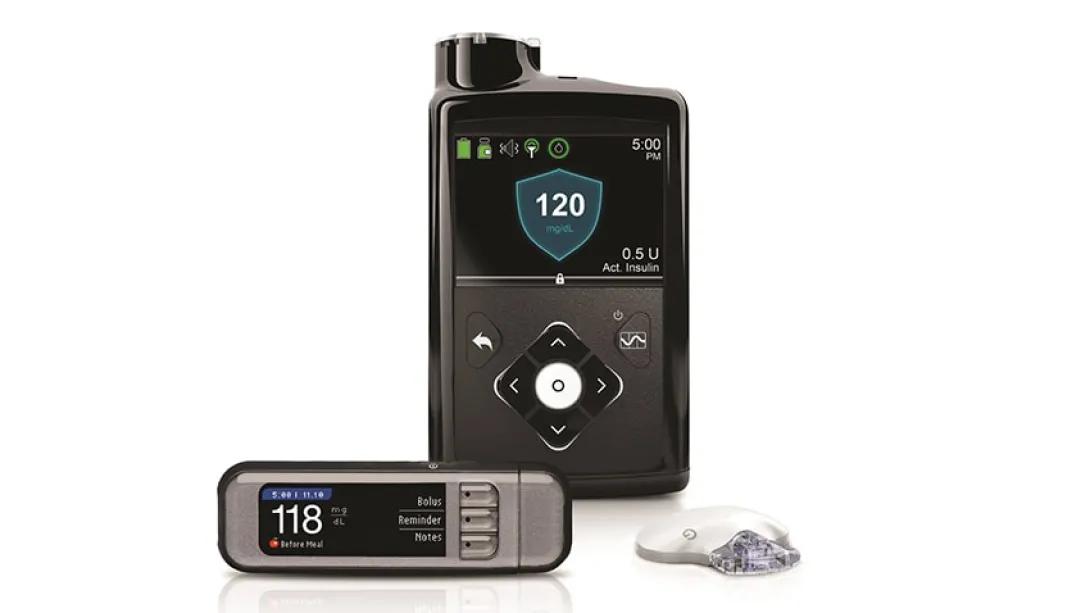
The trial, funded by Medtronic, will be the largest one to date using the world's first hybrid closed-loop system automated insulin delivery device.
"The system monitors blood glucose levels and insulin delivery continuously and adjusts automatically the dose of insulin, helps the patient maintain stable blood sugar levels throughout the day and night and enables personalized and automated delivery of basal insulin," says Pop-Busui, the primary investigator of Michigan Medicine's trial site.
"Thus by acting like an artificial pancreas, it is bypassing many of the patients' frequent insulin dose calculations and alleviating some of the burden associated with daily diabetes management, which can be strenuous and wearing."
Details on the clinical trial
The trial at Michigan Medicine is a team-based, collaborative effort between the adult and pediatric endocrinology clinics.
SEE ALSO: Sugar Shock: Insulin Costs Tripled in 10 Years
Patients ages 2 to 80 will be enrolled in the trial and will have their type 1 diabetes monitored at home for 12 months using Medtronic's MiniMed 670G system. The device will monitor blood glucose and glycemic control. Patients will need to enter carbohydrates they consume at mealtimes, accept bolus correction recommendations and periodically calibrate the sensor.
Up to 1,500 patients can enroll in the new study, regardless of their previous diabetes management and treatment plans. The investigators hope to use data collected in the trial to demonstrate the long-term safety and effectiveness of the hybrid closed-loop system in daily type 1 diabetes management.
"We hope to help patients across all ages with type 1 diabetes reach better glucose control with lower risk for hypoglycemia and better quality of life," Pop-Busui says. "We are working together, adult and pediatric endocrinologist physicians and nurse investigators, in a concerted effort to fight diabetes and its complications."
The trial is currently enrolling. To find more information and see if you may be a candidate, visit ClinicalTrials.gov.

Health Lab
Explore thousands of health news & research stories by visiting the Health Lab homepage for more.
Media Contact

Public Relations
Department of Communication at Michigan Medicine
Stay Informed
Want top health & research news weekly? Sign up for Health Lab’s newsletters today!
Featured News & Stories

Type 1 diabetes does not mean sitting out for 10 year old

Patient with rare form of diabetes finds answers in genetic testing, clinical trials

Treatment with norrin helped maintain healthy blood vessels, preserved vision in diabetic rats

Could a diabetes medication be the next wonder drug?

Gene editing is coming for common diseases. Are we ready?

