
Noah Fromson
Public Relations Representative
Fromson joined Michigan Medicine in March 2021. He covers the neurosciences and cardiovascular medicine. He spent three years as a television reporter in West Michigan and is passionate about multimedia storytelling. Contact: [email protected] Twitter: @noahfromson


Health Lab
Risk of clots, stroke from incorrect blood thinner dosing reduced using online dashboard
Doctors and pharmacists treating people with blood thinners can now reduce the rate of inappropriate dosing — as well as blood clots and strokes that can result from it — using an electronic patient management system.

Health Lab
Black stroke patients arrive later to hospitals, EMS less likely to notify
Research found that it took approximately 28 minutes longer for a Black patient to be brought in for emergency care after displaying symptoms of a stroke.

Health Lab
Mental health and chronic diabetes complications strongly linked both ways, study finds
Having a mental health condition also increases the risk of developing chronic complications of diabetes, according to new research.

Health Lab
ALS diagnosis and survival linked to metals in blood, urine
People with higher levels of metals found in their blood and urine may be more likely to be diagnosed with — and die from — amyotrophic lateral sclerosis, or ALS, a University of Michigan-led study suggests.
Health Lab
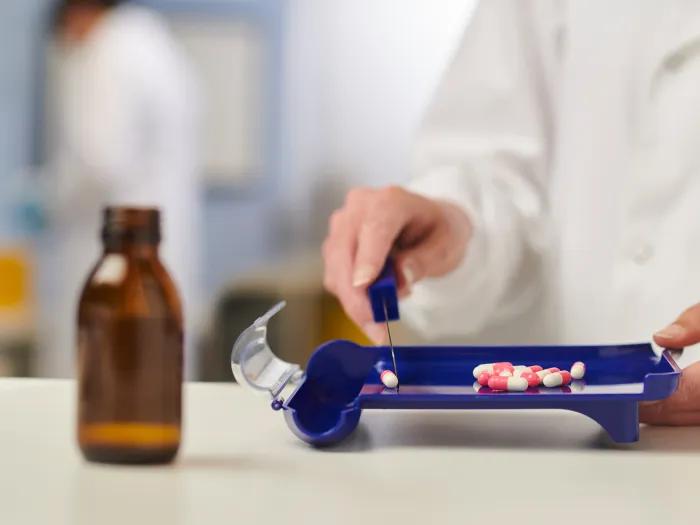
Most blood thinner dosing problems happen after initial prescription
More than two-thirds of those people take a type of blood thinner called a direct oral anticoagulant. These DOACs, such as rivaroxaban (brand name Xarelto) and apixaban (brand name Eliquis), are under- or over-prescribed in up to one in eight patents. These prescribing issues can have life-threatening consequences, and they most often occur after a provider writes the initial prescription, according to a study led by Michigan Medicine.

Health Lab
Physical activity improves early with customized text messages in patients with heart problems
A study found personalized text messages effectively promoted increased physical activity for patients after significant heart events — such as a heart attack or surgery — but those effects later diminished.
Health Lab
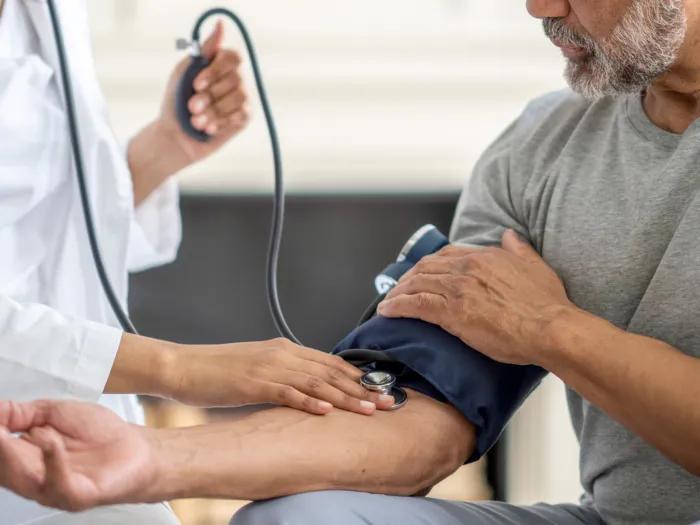
Blood pressure high for years? Beware of stroke risk
A study led by Michigan Medicine narrows in on the cumulative effects of years of high systolic blood pressure — the top number on the blood pressure reading and how hard the heart pumps blood to the arteries — finding that a higher average reading during adulthood is linked with a greater risk for the two most common types of stroke.

Health Lab
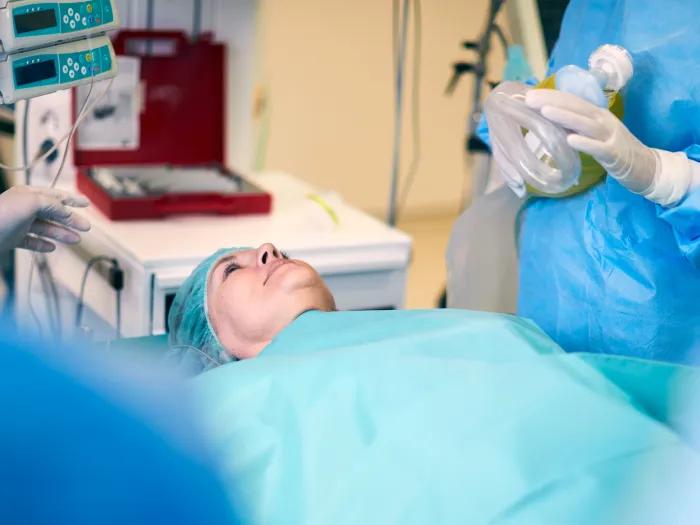
Older women more likely to receive heart surgery, die at low quality hospitals
Women over the age of 65 who require complex heart surgery are more likely than men to receive care at low quality hospitals — where they also die in greater numbers following the procedure, a Michigan Medicine study finds.
Health Lab
Female heart patients less likely to have additional problems fixed during surgery
Two studies led by Michigan Medicine find that female patients who undergo heart surgery are less likely to have secondary ailments corrected during a procedure — despite guidelines that indicate they should.
Health Lab
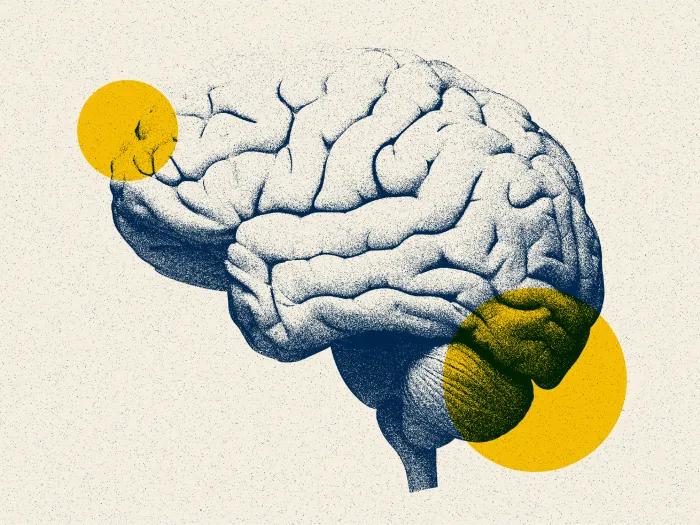
Children from disadvantaged communities may die sooner from cancerous brain tumors
Children with inoperable brain tumors may die sooner if they live in areas with lower average income and education levels, a Michigan Medicine-led study finds.
Health Lab
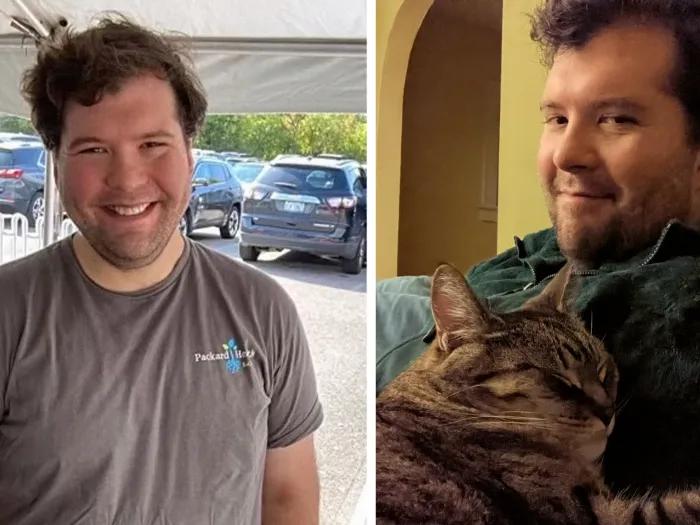
Timely response leads to complete recovery for young stroke survivor
For a Michigan man in his early 30s who never expected to have a stroke so young, the quick action of others allowed him to fully recover with no need for rehabilitation.

Health Lab
Fewer than 1 in 4 patients receive dietary counseling after a heart attack
Although diet is the leading contributor to premature death from heart disease in the United States, fewer than one-quarter of people who undergo major heart events receive dietary counseling in the aftermath, a study finds.
Health Lab
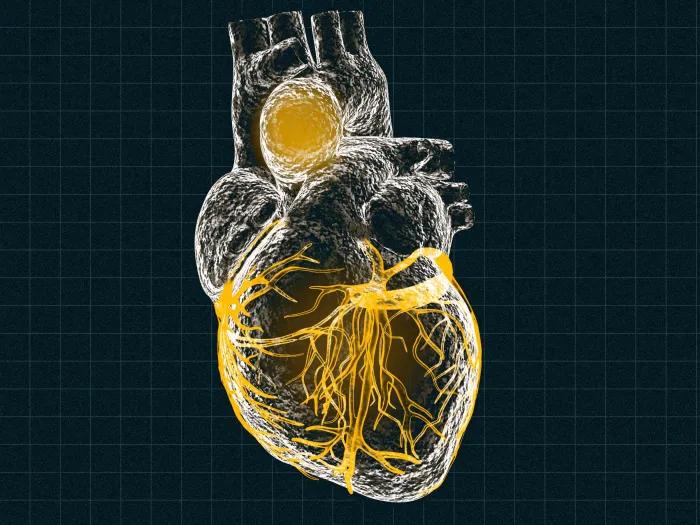
Researchers create human aortic aneurysm model to advance disease understanding, treatment testing
Using human cells in an animal body, a team of researchers has developed a functional model of thoracic aortic aneurysm, creating opportunities for more effective understanding of disease development and treatments for the potentially fatal condition.
Health Lab
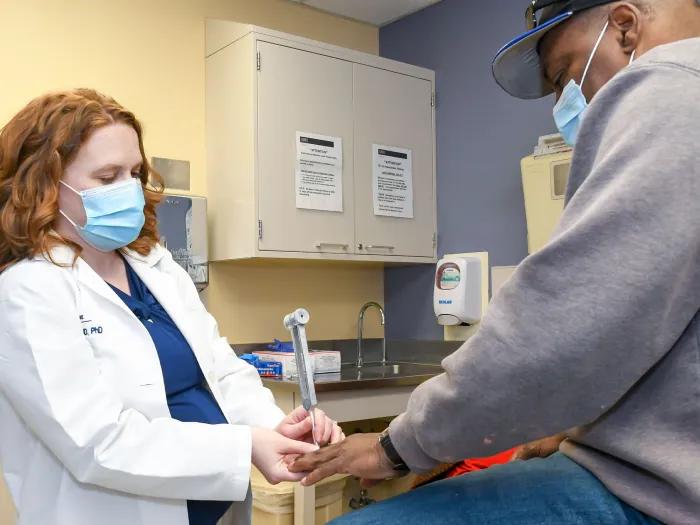
Neuropathy common, and mostly undiagnosed, among patients in this Michigan city
A research team, led by Michigan Medicine and in partnership with Hurley Medical Center, finds that nearly three-quarters of patients at a clinic in Flint, Mich., a community that is predominantly Black and socioeconomically disadvantaged, had neuropathy — of which 75% was undiagnosed.
Health Lab
Two heart transplants, one message for organ donation
A patient who has received two heart transplants years apart shares his story and the importance of advocating for organ donation.
