
Noah Fromson
Public Relations Representative
Fromson joined Michigan Medicine in March 2021. He covers the neurosciences and cardiovascular medicine. He spent three years as a television reporter in West Michigan and is passionate about multimedia storytelling. Contact: [email protected] Twitter: @noahfromson

Health Lab
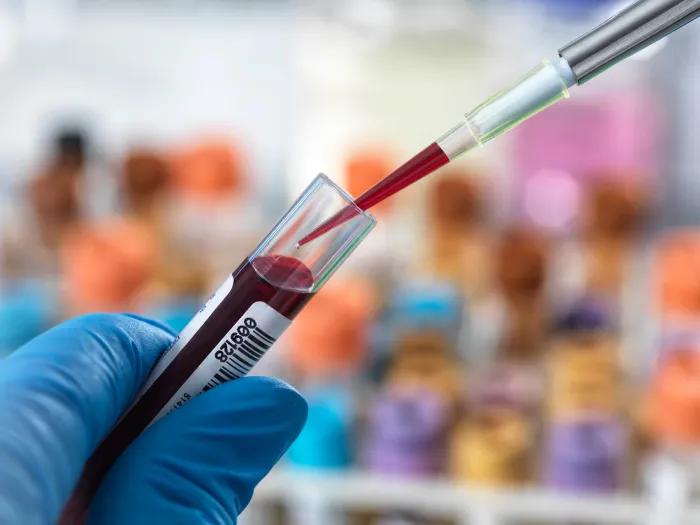
Researchers develop models to help diagnose ALS earlier through blood biomarkers
New machine learning models by Michigan Medicine may help diagnose amyotrophic lateral sclerosis, or ALS, earlier on through a blood sample.

Health Lab
Chronic blood clots in woman’s lungs treated without surgery
A woman who had difficulty breathing daily received a series of minimally invasive procedures to remove clots in the vessels that supply blood to her lungs, allowing her to breathe free again.

Health Lab
Metformin may reduce Afib after ablation in adults with obesity
Taking the diabetes medication metformin may reduce episodes of atrial fibrillation, or Afib, in people with obesity. Preliminary findings were presented as late-breaking science at the 2025 American Heart Association Scientific Sessions.

News Release
University of Michigan Health will host public open house for new hospital: the D. Dan and Betty Kahn Health Care Pavilion
University of Michigan Health is hosting a public open house to celebrate its newest hospital, the D. Dan and Betty Kahn Health Care Pavilion, on Wednesday, Nov. 12.

Health Lab
Women missing cardiac rehabilitation, despite key benefits
Cardiac rehabilitation can significantly improve short and long term recovery, but attendance remains poor — with even fewer women utilizing the programs available says an American Heart Association scientific statement on cardiac rehabilitation in women.

Health Lab
Michigan Medicine meets Michigan nature through art at D. Dan and Betty Kahn Health Care Pavilion
Michigan Medicine meets Michigan nature through art at D. Dan and Betty Kahn Health Care Pavilion.
Health Lab
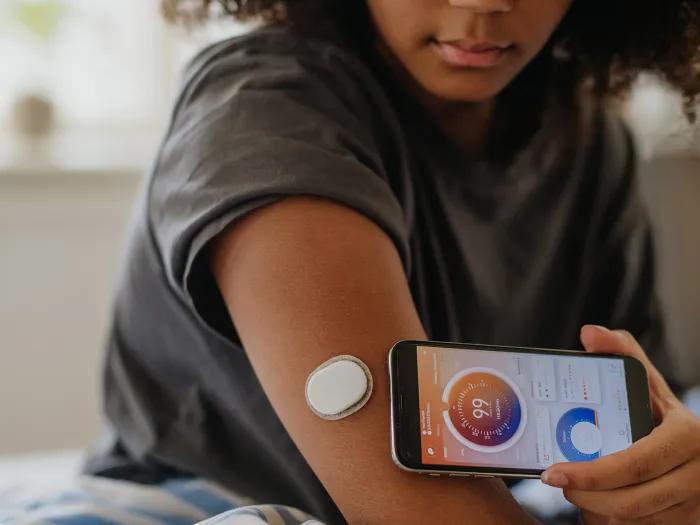
Diabetic teens with high blood sugar have higher neuropathy risk in adulthood
Poor blood sugar control in adolescence increases the risk of painful future complications for people with type 1 diabetes, research suggests. Participants with the greatest increase in HbA1c levels from childhood to adolescence not only retained higher blood sugar levels in adulthood, but they also had a greater risk for neuropathy.
Health Lab
Biologic drug reduces symptoms, hospitalization for severe pulmonary hypertension after diagnosis
Prescribing the biologic drug sotatercept alongside standard treatment for the most severe form of pulmonary hypertension significantly reduces the likelihood of worsening disease when added within the first year after diagnosis, according to a study published in the New England Journal of Medicine by Michigan Medicine.

Health Lab
Telestroke patients more likely to receive treatment, but with greater delays
Stroke patients evaluated using telemedicine (telestroke) have higher odds of receiving essential treatment, yet it takes longer for them to be treated — potentially limiting the benefits, finds a Michigan Medicine.
Health Lab
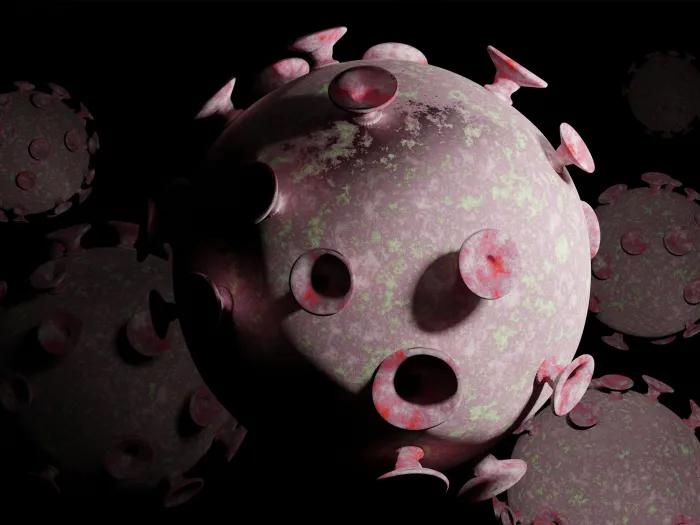
How virus-like proteins shape a cell’s stress response
Researchers from University of Michigan have identified pivotal roles for a pair of virus-like proteins and their effect on how cells self-regulate and respond to stress. These proteins are implicated in several cancers and neurodegenerative diseases

News Release
25 milestones for 25 years of the University of Michigan Health Frankel Cardiovascular Center
For 25 years, faculty and staff at the Frankel Cardiovascular Center have made significant achievements in clinical care, research, innovation and training. To celebrate the Center’s jubilee, we are sharing 25 milestones in cardiovascular care.

Health Lab
High triglycerides drive life threatening aortic aneurysms, study in mice finds
High levels of triglycerides, the most common type of fat in the body and the foods you eat, directly cause abdominal aortic aneurysms, according to a study in mice. A drug candidate lowered triglyceride levels by up to 50% and prevented aneurysm formation, showing promise as a treatment avenue.

Health Lab
Nearly 1 in 6 older adults take aspirin despite no history of heart disease
Around 1 in 6 older adults take aspirin as their primary method of preventing cardiovascular disease, despite stricter guidelines. For some patients, the benefit of aspirin may not outweigh the risk of bleeding.

Health Lab
Ischemic stroke: what’s the right treatment?
Most strokes are ischemic, meaning blood flow to part of the brain is blocked by a clot. Here, a neurologist shares treatment options and how providers decide when time is short.

Health Lab
Living near harmful algal blooms reduces life expectancy with ALS
Living close to cyanobacterial harmful algal blooms — which are present nationwide but are more common in coastal and Great Lake states — heightens the rate of dying from amyotrophic lateral sclerosis, or ALS, a study suggests.
