
Noah Fromson
Public Relations Representative
Fromson joined Michigan Medicine in March 2021. He covers the neurosciences and cardiovascular medicine. He spent three years as a television reporter in West Michigan and is passionate about multimedia storytelling. Contact: [email protected] Twitter: @noahfromson


Health Lab
U-M Health leaders: COVID-19 surge keeping us from delivering lifesaving care, people dying at home
U-M Health canceling surgeries, reducing transfers due to high volume of COVID cases.

Health Lab
Youth violence prevention program finds success in emergency room, primary care settings
A new youth violence prevention program focuses on reducing teen violence, including gun violence, by intervening in primary care and emergency department settings.
News Release
University of Michigan Health emergency department to deliver hygiene kits to Washtenaw County homeless shelters
During the latest surge of COVID-19 cases, emergency departments across the state face crowding and longer wait times. While they remain dedicated to serving patients, faculty and staff at the University of Michigan Health, Michigan Medicine, Department of Emergency Medicine are donating 300 personal hygiene kits to homeless shelters in Washtenaw County.

Health Lab
Refinement of genetic signals for psoriasis by combining European-origin and South Asian populations
Researchers report progress towards understanding which genes play the biggest roles in psoriasis.
Health Lab
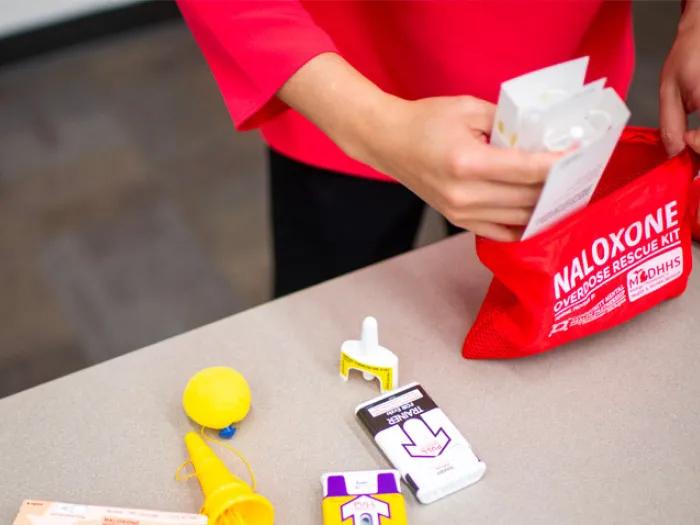
Less than 10% of opioid overdose patients are prescribed potentially lifesaving medications after emergency treatment
Prescriptions written in the ER or at follow-up clinic visits could rescue patients during future overdoses and treat opioid addiction.

Health Lab
Rural ERs, despite closure threats, save lives at similar rate as urban hospitals
Rural hospital closures mean that emergency care is harder to access for rural communities. A new study found rural hospitals do not have a difference in mortality rate in both emergency and health care settings.
News Release
University of Michigan Health responds to recent COVID-19 surge
In recent days, University of Michigan Health, part of Michigan Medicine, has seen a significant increase in COVID-19 activity, as cases and hospitalizations continue to rise rapidly across the state.
Health Lab
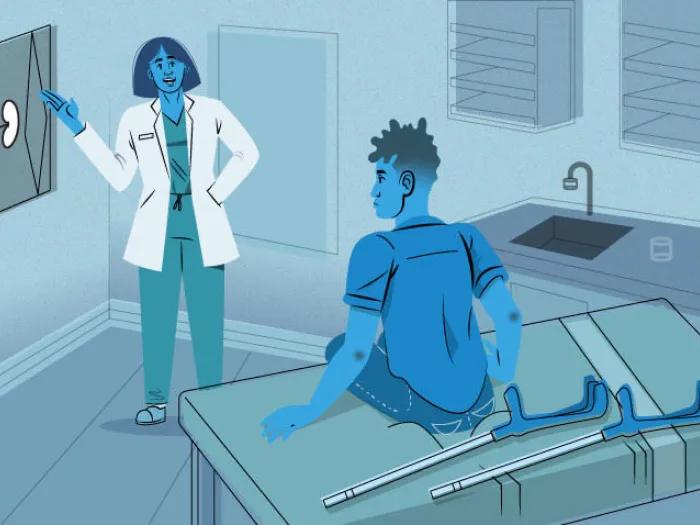
Kidney disease is a problem for cerebral palsy patients. Why are doctors missing it?
Researchers say new measures of kidney function are needed for people with the condition, which is caused by damage to, or malformation of, the developing brain.

Health Lab
Pregnancy stretch marks cause stress and emotional burden, study finds
Participants said the lesions caused similar or more distress than skin conditions like acne or psoriasis.
Health Lab
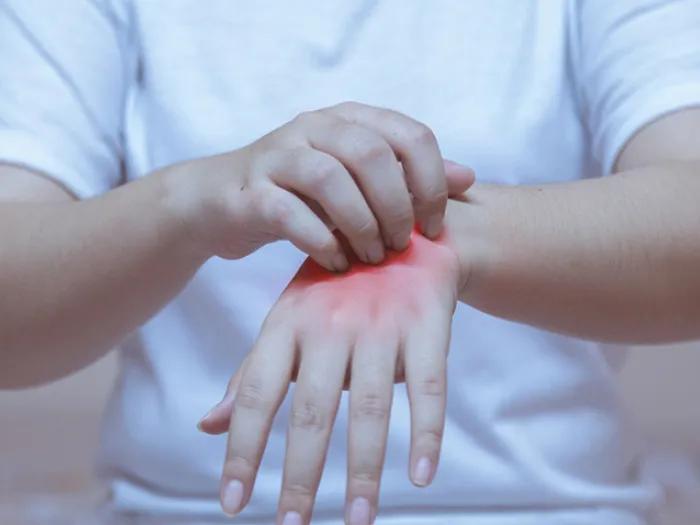
For psoriasis, molecular signature in healthy-appearing skin may be best predictor of response to anti-TNF treatment
Patients with psoriasis may hold clues in their genetic profile to predicting anti-TNF treatment response, furthering the application of precision medicine.
Health Lab
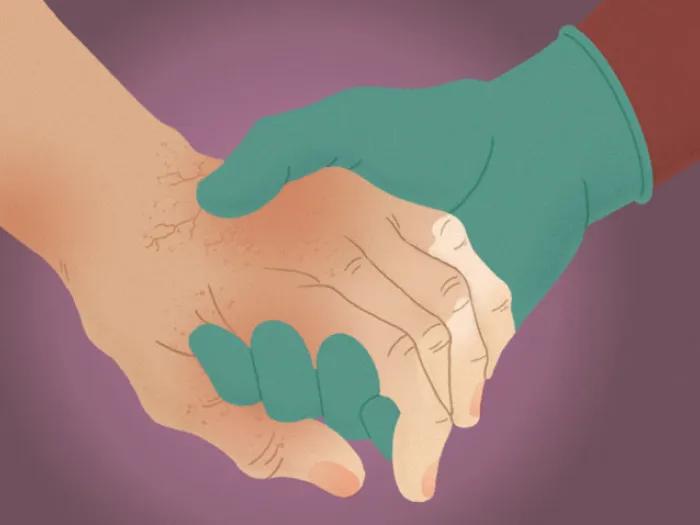
Patients with rare scleroderma have deadlier organ damage, despite getting standard treatment
Researchers say it’s a sign that more targeted therapies are needed for the vulnerable patient population.

Health Lab
Resident stories: Challenges and lessons learned caring for diverse, vulnerable populations in the ER
Centering health equity and culturally competent care are essential steps to fixing health disparities and dismantling systemic racism within the health care system. A new paper featuring emergency department resident stories shines a light on where gap.

Health Lab
Pediatric injury prevention online course looks to address substantial gap in training
Injury prevention for kids and teens has only become more important during the COVID-19 pandemic. A free online course from experts has made this crucial information more accessible.
Health Lab
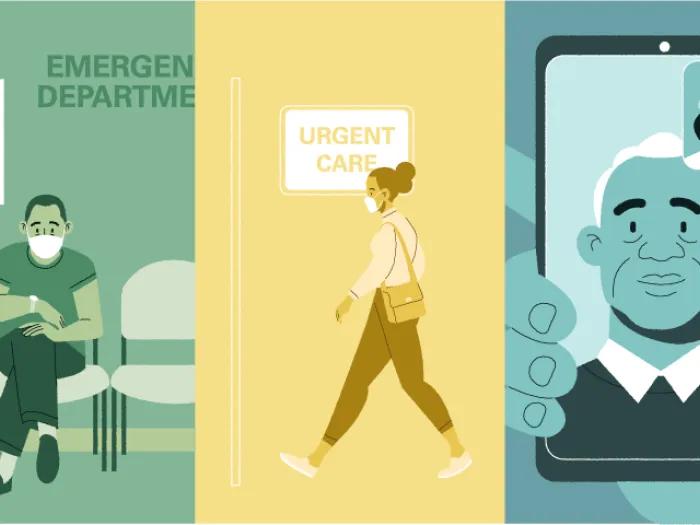
Long wait at the emergency room? What to consider before heading in
Emergency rooms across the country are stressed with COVID-19 and other patients. Follow this expert guide for other options for accessing health care rapidly when you need it.
Health Lab
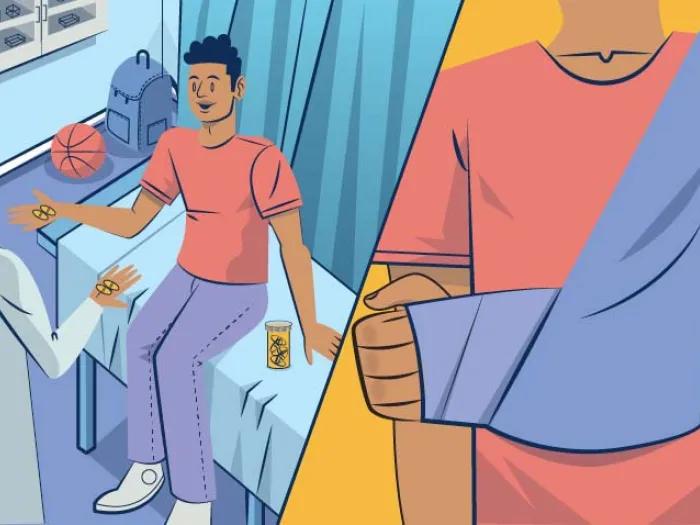
Common anti-seizure medication associated with elevated fracture risk in kids with epilepsy
The findings will help physicians determine treatment options for children and young teens.
