
Nicole Fawcett
Director of Communications, University of Michigan Rogel Cancer
Fawcett leads a team of communicators who produce targeted, innovative communication for the Rogel Cancer Center’s research and clinical enterprises. Prior to Michigan Medicine, Fawcett was a reporter at the Detroit News and editor for a web-based community for people with disabilities.


Health Lab
Giving Pancreatic Cancer Patients More Shots on Goal
National initiative seeks to improve pancreatic cancer clinical trials and pancreatic cancer treatment. Learn more about clinical trials for pancreatic cancer.

Health Lab
African-American Men More Likely to Develop Rarer Type of Esophageal Cancer
Understanding who has the highest risk of rare cancers, including squamous cell esophageal cancer, suggests a potential for targeted screening recommendations.
Health Lab
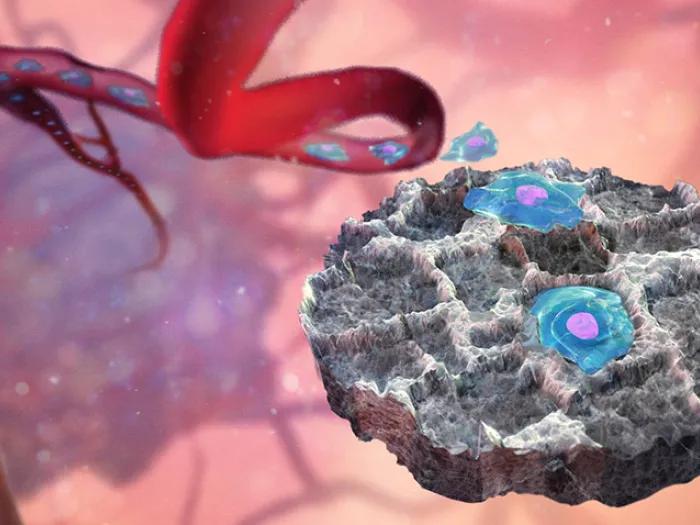
How a Small Implanted Device Could Help Limit Metastatic Breast Cancer
Learn about a small implanted device capable of detecting and treating metastatic breast cancer earlier and how this technology could improve survival rates.

Health Lab
When Prostate Cancer Spreads, Life Doesn’t Have to Stop
Despite having stage 4 prostate cancer, 74 year old Woods Brown remains active by fishing and planting. Learn more about Woods and living with prostate cancer.

Health Lab
Pancreatic Cancer Uses Alternative Fuel to Grow in a Hostile Environment
A metabolic cross-talk pathway between cancer and noncancer cells in pancreatic tumors delivers an alternative nutrient to the cancer cells, facilitating tumor growth.

Health Lab
How Genomic Sequencing May Be Widening Racial Disparities in Cancer Care
Few tumor samples from minorities means research is likely missing key mutations that fuel cancer in different racial or ethnic groups.

Health Lab
When Breast Cancer Patients Use Social Media, They May Be More Satisfied with Treatment Decisions
University of Michigan researchers find that breast cancer patients who are active on social media may be more satisfied with treatment decisions. Here's why.

Health Lab
Imaging After Thyroid Cancer Treatment May Not Bolster Outcomes
University of Michigan researchers found that despite rapid growth in post-treatment imaging of thyroid cancer, survival rates have not improved. Find out why.

Health Lab
All Men with Metastatic Prostate Cancer Should Have Genetic Testing
Researchers found inherited genetic mutations were more common in men with metastatic prostate cancer. Here are two important implications of their findings.

Health Lab
Acupressure Reduces Fatigue in Breast Cancer Survivors
Read the findings of a new study suggesting that acupressure offers a low-cost way for breast cancer patients to manage cancer related fatigue and sleep loss.
Health Lab
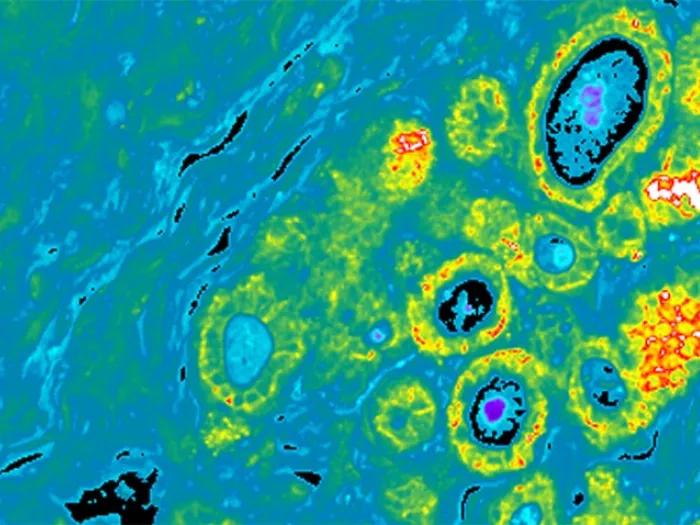
Determining When Early Breast Cancer Is Aggressive — and When It’s Not
Learn how biomarker ratio imaging microscopy (BRIM), a new technology developed at University of Michigan, determines the aggressiveness of stage 0 breast cancer.
Health Lab
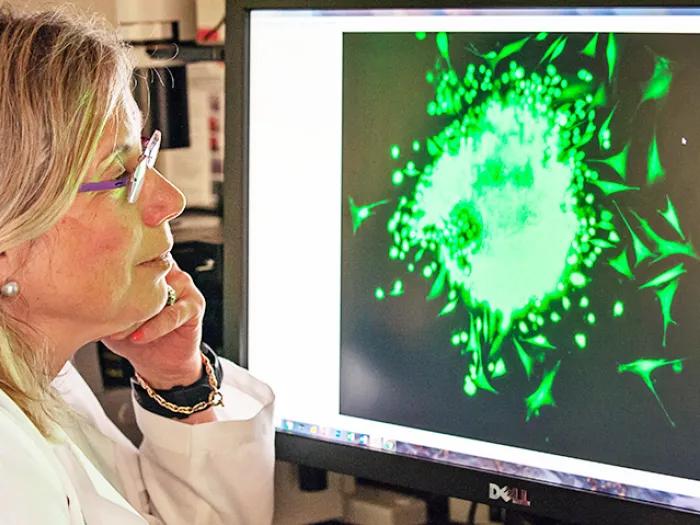
How Very Aggressive Cancer Cells Use Energy to Grow
Learn how RhoC gene contributes to the growth of aggressive cancer cells and find out how future cancer treatments may exploit this molecular vulnerability.

Health Lab
Expanding Targeted Therapies to Rare Eye, Orbit Cancer
University of Michigan researchers are identifying opportunities to treat rare eye cancers with new targeted therapies being used for other types of cancer.
Health Lab
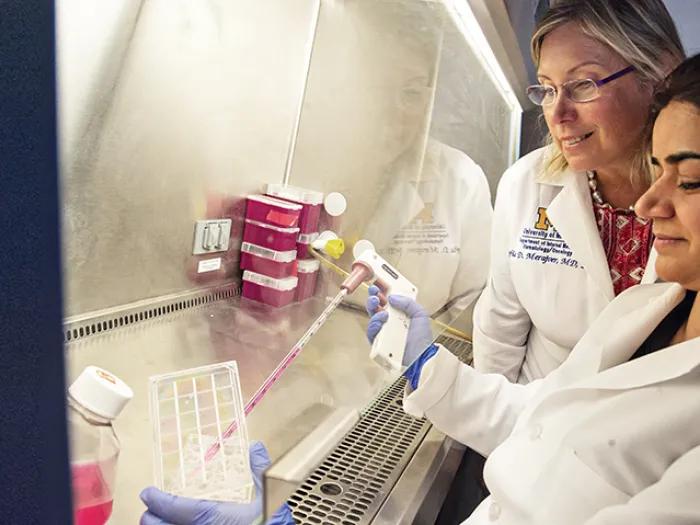
New Compound Shows Potential for Triple-Negative Breast Cancer
Researchers at the University of Michigan have identified a promising new drug compound, UM-164, for treating triple-negative breast cancer.
Health Lab
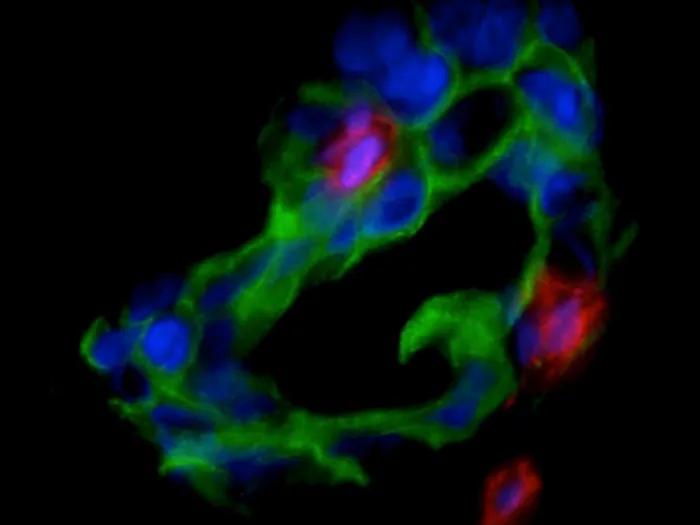
Immune Cells Help Reverse Chemo Resistance in Ovarian Cancer
Research suggests immune T cells help reverse chemotherapy resistance in ovarian cancer. See how immunotherapy drugs could play an important role in treatment.
